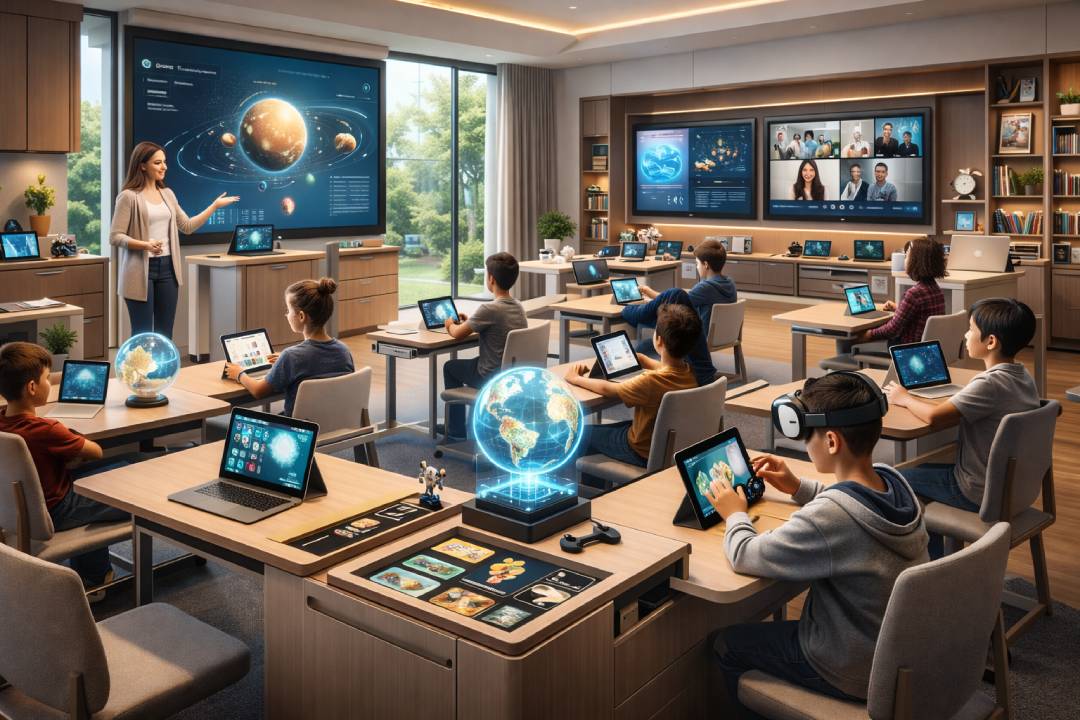
Round Rock Journal – Flexible learning with technology is revolutionizing the way we approach education. By integrating digital tools into the learning process, students are no longer bound by traditional classroom settings. With the ability to access course materials, participate in discussions, and track progress remotely, education has become more accessible and tailored to individual needs. This shift towards flexibility empowers learners to take control of their education, offering the freedom to study at their own pace, anytime and anywhere. As technology continues to advance, it’s clear that flexible learning is the key to shaping the future of education.
“Read Also: Building Unshakeable Resilience: The Motivation Guide You Need“
What is Flexible Learning?
Flexible learning refers to an educational approach that allows students to learn in ways that suit their schedule, location, and preferred learning style. Unlike traditional classroom settings, flexible learning often includes online courses, hybrid models, and self-paced modules. This flexibility empowers students to take control of their education and fit learning into their busy lives.
The Role of Technology in Flexible Learning
Technology is the backbone of flexible learning. Tools such as Learning Management Systems (LMS), video conferencing, and digital textbooks provide students with the resources they need to learn effectively. These platforms enable interaction between teachers and students, access to course materials, and the ability to track progress—all from the comfort of home or on-the-go.
Benefits of Flexible Learning with Technology
One of the key benefits of flexible learning is its ability to cater to diverse learning styles. Whether students prefer visual aids, auditory learning, or hands-on experiences, technology offers a wide array of resources to meet their needs. Additionally, the flexibility of learning anytime and anywhere allows for better work-life balance, which is particularly beneficial for adult learners or those with other commitments.
Personalized Learning Paths
Technology allows for personalized learning paths, enabling students to focus on areas where they need the most improvement. Adaptive learning platforms, powered by artificial intelligence, can assess a student’s progress and tailor lessons accordingly. This ensures that students are constantly challenged at the right level, enhancing their learning experience and outcomes.
The Future of Education: Blended Learning Models
The future of education is likely to be a combination of online and in-person learning, known as blended learning. This model gives students the flexibility to learn at their own pace while still having access to face-to-face interactions with instructors. As technology continues to evolve, blended learning will become more sophisticated, offering even greater flexibility and customization.
“Read Also: Francesco Bagnaia Only Wants to Join a Factory Tea“
Overcoming Challenges in Flexible Learning
Despite its many advantages, flexible learning comes with its own set of challenges. One of the biggest hurdles is the lack of discipline that some students face when learning independently. However, with the right support systems, such as time management tools, virtual study groups, and clear learning objectives, students can overcome these obstacles and thrive in a flexible learning environment.
The Impact on Traditional Education Systems
Flexible learning with technology is reshaping traditional education systems by offering alternatives to the conventional classroom setting. Schools and universities are increasingly adopting online courses, hybrid models, and digital tools to enhance their offerings. This shift not only broadens access to education but also encourages innovation in teaching methods, making learning more engaging and relevant.
Embracing the Future of Education
In conclusion, flexible learning with technology is a game-changer for modern education. It allows for more personalized, accessible, and adaptable learning experiences. As technology continues to advance, we can expect even more opportunities for students to learn in ways that fit their individual needs, ultimately shaping the future of education for generations to come.