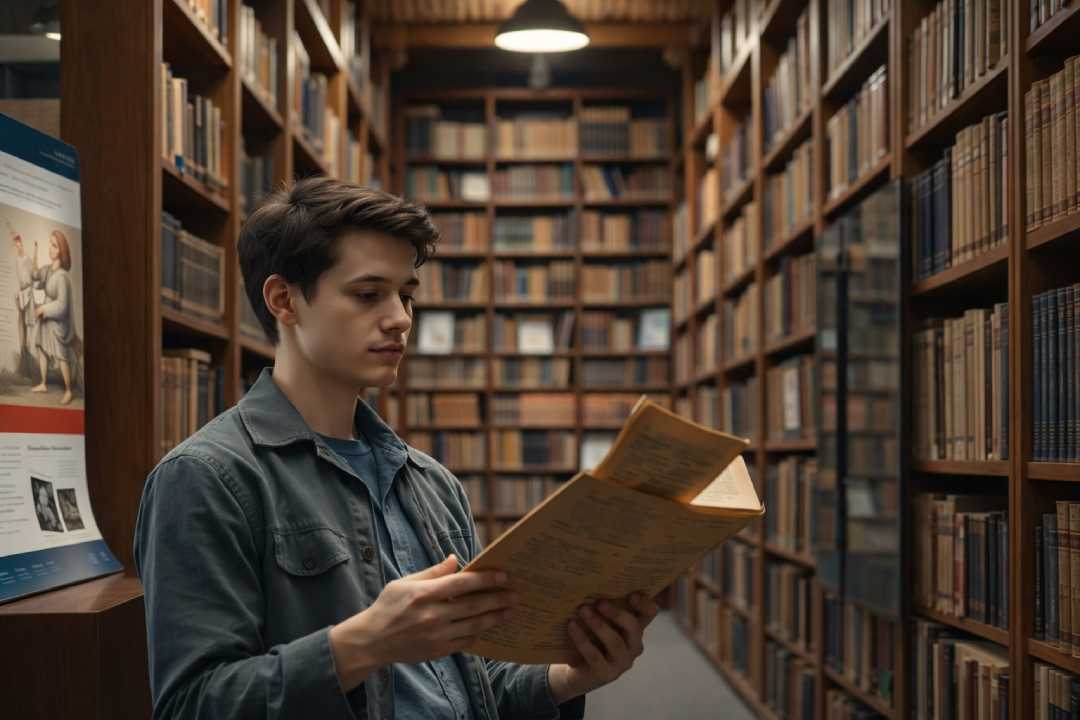
Round Rock Journal – Learning history does not always have to feel heavy or overwhelming. In fact, Learn History through storytelling has become one of the most engaging methods in modern education. Instead of memorizing rigid timelines and complex facts, readers are invited to experience the emotions, struggles, and triumphs of people from the past. As a result, history transforms into something alive and relatable. From my perspective, this approach creates a deeper connection between the reader and the subject. Moreover, it helps build curiosity, which is essential for long-term learning. When history feels like a story rather than a lesson, it naturally becomes more enjoyable and easier to understand.
“Read Also: How Yaxel Lendeborg Honors His Mother’s Fight Through Basketball and Life“
Why Storytelling Makes History More Engaging
First of all, storytelling aligns with how humans naturally process information. People tend to remember stories far better than isolated facts. Therefore, when historical events are presented as narratives, they become easier to follow and retain. For example, a battle described through the eyes of a soldier feels more vivid than a list of dates. Additionally, storytelling adds context, which helps readers understand why events happened, not just when. In my opinion, this method reduces boredom and increases emotional involvement. As a result, learners stay engaged for longer periods. Consequently, storytelling has become a powerful tool in both formal education and self-learning environments.
Emotional Connection Enhances Memory Retention
Interestingly, emotions play a key role in memory formation. When a story evokes feelings such as empathy, excitement, or even sadness, it leaves a lasting impression. Therefore, learning history through inspirational stories can significantly improve retention. For instance, reading about personal sacrifices during historical struggles creates a stronger impact than simply reading statistics. Moreover, emotional engagement makes the learning process feel meaningful. From my experience, people often remember how a story made them feel long after they forget specific details. Consequently, emotional storytelling becomes an effective bridge between knowledge and memory.
Historical Figures as Sources of Inspiration
Another important aspect of storytelling in history is the focus on individuals. Historical figures are not just names in textbooks; they are people with dreams, fears, and challenges. By exploring their journeys, readers gain insight into human resilience and determination. For example, many inspirational stories highlight how ordinary individuals achieved extraordinary outcomes. Furthermore, these narratives often provide valuable life lessons that remain relevant today. Personally, I believe that learning about real-life struggles can motivate readers to overcome their own challenges. Therefore, history becomes not only educational but also empowering.
Connecting Past Events to Modern Life
At the same time, storytelling helps bridge the gap between past and present. Many historical events have shaped the world we live in today. However, without context, these connections can be difficult to see. By presenting history as a series of interconnected stories, readers can better understand its relevance. For instance, economic trends, cultural shifts, and political decisions often have roots in historical events. Moreover, recognizing these patterns allows people to make more informed decisions in the present. In my view, this practical relevance is what makes history truly valuable. Consequently, storytelling turns history into a tool for understanding the modern world.
The Role of Modern Media in Learning History
In recent years, modern media has played a significant role in making history more accessible. Platforms such as films, podcasts, and digital articles now present historical stories in creative ways. As a result, learning history is no longer limited to textbooks. Instead, people can explore the past through multiple formats that suit their preferences. Additionally, visual and audio elements enhance engagement and comprehension. From my observation, younger audiences are especially drawn to these formats because they feel more interactive. Therefore, integrating storytelling with modern media creates a more dynamic learning experience.
“Read Also: Pain in Love Is Not the End, But the Beginning of Maturity“
Balancing Accuracy with Simplicity
However, while storytelling makes history more engaging, it also presents certain challenges. Simplifying complex events can sometimes lead to the loss of important details. Therefore, it is essential to maintain a balance between clarity and accuracy. Writers and educators must ensure that the core facts remain intact while presenting them in an accessible way. In my opinion, credibility should always come first. Moreover, well-researched storytelling builds trust with the audience. Consequently, combining accuracy with engaging narratives creates content that is both informative and reliable.
Building Curiosity Through Narrative Learning
One of the most valuable outcomes of storytelling in history is the development of curiosity. When readers become emotionally invested in a story, they naturally want to learn more. This curiosity drives independent exploration and deeper understanding. For example, a single inspiring story can lead someone to research an entire historical period. Additionally, curiosity encourages critical thinking, which is essential for meaningful learning. From my perspective, sparking curiosity is more important than simply delivering information. Therefore, storytelling serves as a gateway to lifelong learning.
Why This Approach Works for All Ages
Finally, learning history through inspirational stories is effective for people of all ages. Children, for instance, benefit from simplified narratives that make history easy to grasp. Meanwhile, adults can appreciate deeper insights and connections within the same stories. Furthermore, storytelling adapts easily to different learning styles, whether visual, auditory, or textual. In my experience, this flexibility makes it a universal approach to education. As a result, history becomes more inclusive and accessible. Ultimately, when people enjoy the process of learning, they are more likely to continue exploring new knowledge.