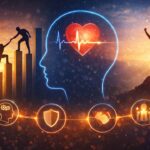
Round Rock Journal – Mental resilience in 2026 is more important than ever before. As the world continues to face rapid changes and unforeseen challenges, the ability to bounce back from adversity will determine success and well-being. In today’s fast-paced digital age, mental resilience is not just a trait but a skill that can be developed. Whether it’s personal setbacks, career struggles, or the stresses of everyday life, being mentally resilient allows us to navigate through difficulties with strength and perseverance. But how exactly can we cultivate this unshakeable strength? The answer lies in understanding and developing key aspects of mental resilience.
“Read Also: Nationwide Anti-ICE Protests Erupt as“
The Importance of Mental Resilience in 2026
As we move into 2026, mental resilience has never been more critical. The fast-paced digital world, combined with constant change, has made it increasingly difficult to maintain a stable state of mind. Yet, resilience—the ability to bounce back from setbacks—is an essential skill that everyone can develop. Building mental strength isn’t just about surviving challenges; it’s about thriving in the face of adversity. As mental health continues to take center stage, the importance of fostering resilience in everyday life becomes evident.
In 2026, the modern world demands more than just adaptability. We must become mentally robust, capable of handling the constant demands of life. Whether it’s dealing with personal loss, career challenges, or the everyday stresses of a hyper-connected world, mental resilience is what will ultimately determine our success and well-being. But how do we build this unshakeable strength?
The Foundation of Mental Resilience: Self-Awareness
One of the key pillars of mental resilience is self-awareness. Knowing your thoughts, emotions, and reactions allows you to understand what triggers stress and how you respond. In 2026, self-awareness is not just a buzzword but a vital tool for emotional regulation and coping. It helps you identify patterns in your behavior and emotions, making it easier to adjust them in healthier ways.
For example, someone facing high-pressure situations in their career can build resilience by understanding how they feel under stress. Recognizing these triggers early allows for better control over emotional responses. By practicing mindfulness and reflective exercises, you can enhance your self-awareness, setting the groundwork for deeper mental strength.
Building Resilience Through Physical Health
Physical health and mental resilience go hand-in-hand. Research consistently shows that physical exercise not only boosts physical health but also significantly improves mental well-being. In 2026, a holistic approach to resilience will be more important than ever, with experts emphasizing the need for exercise, nutrition, and sleep as core components of mental health.
Regular exercise promotes the release of endorphins, which enhance mood and reduce stress. Moreover, the discipline of maintaining a healthy lifestyle builds mental toughness. Committing to regular physical activity, getting proper nutrition, and ensuring adequate sleep are fundamental practices for anyone looking to cultivate unshakeable mental resilience.
Developing Emotional Intelligence for Resilience
Another crucial aspect of mental resilience is emotional intelligence (EQ). EQ refers to the ability to recognize, understand, and manage your emotions, as well as the emotions of others. In 2026, with social dynamics shifting constantly in the workplace and online spaces, emotional intelligence is becoming an essential skill for personal and professional growth.
Being emotionally intelligent allows you to remain calm and composed in challenging situations. For instance, someone with high EQ can navigate difficult conversations or conflicts with ease. By practicing empathy, active listening, and emotional regulation, individuals can strengthen their resilience and create healthier relationships, both personally and professionally.
Adaptability: The Key to Building Resilience
Adaptability is an essential component of mental resilience. In the rapidly changing world of 2026, those who can embrace change and stay flexible are more likely to overcome challenges. Mental resilience isn’t about avoiding difficulties but about facing them head-on, adjusting your mindset, and finding solutions.
The ability to adapt to unexpected challenges—whether it’s a sudden change in career, a personal crisis, or even a technological disruption—helps you maintain mental strength. Resilient individuals know that change is inevitable and embrace it with open arms. By practicing flexibility and maintaining a positive outlook, you can build resilience for whatever life throws your way.
The Power of Social Connections
No one builds mental resilience alone. Social connections are integral to developing and maintaining mental strength. Having a support system of friends, family, and colleagues helps individuals navigate life’s obstacles more effectively. In 2026, the importance of community and social support will continue to grow as a critical aspect of resilience.
Studies show that strong social networks can reduce feelings of isolation and stress, providing individuals with the encouragement they need to keep going. Whether it’s seeking advice from a mentor, confiding in a friend, or participating in community activities, fostering meaningful relationships is vital for cultivating mental resilience.
Overcoming Negative Thinking Patterns
A major hurdle to building mental resilience is overcoming negative thinking patterns. It’s easy to fall into the trap of “catastrophic thinking” or focusing on worst-case scenarios, especially during challenging times. However, learning to shift these negative thoughts into more positive, constructive ones is key to resilience.
Cognitive-behavioral techniques, such as reframing negative thoughts or using positive affirmations, can help break this cycle. In 2026, technology will continue to provide tools to assist in mental health, including apps that guide users in practicing positive thinking and mindfulness. By consciously reframing negative thoughts, individuals can build mental resilience and foster a more optimistic outlook on life.
Mindfulness and Meditation: Strengthening the Mind
Mindfulness and meditation are powerful practices for enhancing mental resilience. In 2026, as the world becomes increasingly fast-paced, these practices will become even more essential in managing stress and anxiety. Meditation helps train the mind to stay present, reducing the impact of negative emotions and promoting emotional balance.
By setting aside time for mindfulness practices daily, individuals can develop greater focus and emotional clarity. Meditation also strengthens the ability to observe thoughts without becoming overwhelmed by them, allowing you to maintain a calm and resilient mindset during stressful situations.
“Read Also: Emotional Intelligence: A Key Skill for Personal Growth“
Cultivating a Growth Mindset
Finally, developing a growth mindset is one of the most effective ways to build mental resilience. A growth mindset is the belief that challenges are opportunities for personal development and that skills can be developed over time through effort and perseverance.
In 2026, adopting a growth mindset will be crucial for overcoming setbacks and achieving long-term success. Those who believe they can improve with practice are more likely to bounce back from failures and keep pushing forward. By embracing challenges as chances to grow, you foster mental resilience that will last a lifetime.
Conclusion: Mental Resilience as a Lifelong Practice
Building mental resilience is a lifelong process, but the rewards are immense. Whether through self-awareness, physical health, emotional intelligence, or social connections, each component plays a critical role in creating unshakeable mental strength. In 2026, as we continue to face rapid changes and unforeseen challenges, cultivating resilience will be more important than ever. By practicing adaptability, mindfulness, and positive thinking, we can build the mental resilience needed to thrive in an unpredictable world.