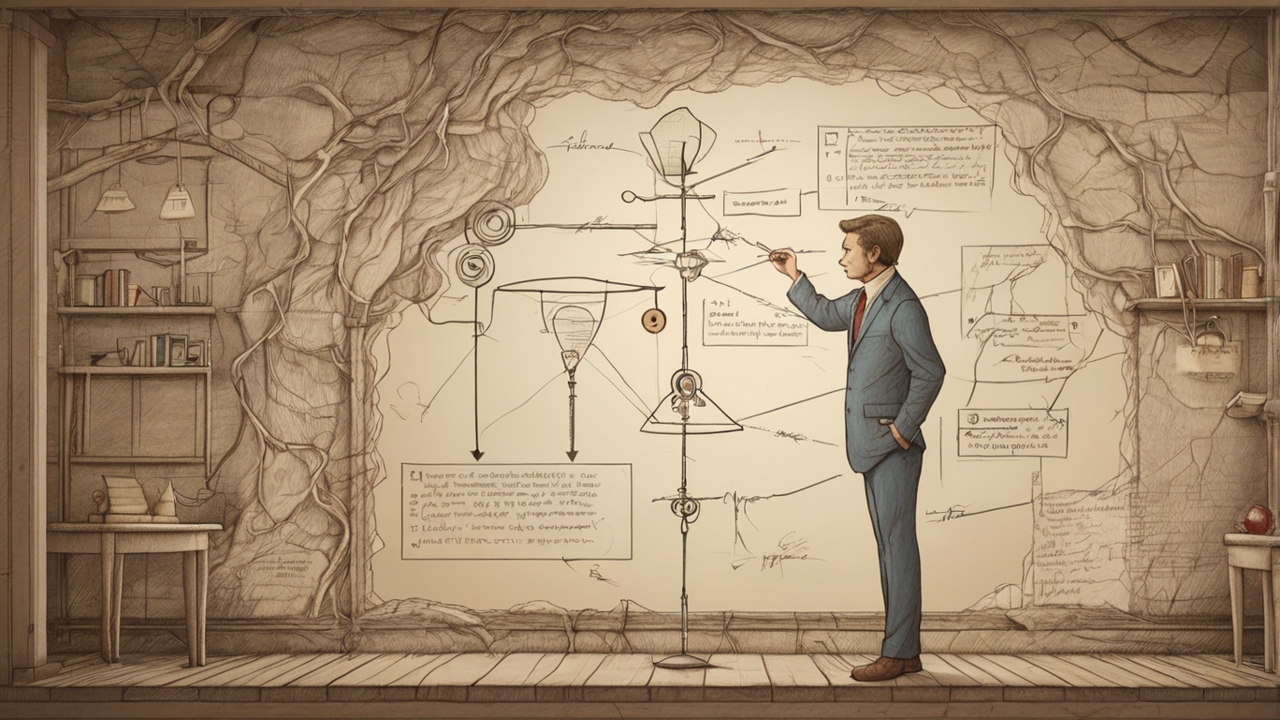
Round Rock Journal – Reframing Failures is no longer just a motivational concept; it has become a practical survival skill in a fast-changing world. Instead of seeing failure as an endpoint, many high performers treat it as raw data for improvement. Moreover, this mindset shift helps individuals stay resilient when expectations collapse. From a self-development perspective, failure often exposes blind spots that success hides. Therefore, learning to reinterpret setbacks as feedback allows growth to continue even in uncomfortable moments. In my experience observing professionals and athletes, those who reframe failures tend to recover faster and improve more consistently.
“Read also: Building Mental Elasticity: Adaptability as a Core Skill“
Understanding the Psychological Difference Between Failure and Feedback
At a cognitive level, the brain processes “failure” as a threat, triggering stress responses. However, when the same event is labeled as feedback, the emotional weight changes dramatically. As a result, curiosity replaces shame. Psychological studies show that people who use neutral or instructional language perform better after setbacks. Consequently, Reframing Failures reduces emotional resistance and opens the door to learning. This shift does not deny disappointment; instead, it contextualizes it. By separating identity from outcome, individuals regain control over their response.
How High Performers Use Reframing Failures to Improve Faster
Elite athletes, entrepreneurs, and creators rarely avoid failure; instead, they analyze it relentlessly. For example, top athletes review losses frame by frame to extract performance insights. Similarly, successful founders treat failed launches as market research. This pattern reveals a shared principle: feedback is valuable only when examined honestly. Therefore, Reframing Failures becomes a performance accelerator rather than a coping mechanism. Over time, this habit builds confidence rooted in adaptability, not perfection.
Emotional Intelligence and the Art of Processing Setbacks
Emotional intelligence plays a central role in Reframing Failures effectively. Without emotional regulation, feedback feels personal and overwhelming. However, individuals with high emotional awareness can pause, reflect, and respond constructively. Moreover, acknowledging emotions without judgment prevents suppression or denial. In practice, this emotional clarity allows lessons to surface naturally. As a result, setbacks become emotionally manageable and intellectually useful. This balance is often what separates growth-oriented individuals from those who feel stuck.
Turning Failure Data into Actionable Feedback Loops
Reframing Failures only works when feedback leads to action. Therefore, reflection must be followed by adjustment. Asking questions such as “What specifically didn’t work?” or “What can be tested differently next time?” transforms disappointment into strategy. In behavioral psychology, this is known as a feedback loop. Over time, small adjustments compound into major improvements. Consequently, failure stops being random pain and becomes structured input for progress.
“Read also: Is Pieter Mulier the Next Creative Force Behind Versace?”
Why Reframing Failures Builds Long-Term Confidence
Ironically, confidence grows faster through failure than success. When individuals survive setbacks and improve afterward, self-trust increases. Moreover, confidence rooted in adaptability is more durable than confidence based on flawless outcomes. Reframing Failures teaches people they can recover, learn, and adjust. As a result, fear of trying new things diminishes. This emotional safety encourages experimentation, which is essential for growth in any field.
Cultural Shifts That Encourage Healthier Views of Failure
In recent years, workplaces and educational systems have begun redefining failure as part of learning. Agile development, design thinking, and growth mindset frameworks all emphasize iteration over perfection. Consequently, Reframing Failures is becoming socially acceptable rather than stigmatized. Organizations that normalize feedback-driven learning often outperform rigid, blame-oriented cultures. This shift highlights how mindset influences both individual and collective success.
Reframing Failures as a Blueprint for Continuous Self-Development
Ultimately, Reframing Failures transforms personal development from a linear path into an evolving process. Instead of chasing flawless results, individuals focus on responsiveness and learning. This approach aligns closely with real-life complexity, where uncertainty is unavoidable. From a long-term perspective, people who treat failure as feedback develop deeper resilience, sharper judgment, and sustainable growth habits. That is why reframing failures is not weakness it is strategic intelligence.