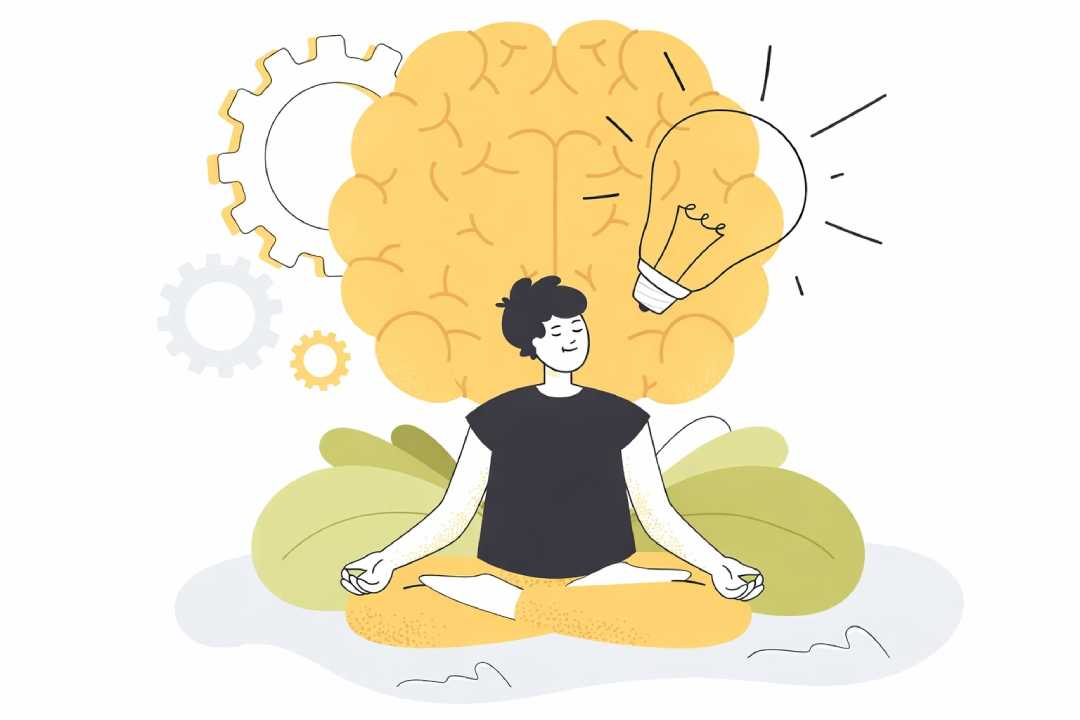
Round Rock Journal – Self-Development Amidst Disruption begins with understanding that change is no longer occasional but constant. In today’s fast-moving world, industries evolve rapidly, technologies replace old systems, and uncertainty becomes part of daily life. Therefore, disruption should not be viewed as a temporary challenge but as a new normal that requires continuous adjustment. Moreover, disruption often arrives unexpectedly, forcing individuals to rethink their routines and priorities. While this can feel overwhelming, it also opens doors to new opportunities. From my perspective, those who recognize disruption early and respond proactively tend to gain a significant advantage. Instead of resisting change, they align themselves with it. Consequently, understanding disruption is the first step toward building resilience and long-term growth.
“Read Also: Comfortable Boots Tips for Women Over 50 to Stay Stylish and Confident“
Building a Growth-Oriented Mindset
To thrive in uncertain times, developing a growth mindset is essential. Rather than seeing challenges as obstacles, individuals with this mindset view them as opportunities to learn and improve. As a result, they become more adaptable and open to change. In addition, a growth mindset encourages curiosity and continuous learning. For example, when faced with new technology, instead of feeling intimidated, a growth-oriented individual will explore and experiment. In my opinion, this mindset acts as a foundation for self-development. Without it, even the best opportunities may be overlooked. Therefore, cultivating this perspective is not just beneficial but necessary in a disruptive environment.
Continuous Learning as a Survival Strategy
In the midst of disruption, knowledge quickly becomes outdated. Consequently, continuous learning is no longer optional but a survival strategy. Whether through online courses, reading, or hands-on experience, staying updated is crucial. Furthermore, learning does not always require formal education. Many successful individuals rely on self-directed learning to stay relevant. For instance, digital platforms provide access to vast resources that can be leveraged anytime. From a practical standpoint, dedicating even a small amount of time daily to learning can lead to significant long-term results. Thus, consistent effort is more valuable than occasional intensity.
Emotional Resilience in Times of Uncertainty
While skills and knowledge are important, emotional resilience plays an equally critical role. Disruption often brings stress, anxiety, and uncertainty. Therefore, managing emotions becomes essential for maintaining focus and productivity. Additionally, resilience allows individuals to recover quickly from setbacks. Instead of being discouraged by failure, they use it as feedback for improvement. In my experience, people who develop strong emotional resilience are better equipped to handle pressure and adapt effectively. As a result, they maintain stability even when external conditions are unpredictable.
Adapting Skills to a Changing Landscape
Another key aspect of self-development is the ability to adapt skills. As industries evolve, certain skills become obsolete while new ones emerge. Therefore, individuals must be willing to update and diversify their capabilities. For example, digital literacy has become a fundamental skill across almost all professions. Similarly, skills such as critical thinking and communication remain consistently valuable. In my view, combining technical skills with soft skills creates a balanced profile that is highly adaptable. Consequently, this approach increases both employability and long-term career stability.
“Read Also: Learn History in a Fun Way Through Inspirational Stories“
Leveraging Technology for Personal Growth
Technology, although often a source of disruption, can also be a powerful tool for self-development. With access to online learning platforms, productivity tools, and global communities, individuals can enhance their skills more efficiently than ever before. Moreover, technology enables personalized learning experiences. For instance, AI-driven tools can recommend content based on individual needs and progress. From a strategic perspective, leveraging these tools can accelerate growth significantly. Therefore, instead of fearing technology, individuals should learn to use it to their advantage.
Turning Challenges into Opportunities
Every disruption carries hidden opportunities. However, recognizing them requires a proactive mindset. Instead of focusing solely on the negative aspects, individuals should identify potential benefits and act accordingly. For instance, economic challenges may encourage entrepreneurship or innovation. Similarly, shifts in industry demand can create new career paths. In my opinion, the ability to reframe challenges as opportunities is a defining trait of successful individuals. As a result, they not only survive disruption but also thrive within it.
Creating Sustainable Personal Growth Habits
Finally, long-term success depends on building sustainable habits. Self-development Amidst Disruption is not a one-time effort but a continuous process. Therefore, establishing routines that support growth is essential. For example, setting clear goals, maintaining discipline, and tracking progress can significantly improve consistency. Additionally, small daily improvements often lead to substantial long-term results. From my perspective, sustainable habits provide stability in an unstable world. Consequently, they serve as a foundation for ongoing personal and professional development.