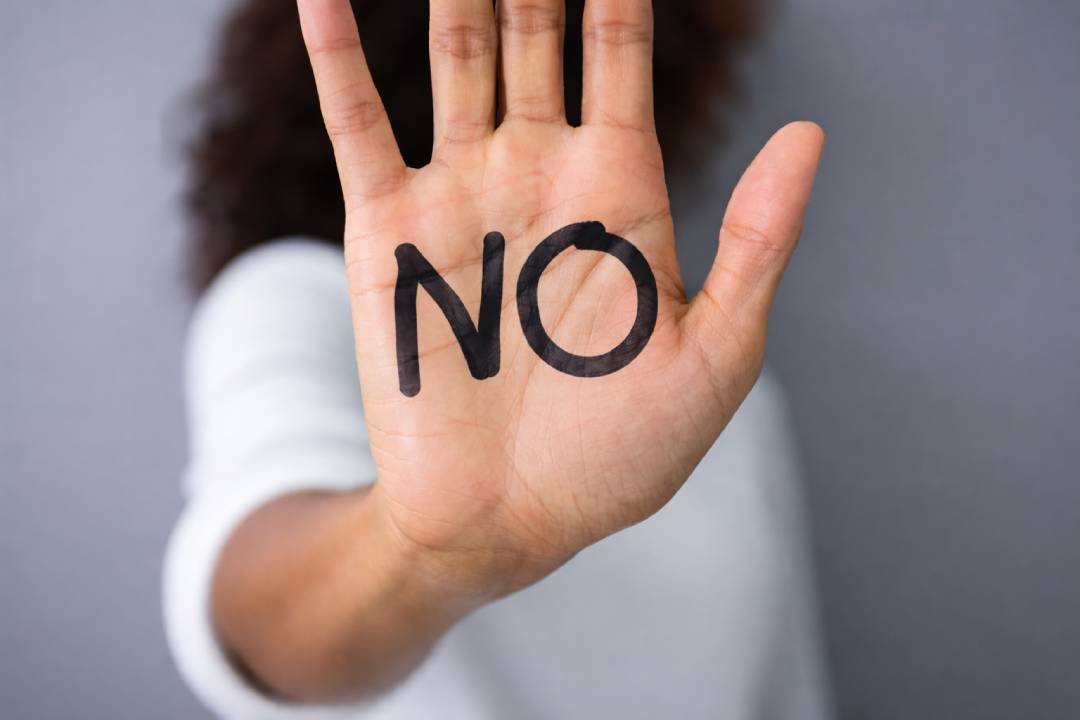
Round Rock Journal – Setting Boundaries Why Saying No Is the Ultimate Form of Self-Care is more than a trending phrase. It reflects a powerful mindset shift in modern life. In a world that constantly demands attention, time, and energy, many people feel overwhelmed. Consequently, burnout has become common across workplaces and personal relationships. However, learning to say no creates space for clarity and balance. In this article, we explore how setting boundaries protects mental health, strengthens relationships, and builds long-term resilience.
“Read Also: The 2026 Winter Olympics Close in Verona: A Final Day“
Understanding the True Meaning of Boundaries
Setting Boundaries Why Saying No Is the Ultimate Form of Self-Care begins with awareness. Boundaries are not walls that isolate us. Instead, they define what feels acceptable and respectful. For example, limiting after-hours work messages protects personal time. Moreover, declining invitations when exhausted preserves energy. When people clearly express their limits, they reduce resentment. Therefore, boundaries create healthier interactions rather than conflict.
Why People Struggle to Say No
Many individuals fear rejection or judgment. As a result, they agree to commitments that drain them. Additionally, cultural expectations often praise constant availability. However, overcommitting leads to stress and emotional fatigue. I have observed that people who rarely say no eventually feel invisible in their own lives. Consequently, practicing refusal becomes an act of reclaiming personal power.
The Psychological Benefits of Setting Limits
Setting Boundaries Why Saying No Is the Ultimate Form of Self-Care improves emotional stability. Studies in behavioral psychology show that clear boundaries reduce anxiety. When individuals control their time, they feel more confident. Furthermore, saying no strengthens self-respect. Over time, this habit builds stronger decision-making skills. Therefore, boundaries support both mental clarity and self-trust.
Strengthening Relationships Through Honest Communication
Contrary to common belief, boundaries improve relationships. When expectations remain unclear, misunderstandings grow. However, respectful communication prevents resentment. For instance, expressing the need for personal space encourages mutual understanding. Moreover, healthy boundaries inspire others to respect your limits. In my opinion, honest refusal often builds deeper trust than silent compliance.
Preventing Burnout in a Fast-Paced World
Modern life rewards productivity. Nevertheless, constant productivity without rest leads to burnout. Setting Boundaries Why Saying No Is the Ultimate Form of Self-Care protects emotional resources. By prioritizing essential tasks, individuals preserve focus and creativity. Consequently, productivity becomes sustainable rather than exhausting. Learning to say no allows energy to be directed toward meaningful goals.
Building Confidence Through Small Steps
Saying no can feel uncomfortable at first. Therefore, start with small boundaries. For example, decline minor requests that conflict with your priorities. Gradually, confidence grows with each decision. Additionally, rehearsing responses reduces anxiety. Simple phrases like “I can’t commit right now” maintain politeness while preserving boundaries. Over time, this practice becomes natural and empowering.
The Role of Self-Awareness in Boundary Setting
Setting Boundaries Why Saying No Is the Ultimate Form of Self-Care requires self-awareness. You must understand your emotional triggers and limits. Consequently, reflection becomes essential. Journaling or quiet reflection helps identify energy drains. Once you recognize patterns, you can respond intentionally. This clarity transforms boundaries into conscious choices rather than reactive defenses.
“Read Also: Gamification in Education Making Learning Fun and Engaging“
Cultural Shifts Toward Healthy Boundaries
In recent years, conversations around mental health have increased. As a result, society now values emotional well-being more openly. Influencers, psychologists, and leaders advocate for balance. Therefore, boundary setting has become normalized rather than criticized. This shift encourages people to protect their time without guilt. I believe this cultural evolution supports healthier communities overall.
Saying No as an Act of Self-Respect
Ultimately, Setting Boundaries Why Saying No Is the Ultimate Form of Self-Care reflects self-respect. When you say no, you honor your time and energy. Moreover, you communicate that your needs matter. Although discomfort may arise initially, long-term peace outweighs temporary awkwardness. Saying no does not mean rejection. Instead, it signals alignment with your values.
Creating a Balanced and Meaningful Life
A balanced life requires intention. Setting Boundaries Why Saying No Is the Ultimate Form of Self-Care empowers individuals to focus on what truly matters. Consequently, priorities become clearer. When commitments align with values, satisfaction increases. In the end, boundaries protect both ambition and well-being, creating a life rooted in purpose and authenticity.