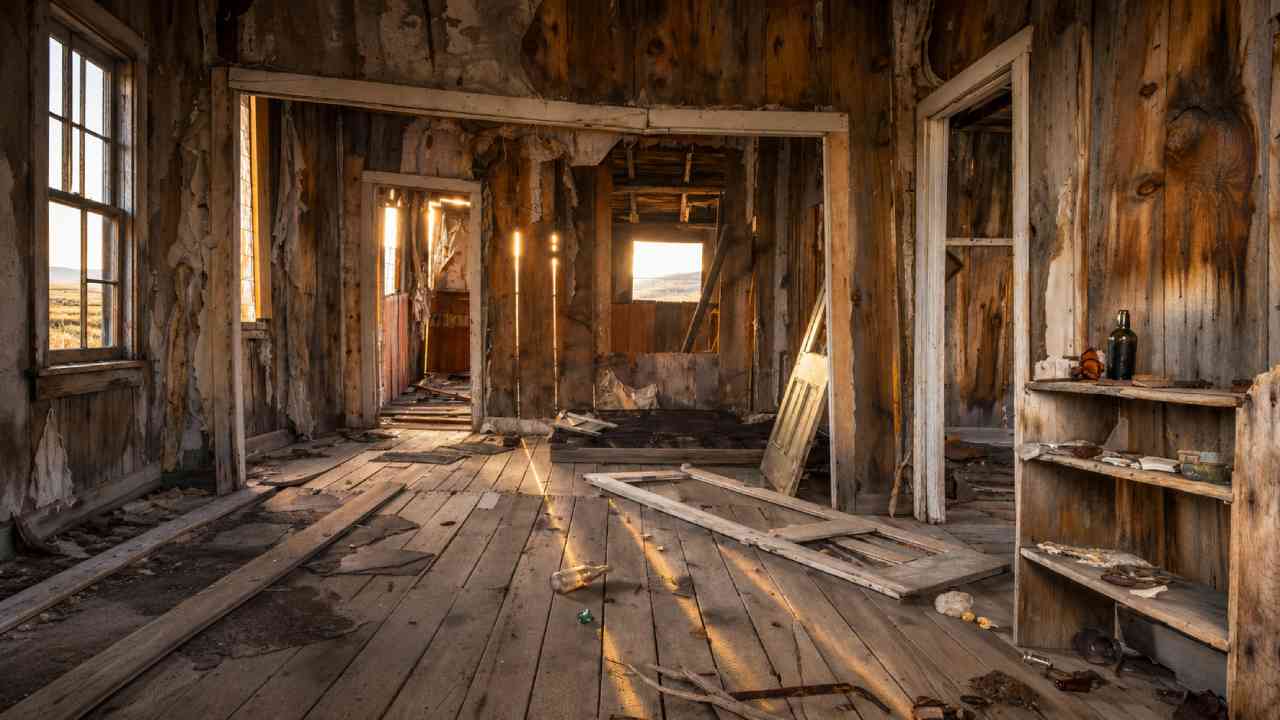
Round Rock Journal – An empty house can feel peaceful during the day. However, everything changes when darkness falls and strange sounds begin. A sudden knock, creaking floorboard, or distant scratching noise can make an abandoned building seem mysterious. Interestingly, most of these sounds have ordinary scientific explanations. Temperature changes, aging materials, and moving air can create unexpected noises throughout a building. Moreover, small animals sometimes enter empty houses and move through hidden spaces. These activities become more noticeable when the surrounding environment grows quiet. Although some people associate unusual sounds with supernatural activity, physical causes are often more likely. Understanding why houses make strange noises helps explain these unsettling experiences. Instead of imagining mysterious visitors, we can examine how buildings respond to their surroundings. Even an empty structure continues reacting to temperature, moisture, pressure, and natural movement.
Temperature Changes Can Make Empty Houses Creak at Night
Temperature changes are among the most common reasons empty houses produce strange sounds. During the day, sunlight warms roofs, walls, and structural materials. As temperatures rise, many building materials expand slightly. However, these materials begin contracting when the air becomes cooler at night. This gradual movement can produce cracking, popping, and creaking noises. Wooden beams may shift against their connections, while metal roofing can create sharp clicking sounds. Furthermore, different materials expand and contract at different rates. This difference can increase movement around joints and fasteners. For example, a roof that absorbs afternoon heat may become noisy after sunset. The sounds can seem sudden, even though the underlying process happens gradually. Therefore, nighttime creaking does not automatically indicate serious structural damage. In many cases, it simply reflects normal physical changes within the building.
Aging Wooden Floors Create Mysterious Footstep Sounds
Old wooden floors can produce noises that resemble footsteps, even when nobody is walking nearby. Wood naturally responds to changes in temperature and humidity. As moisture levels change, wooden boards may expand or shrink. Meanwhile, older nails and connections can become loose over time. These conditions allow small movements between floorboards and supporting beams. Consequently, the wood may creak when surrounding materials shift. In some buildings, vibrations from nearby traffic or strong winds can also affect loose flooring. Interestingly, sound travels through solid structures in unexpected ways. A noise originating near one wall might seem to come from another room. This effect can make ordinary building movement appear mysterious. However, not every creaking floor is harmless. Significant sagging, new cracks, or unusual movement may require professional inspection. Understanding these differences helps homeowners recognize normal sounds and potential maintenance concerns.
Read Also: Malaysia Seeks Rp57 Trillion in Haze Compensation From Indonesia as Environmental Tensions Rise
Wind and Air Pressure Produce Unexpected House Noises
Wind can transform an empty building into a surprisingly noisy environment. Even small openings around doors, windows, and roofs allow moving air to enter. As wind passes through these gaps, it can create whistling or humming sounds. Meanwhile, loose doors may move against their frames and produce repeated knocking noises. Window panels can also vibrate when exposed to strong gusts. Furthermore, changing air pressure may cause lightweight materials to shift. These movements become particularly noticeable in older buildings with damaged seals or loose fittings. For example, a partially open window might create a high-pitched sound during windy weather. Someone standing outside could mistake that noise for a distant voice. However, the explanation may involve nothing more than airflow. Therefore, examining windows, vents, and door frames can help identify the source of unusual nighttime sounds.
Small Animals Often Explain Strange Sounds in Abandoned Houses
Empty houses can become attractive shelters for small animals seeking warmth and protection. Rats, mice, birds, and other creatures may enter through damaged roofs or small openings. Once inside, they often explore attics, wall cavities, and hidden spaces. Their movements can create scratching, tapping, and rustling noises. For example, a rodent moving across ceiling panels may sound surprisingly similar to footsteps. Meanwhile, birds trapped near roof spaces can produce sudden flapping or knocking sounds. These noises become especially noticeable during quiet nighttime hours. Furthermore, some animals remain active after sunset, increasing the chance of hearing them. However, identifying wildlife requires care because certain animals may carry diseases or react defensively. Homeowners should avoid disturbing unknown nests or entering unsafe spaces. Professional pest or wildlife services can help investigate persistent sounds without creating unnecessary risks.
Plumbing Systems Can Create Knocking and Clicking Sounds
Pipes and plumbing fixtures can also explain mysterious noises inside empty houses. Metal pipes expand and contract as their temperatures change. When pipes move against brackets or surrounding materials, they may produce clicking sounds. Additionally, active plumbing systems can experience pressure changes that create noticeable knocking. One example involves water hammer, which occurs when flowing water stops suddenly. This pressure surge can produce a loud impact inside connected pipes. However, water hammer generally requires an operating water supply. Therefore, it may not explain sounds in a completely disconnected building. Other mechanical systems can also create noise when they remain operational. Heating equipment, ventilation fans, and water pumps may produce vibrations that travel through walls. Consequently, understanding the building’s active utilities helps narrow down possible causes. A qualified technician can investigate persistent mechanical noises when necessary.
Why Houses Make Strange Noises More Noticeable After Dark
Nighttime silence changes how people experience familiar sounds. During the day, conversations, traffic, and household activities create background noise. These sounds can mask quieter creaks and clicks. However, background activity often decreases after sunset. As a result, noises that previously went unnoticed become easier to hear. Human attention also influences this experience. When someone enters a dark or unfamiliar building, they may become more alert to unexpected sounds. This heightened attention can make ordinary noises feel unusually important. Furthermore, darkness removes visual information that might otherwise explain a sound. Without seeing a moving curtain or loose window, people may imagine a more mysterious cause. Therefore, nighttime does not necessarily make a building produce more noise. Instead, quieter surroundings and increased awareness can make existing sounds seem louder and more unsettling.
How the Human Brain Interprets Mysterious House Sounds
The human brain constantly searches for patterns and explanations. This ability helps people recognize potential dangers and understand unfamiliar situations. However, it can also create misleading interpretations when information is limited. For example, several irregular knocks might resemble footsteps moving through a hallway. Someone who expects a haunted building may interpret those sounds differently. Psychologists describe this influence of expectations as a form of top-down processing. Previous beliefs and experiences can shape how people interpret sensory information. Furthermore, uncertainty often encourages the imagination to fill missing details. A creaking door might become a mysterious visitor in someone’s mind. Nevertheless, an interpretation is not the same as evidence. Careful observation provides a more reliable way to understand unexplained noises. By considering ordinary physical causes first, people can evaluate unusual experiences without jumping to dramatic conclusions.
Sound Vibrations Can Travel Through Walls and Ceilings
Sound does not always travel directly from its source to a listener. Instead, vibrations can move through walls, floors, pipes, and structural connections. This process helps explain why noises sometimes seem to originate from unexpected locations. For example, a small movement in the roof may produce a sound heard near a downstairs wall. Similarly, vibrations from outdoor machinery can travel through connected building materials. Older structures may contain loose components that amplify certain sounds. Meanwhile, empty rooms often have fewer furnishings to absorb reflections. Hard surfaces can reflect sound, making some noises seem sharper or more persistent. Consequently, identifying the exact source becomes difficult without careful investigation. However, the apparent direction of a sound may be misleading. Understanding how vibrations travel helps explain why an empty house can seem active even when no person is inside.
When Strange House Noises May Signal Structural Problems
Although many building noises have harmless explanations, some deserve closer attention. Repeated loud cracking, sudden shifts, or unusual grinding sounds may indicate developing problems. These warning signs become more concerning when accompanied by visible damage. For example, new wall cracks, sagging ceilings, or uneven floors can suggest structural movement. Water damage may also weaken wooden supports and connections. Furthermore, damaged roofing can allow wind to move loose materials more aggressively. Therefore, property owners should consider both the sound and the building’s overall condition. A single creak rarely provides enough information to identify a serious problem. However, persistent changes deserve professional evaluation. Entering an abandoned structure without permission or safety checks can be dangerous. Unstable flooring, exposed wiring, and damaged stairs may present immediate hazards. A qualified building inspector can assess suspicious conditions more safely.
Understanding Why Empty Houses Sound Haunted Without Being Haunted
Stories about haunted houses often begin with sounds nobody can immediately explain. A sudden knock or distant creak may become the foundation of a frightening story. However, ordinary physical processes offer explanations for many such experiences. Temperature changes affect structural materials, while wind moves loose doors and windows. Meanwhile, animals can create footsteps and scratching noises inside hidden spaces. Human perception adds another layer because darkness and expectations influence how sounds are interpreted. Together, these factors can make an empty house seem unusually active. Nevertheless, no single explanation applies to every building or every sound. Careful investigation remains important when the source is uncertain. Rather than assuming a supernatural cause, observers can consider environmental conditions and building maintenance. This scientific approach turns an unsettling experience into an opportunity to understand architecture, physics, and human perception.