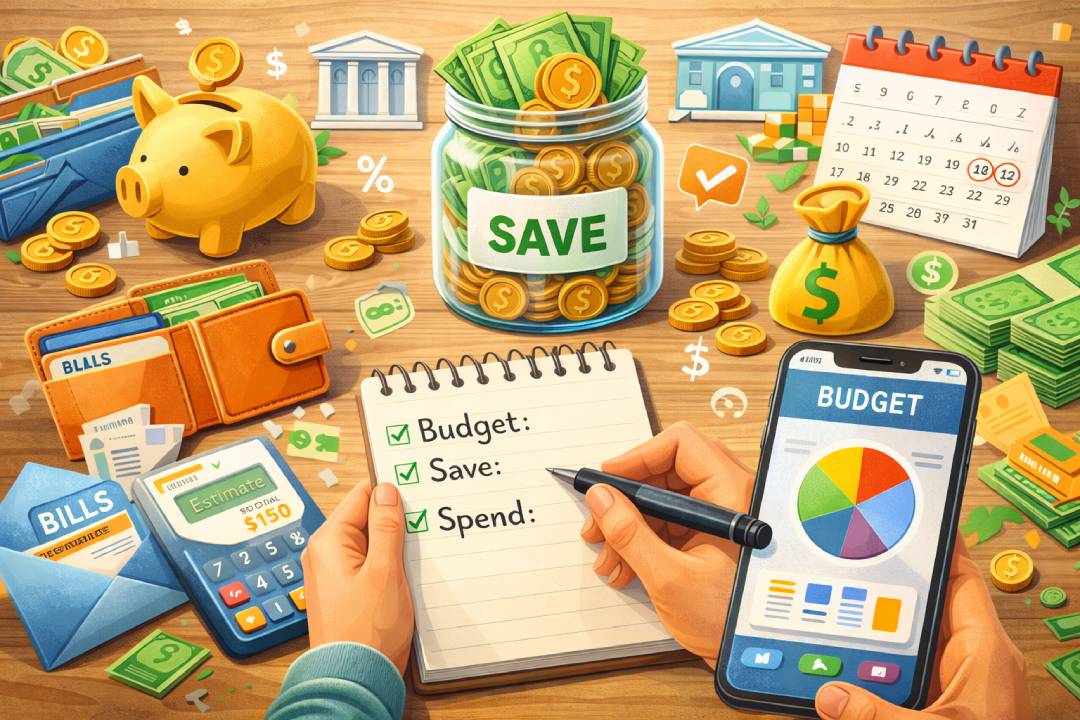
Round Rock Journal – Simple Personal Finance Easy Tips for Saving and Budgeting is a topic that many people feel overwhelmed by, but it doesn’t have to be complicated. In fact, managing your finances is about small, consistent changes that add up over time. You don’t need to be an expert in economics or spend hours poring over spreadsheets. By following simple yet effective strategies, anyone can improve their financial health. The goal is to break down the process into manageable steps, so that it feels achievable and even empowering. Whether you’re saving for a vacation, a new car, or simply trying to reduce debt, these tips will help you start today.
“Read Also: Overthinking and Mental Clarity How to Calm Your Mind“
The Power of Budgeting: The First Step to Financial Control
One of the key foundations of Simple Personal Finance: Easy Tips for Saving and Budgeting is creating a budget. A budget is not about restricting yourself. It’s about giving yourself control. Many people avoid budgeting because they think it’s too rigid, but in reality, it’s the most freeing thing you can do. By tracking your income and expenses, you can make informed decisions. You’ll know where your money is going and identify areas where you can save. A budget can also prevent impulse spending, because it creates clear goals. For example, if you plan to spend $100 on groceries and see that you’ve already spent $80, you’ll be less likely to buy unnecessary items.
Setting Realistic Savings Goals: Start Small, Think Big
Simple Personal Finance: Easy Tips for Saving and Budgeting is all about making savings manageable. Setting realistic savings goals is crucial to staying motivated. Start by aiming to save a small, consistent amount each month, rather than aiming for a large, overwhelming figure. For instance, even saving just $50 a month can build into a significant amount over the course of a year. As you get more comfortable, you can gradually increase your savings goal. The key is to make it sustainable. By keeping your savings goals small and achievable, you’re more likely to stick to them and gradually build a solid financial cushion.
The 50/30/20 Rule: A Simple Way to Manage Your Money
If you’re looking for a simple budgeting method, the 50/30/20 rule is a great place to start. It divides your income into three categories:
- 50% for needs (housing, utilities, groceries, etc.)
- 30% for wants (dining out, entertainment, hobbies)
- 20% for savings or debt repayment.
By following this method, you create a balanced financial plan that ensures you’re covering your essentials while still setting money aside for the future. The simplicity of this rule makes it easy to follow without overcomplicating your finances. It also gives you flexibility, as the remaining 30% allows room for non-essentials.
Cutting Unnecessary Expenses: How to Identify Areas for Savings
Simple Personal Finance: Easy Tips for Saving and Budgeting also include identifying areas where you can cut back. It’s common to spend money on subscriptions, memberships, or impulse purchases that don’t add much value to your life. By analyzing your spending habits, you can often find these hidden expenses. Start by reviewing your bank statements and making a list of recurring expenses. Are you paying for multiple streaming services you don’t use? Could you bring lunch to work instead of eating out every day? Small changes like this can have a big impact. The goal is not to deprive yourself, but to be more mindful of where your money is going.
Building an Emergency Fund: The Key to Financial Security
One of the most important aspects of Simple Personal Finance: Easy Tips for Saving and Budgeting is setting up an emergency fund. Life is unpredictable, and having a cushion to fall back on can provide peace of mind. Start by saving just a small amount each month, aiming to eventually set aside three to six months’ worth of living expenses. This fund can be used for unexpected expenses, such as medical bills or car repairs, so you don’t have to rely on credit cards or loans. Having an emergency fund is a critical step in building financial security and reducing stress.
“Read Also: “History Is Being Erased”: Nick Cave’s Mammoths Arrive“
The Importance of Debt Repayment: Paying Down High-Interest Debt
While saving is important, so is managing and paying down debt. Simple Personal Finance: Easy Tips for Saving and Budgeting must include a plan for tackling high-interest debt, such as credit card balances. One effective method is the debt snowball approach. Start by paying off the smallest debts first, while making minimum payments on larger debts. Once the smallest debt is paid off, move on to the next. This method provides quick wins and helps build momentum. Alternatively, if you want to save money on interest, you can focus on paying off the highest-interest debt first (debt avalanche method). Either way, having a plan will help you feel more in control of your finances.
Automating Savings and Bill Payments: Make It Easy to Stay on Track
A great way to simplify personal finance is by automating your savings and bill payments. This ensures that you’re consistently saving and paying bills on time, without having to think about it. Set up automatic transfers to a savings account right after payday, so you’re not tempted to spend it. You can also automate your utility, credit card, and loan payments to avoid late fees. Automating these tasks makes it easier to stay disciplined and stick to your savings goals, giving you more time to focus on other financial priorities.
The Long-Term Benefits of Financial Discipline
Simple Personal Finance: Easy Tips for Saving and Budgeting offer long-term rewards. By consistently following these steps, you’ll eventually achieve a level of financial freedom that allows you to make choices based on your goals, not your paycheck. Whether you want to buy a house, travel, or retire comfortably, financial discipline creates the foundation for all these dreams. Over time, small habits add up, and you’ll find yourself with more options and less stress. It may take time to build this discipline, but the benefits are well worth the effort.