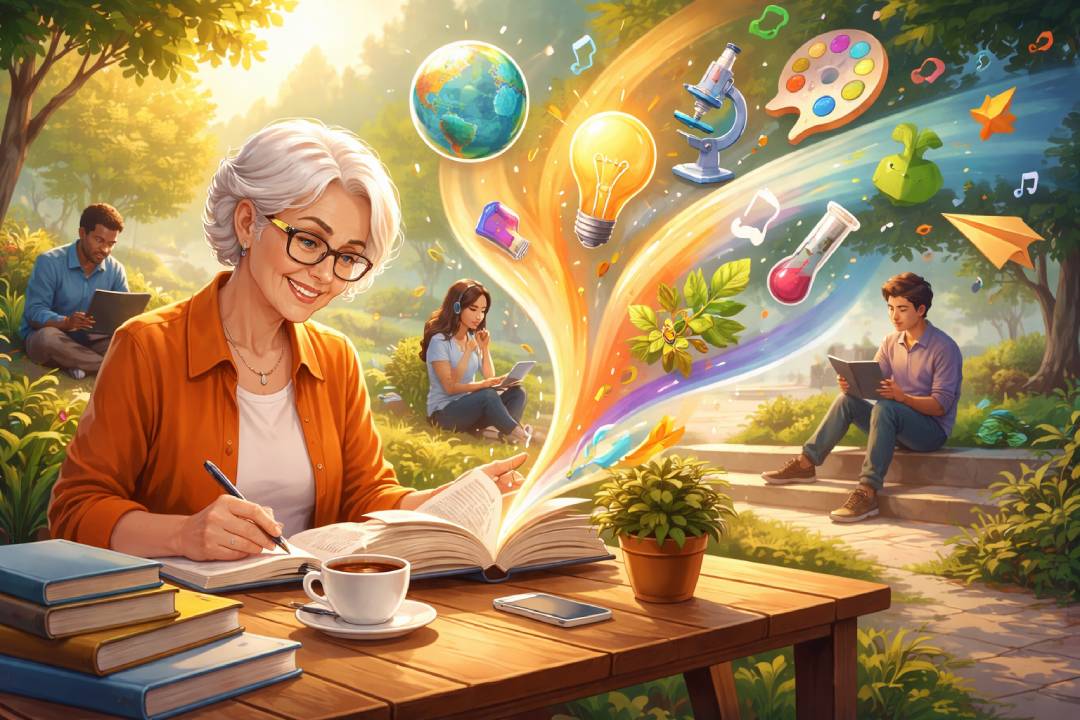
Round Rock Journal – Lifelong Learning The Key to Personal Growth at Any Age is a concept that has gained significant attention in recent years, and for good reason. It’s not just a trendy phrase, but a crucial part of personal and professional growth at any age. In a world that’s constantly changing, the ability to adapt, acquire new skills, and continuously improve is more important than ever. Lifelong learning doesn’t just apply to traditional education; it’s about keeping an open mind, being curious, and seeking opportunities to learn from experiences. In my opinion, the power of lifelong learning is that it empowers individuals to stay relevant and engaged throughout their lives, regardless of career stage or age.
“Read Also: Shame Resilience Practice: How to Stop Fearing Judgment“
Why Lifelong Learning is Important for Personal Growth
Lifelong Learning is crucial for personal growth because it helps individuals develop a growth mindset. When you commit to learning throughout your life, you start to see challenges as opportunities rather than obstacles. Whether it’s learning a new language, taking up a new hobby, or gaining expertise in a different field, lifelong learning encourages a mindset of continual improvement. This can have profound effects on confidence, self-esteem, and overall life satisfaction. In my experience, people who embrace lifelong learning tend to be more resilient, curious, and adaptable. This mindset makes it easier to navigate the uncertainties that life inevitably throws our way.
The Role of Curiosity in Lifelong Learning
Curiosity is at the heart of Lifelong Learning. Without curiosity, there is little drive to explore new ideas or develop new skills. The more curious you are, the more motivated you become to seek out new learning opportunities. It’s also essential for problem-solving. When you approach challenges with curiosity, you are more likely to explore various solutions, rather than stick to what you already know. In my opinion, fostering curiosity can make learning enjoyable rather than a chore. Whether it’s picking up a new book, watching educational videos, or engaging with others, curiosity makes the process natural and exciting.
Learning Doesn’t Stop at School
Lifelong Learning is not confined to formal schooling. In fact, most of the learning we do throughout our lives occurs outside the classroom. As we grow older, we find that personal growth and skill development are ongoing processes. Technology has made learning more accessible, with endless online courses, podcasts, and YouTube tutorials that allow us to learn at our own pace. Whether you are looking to acquire new work-related skills, pick up a hobby, or simply understand the world around you better, there are opportunities everywhere. This democratization of learning has made it possible for anyone to be a lifelong learner, no matter their age or background.
How Lifelong Learning Enhances Career Opportunities
Lifelong Learning plays a significant role in career advancement. In a rapidly evolving job market, staying current with trends, tools, and technologies can make all the difference. Professionals who commit to continuous learning can remain competitive, develop new skills, and adapt to changes in their industry. Whether it’s gaining certifications, learning new software, or attending seminars, every bit of learning can help you stand out. In my opinion, employees who actively engage in learning opportunities are seen as more invested in their work, which can lead to promotions, salary increases, and even new career paths. Lifelong learning creates more flexibility and opens doors to new possibilities.
How to Make Lifelong Learning a Habit
Making Lifelong Learning a habit can be challenging, but it’s definitely possible with the right approach. Start small by setting aside dedicated time each week to explore something new. This could mean reading a book, taking an online course, or learning a new language. The key is consistency. In the beginning, it’s helpful to focus on subjects that genuinely interest you. When you’re excited about learning, the process becomes more enjoyable. Over time, you can build on this foundation by exploring new topics or pushing your limits with more challenging material. In my experience, when you make learning a regular part of your routine, it no longer feels like a task. Instead, it becomes something you naturally incorporate into your lifestyle.
“Read Also: Where Do You Stand in the K-Shaped Economy? Why“
Benefits of Lifelong Learning for Mental Health
Lifelong Learning offers significant benefits for mental health. Engaging in new learning activities can keep your brain sharp and improve cognitive function. Studies have shown that continued learning can reduce the risk of age-related cognitive decline, such as dementia. Moreover, learning keeps the brain active and stimulates neuroplasticity, which helps maintain brain health. In addition to cognitive benefits, lifelong learning can also improve emotional well-being. Pursuing personal interests and achieving learning goals brings a sense of accomplishment, which boosts self-confidence and happiness. In my opinion, is an excellent tool for maintaining mental health and keeping the mind vibrant throughout life.
Lifelong Learning as a Social Activity
Lifelong Learning is not just a solitary activity – it can also be a social one. Joining groups or communities that focus on learning new skills allows you to meet like-minded people who share your interests. Whether it’s attending workshops, participating in group projects, or engaging in online discussions, learning in a social setting can deepen your knowledge while also building friendships and connections. Social learning also helps reinforce motivation, as it allows you to share your progress and challenges with others. In my experience, social interactions during the learning process make it more enjoyable and give you a support system that helps you stay on track.
Overcoming Challenges in Lifelong Learning
While offers many benefits, there are challenges along the way. Time is often a major barrier. With busy schedules, it can be difficult to prioritize learning amidst work, family, and other obligations. However, small adjustments can make a big difference. Start by integrating learning into daily routines, such as listening to educational podcasts during commutes or using your lunch break to read. Another challenge is staying motivated. Progress can feel slow, especially when learning something complex. But perseverance is key. Remember, is a journey, not a race. In my opinion, the most important thing is to enjoy the process rather than focusing only on the outcome.