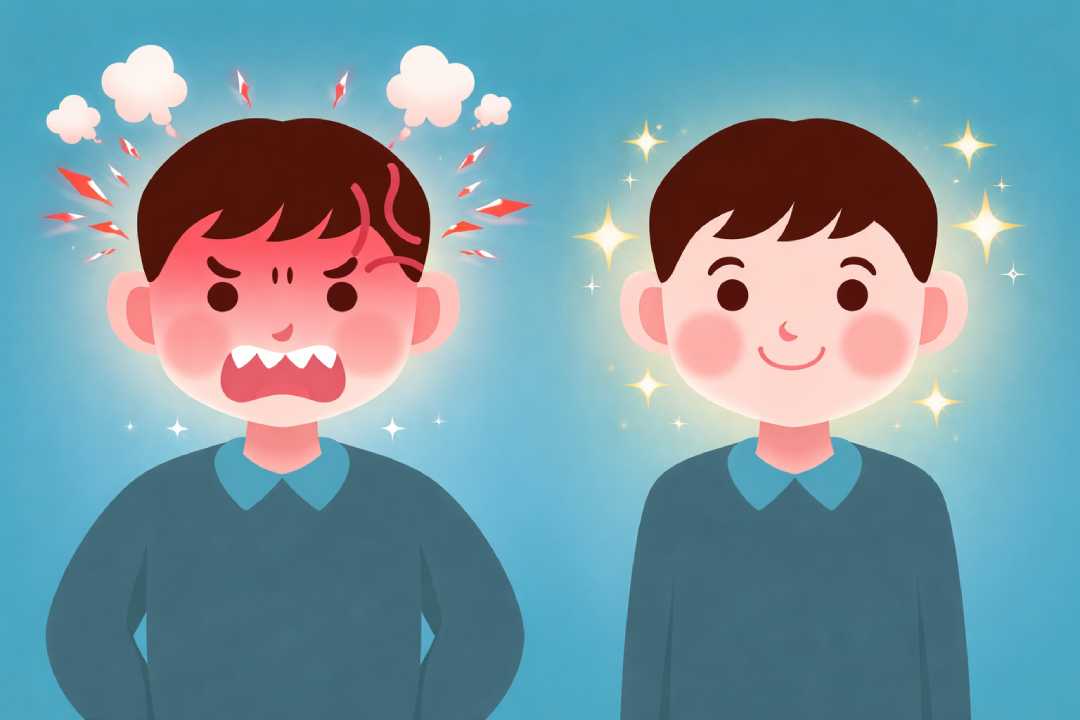
Round Rock Journal – Learn to Control Anger and Express Your Feelings Calmly is not about suppressing emotions but about understanding them. Anger is a natural human response that usually appears when someone feels threatened, disrespected, or misunderstood. Psychologists often describe anger as a protective emotion because it signals that something important needs attention. However, when anger becomes uncontrolled, it may damage relationships, decision-making, and mental well-being. For instance, many workplace conflicts start with small frustrations that escalate into emotional reactions. Therefore, recognizing the roots of anger becomes the first step toward emotional maturity. In my experience observing communication dynamics, people who understand their emotional triggers tend to respond more thoughtfully instead of reacting impulsively. As a result, they maintain healthier conversations even in stressful situations. Furthermore, learning the psychology behind anger helps individuals separate the emotion itself from harmful behavior. Anger can actually become a constructive signal for personal growth if it is handled with awareness and patience.
“Read Also: Diesel Prices Are Rising Faster Than Gasoline and Why It Matters for Everyone“
The Psychology Behind Emotional Triggers
When people try to Learn to Control Anger and Express Your Feelings Calmly, they must first identify their emotional triggers. Emotional triggers are situations, words, or behaviors that activate strong reactions based on past experiences or personal values. For example, criticism may feel threatening for someone who associates it with failure. Similarly, feeling ignored can provoke frustration for individuals who value recognition. According to emotional intelligence research, awareness of triggers significantly reduces impulsive reactions. Consequently, individuals who understand their triggers gain greater control over their emotional responses. In real-life conversations, triggers often appear unexpectedly. Nevertheless, people who practice emotional awareness can pause and reflect before reacting. In addition, recognizing triggers allows someone to communicate their feelings more clearly instead of reacting defensively. Over time, this awareness transforms anger from a destructive reaction into a useful emotional signal. Therefore, emotional triggers should not be feared but understood as valuable clues about personal boundaries and emotional needs.
Why Suppressing Anger Can Be Harmful
Many people mistakenly believe that staying silent is the best way to manage anger. However, suppressing emotions can create deeper psychological tension. When individuals avoid expressing feelings, frustration accumulates internally and eventually explodes in unhealthy ways. Consequently, unresolved anger may lead to anxiety, stress, or even physical symptoms such as headaches and fatigue. Experts in emotional intelligence emphasize that the goal is not to eliminate anger but to regulate it. In fact, learning to express feelings calmly allows anger to transform into constructive communication. For instance, rather than shouting during disagreements, a person can explain their concerns respectfully. Moreover, open emotional expression often prevents misunderstandings from growing into major conflicts. In my opinion, people who communicate emotions honestly build stronger trust in their relationships. Therefore, instead of suppressing anger, individuals should focus on expressing it in ways that encourage dialogue, empathy, and mutual understanding.
The Role of Emotional Intelligence in Anger Control
Emotional intelligence plays a crucial role when people try to Learn to Control Anger and Express Your Feelings Calmly. Emotional intelligence refers to the ability to understand, manage, and communicate emotions effectively. Psychologist Daniel Goleman highlights four key components: self-awareness, self-regulation, empathy, and social skills. When these abilities develop together, individuals become more capable of handling emotional tension. For example, self-awareness helps someone recognize when anger begins to rise. Meanwhile, self-regulation allows them to slow down their reaction before speaking. Additionally, empathy encourages understanding the other person’s perspective during disagreements. Consequently, conversations become more balanced and productive. In modern workplaces and relationships, emotional intelligence is increasingly considered a critical life skill. People with high emotional intelligence tend to resolve conflicts more effectively and maintain stronger social connections. Therefore, improving emotional intelligence is one of the most practical strategies for managing anger and expressing emotions calmly.
Practical Techniques to Calm the Mind Before Reacting
Although anger can appear suddenly, several techniques can help calm the mind before responding. One of the simplest methods is controlled breathing. Taking slow, deep breaths helps regulate the nervous system and reduce emotional intensity. As a result, the brain regains clarity and rational thinking improves. Another helpful technique is pausing before responding in conversation. Even a few seconds of silence can prevent impulsive words that may later be regretted. In addition, physical movement such as walking or stretching helps release built-up tension in the body. Many psychologists also recommend mindfulness practices because they strengthen emotional awareness over time. Personally, I have noticed that individuals who regularly practice breathing or mindfulness exercises respond more calmly during conflicts. These techniques may appear simple, yet their impact can be profound. By creating a small moment of reflection, people gain the ability to respond thoughtfully rather than reacting emotionally.
“Read Also: Light Education via Infographics: A Simple Way to Learn Complex Ideas“
Communicating Feelings Without Creating Conflict
Once emotional intensity decreases, the next step is expressing feelings clearly and respectfully. Communication experts often recommend using “I statements” instead of accusations. For example, saying “I feel uncomfortable with this situation” is more constructive than blaming someone directly. This approach prevents the conversation from becoming defensive. Furthermore, calm communication encourages the other person to listen instead of reacting emotionally. In many cases, conflicts escalate because people feel attacked rather than understood. Therefore, expressing emotions calmly can dramatically change the tone of a discussion. Additionally, active listening plays a vital role in emotional communication. When individuals listen carefully, they show respect and openness. As a result, misunderstandings become easier to resolve. In my observation, relationships that practice calm communication tend to build stronger trust over time. Consequently, expressing emotions respectfully becomes an essential life skill in both personal and professional interactions.
Building Long-Term Emotional Self-Control
Learning emotional self-control requires consistent practice rather than instant change. Just like physical fitness, emotional strength develops gradually through daily habits. Journaling emotions, reflecting on conversations, and practicing mindfulness can strengthen emotional awareness over time. Moreover, self-reflection helps individuals analyze what triggered their anger and how they responded. Through this process, people begin to recognize patterns in their behavior. As a result, they can improve future responses. Many successful leaders emphasize emotional discipline because it improves decision-making and leadership effectiveness. In addition, emotional stability often leads to healthier relationships and greater personal confidence. In my perspective, emotional self-control represents a lifelong learning process rather than a fixed skill. However, the benefits are significant. Individuals who develop emotional control often experience greater clarity, stronger relationships, and a more balanced mindset in challenging situations.
Transforming Anger into Positive Personal Growth
Ultimately, the goal to Learn to Control Anger and Express Your Feelings Calmly is not merely about avoiding conflict. Instead, it involves transforming anger into a source of personal growth. When anger is managed wisely, it reveals important insights about personal boundaries, values, and expectations. Consequently, individuals gain a deeper understanding of themselves and others. Over time, this awareness strengthens emotional resilience. Furthermore, people who master emotional control often become more effective communicators and leaders. Their calm presence can stabilize tense situations and inspire trust. From a broader perspective, emotional mastery contributes to healthier communities because it promotes respectful dialogue and empathy. Therefore, anger should not always be viewed as a negative force. With the right mindset and communication skills, it can become a powerful tool for personal development and emotional maturity.