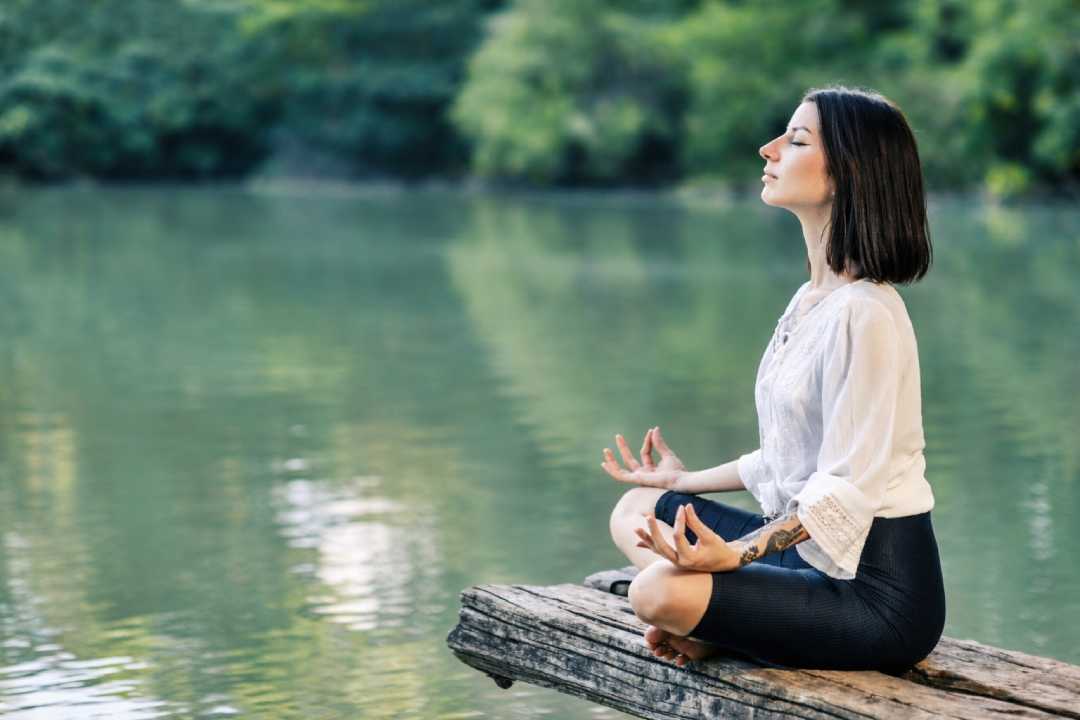
Round Rock Journal – The Benefits of Meditation for Mental Health: How to Calm Your Mind and Reduce Stress Meditation has become an increasingly popular practice for enhancing mental health. As the pressures of modern life continue to rise, more people are turning to meditation as a way to find calm and alleviate stress. The benefits of meditation for mental health are vast, offering relief from anxiety, depression, and emotional turmoil. By practicing meditation regularly, individuals can cultivate a sense of peace, reduce negative thought patterns, and improve overall well-being. Meditation not only helps calm the mind but also improves physical health by reducing the effects of stress on the body. With just a few minutes each day, it becomes a powerful tool for maintaining emotional balance and mental clarity. The impact of meditation goes beyond relaxation, it enhances resilience, focus, and emotional intelligence, contributing to long-term mental health.
“Read Also: The Oscars Red Carpet: Where Fashion Meets Fame“
What is Meditation and How Does It Work?
Meditation is the practice of focusing the mind to achieve a state of calm and clarity. It typically involves deep breathing, mindfulness, or repeating a mantra. This practice encourages the mind to let go of distractions, creating space for inner peace. The goal of meditation is not only relaxation but also awareness of thoughts and emotions. When practiced regularly, meditation helps the mind respond to stress more calmly. It teaches individuals to observe their thoughts without judgment. This ability to detach from thoughts reduces the mental clutter that contributes to anxiety. By cultivating mindfulness, meditation helps in building a peaceful mental state.
The Connection Between Meditation and Stress Relief
One of the most significant benefits of meditation is its ability to reduce stress. Research shows that meditation lowers cortisol levels, the hormone associated with stress. As the body enters a relaxed state, the heart rate and blood pressure decrease, contributing to overall well-being. Meditation helps break the cycle of stress by focusing on the present moment. Instead of ruminating over past events or worrying about the future, meditation brings attention to the now. This process allows for better stress management and a more relaxed state of mind. Over time, individuals who meditate report feeling less anxious and better able to cope with daily pressures. Through consistency, meditation trains the mind to handle stress with greater ease.
Improving Focus and Clarity Through Meditation
Meditation can improve mental focus and clarity by training the brain to concentrate on a single task. This enhanced focus can extend beyond meditation sessions into daily life. By practicing mindfulness, individuals become more present in their work and personal activities. Meditation helps clear mental fog, which allows for improved decision-making and problem-solving. As the mind becomes more disciplined, distractions are easier to ignore. The benefits of meditation also include improved memory and cognitive function. Regular practice sharpens the brain, making it easier to retain information and stay on task. For those seeking to boost productivity, meditation can be a powerful tool.
Emotional Regulation and Enhanced Self-Awareness
Meditation promotes better emotional regulation by helping individuals understand their emotions. Through mindful practice, one becomes more attuned to feelings of anger, sadness, or frustration. Instead of reacting impulsively, meditation teaches individuals to observe their emotions with detachment. This awareness helps in choosing more constructive responses. The ability to pause and reflect before reacting leads to improved relationships and personal growth. Meditation encourages self-compassion, helping people accept their flaws and progress at their own pace. As a result, meditation strengthens emotional intelligence, allowing individuals to navigate complex emotions with ease. Over time, this emotional awareness becomes a powerful tool for personal development.
Enhancing Sleep Quality with Meditation
Meditation is known to improve sleep quality by promoting relaxation before bedtime. By calming the mind and reducing stress, meditation prepares the body for rest. Many people struggle with insomnia or poor sleep due to anxiety or racing thoughts. Meditation helps quiet the mind, making it easier to fall asleep and stay asleep. Studies show that even a brief meditation session before bed can significantly improve sleep quality. Techniques such as deep breathing or body scanning are particularly effective in relaxing the nervous system. For those who suffer from sleepless nights, meditation offers a natural remedy that doesn’t rely on medication. A consistent meditation routine can lead to more restful nights and energized mornings.
“Read Also: Top Tools for Teachers to Integrate Light Education in Their Curriculum“
Meditation for Long-Term Mental Health
Incorporating meditation into your routine has long-term benefits for mental health. Regular practice reduces symptoms of anxiety and depression, providing a lasting sense of calm. Meditation also strengthens the brain’s ability to handle emotional stress. It promotes resilience, allowing individuals to better cope with challenges. Over time, meditation helps develop a more positive outlook on life. It teaches patience, focus, and acceptance, qualities that contribute to emotional stability. Studies indicate that consistent meditation practice can lead to lasting improvements in mood and mental clarity. As a result, meditation supports long-term mental well-being, offering a sustainable solution to managing stress.
How to Start Meditating for Mental Health
Starting a meditation practice is simple and doesn’t require special equipment. Begin by setting aside a few minutes each day for mindful breathing or focusing on the present moment. Find a quiet space, sit comfortably, and focus on your breath. As thoughts arise, simply acknowledge them and return your focus to your breath. There is no right or wrong way to meditate, so it’s important to be patient with yourself. With consistent practice, meditation will become easier and more effective. You can gradually increase the time spent meditating as you become more comfortable. Many people also benefit from guided meditation apps or videos, which offer structure and support. By starting small and building a daily habit, you’ll soon experience the mental clarity and calm that meditation provides.
Overcoming Common Challenges in Meditation Practice
Meditation can be challenging at first, but persistence leads to success. Many beginners struggle with restlessness, wandering thoughts, or impatience. These challenges are normal, and it’s important to be gentle with yourself. As with any skill, consistency is key. The more you practice, the easier it becomes to quiet the mind and focus. If distractions arise, simply bring your attention back to your breath without judgment. Meditation is not about achieving perfection but about cultivating a peaceful state of mind. Over time, the benefits will become evident, and meditation will feel like a natural part of your routine. Remember, each session contributes to your long-term mental health and well-being.