Round Rock Journal – Sleep Optimization for Mental Health has become one of the most discussed self-development topics in recent years. Many people once believed that success only came from working harder and sleeping less. However, modern lifestyle trends are changing that perspective quickly. Today, more people understand that quality sleep directly affects focus, emotional stability, and daily productivity. In fact, several wellness communities now consider sleep one of the most important foundations for a balanced life. Because of this shift, sleep optimization has started becoming a major part of modern routines, especially among entrepreneurs, remote workers, students, and digital creators.
Read Also: Rosé BLACKPINK Captivates Met Gala 2026 With a Dramatic Giant Bird Brooch
Modern Lifestyles Are Slowly Damaging Sleep Quality
The digital era has changed the way people live and work. Many individuals now spend hours in front of screens every day. In addition, social media and entertainment platforms often keep users awake until late at night. As a result, sleep schedules become inconsistent and unhealthy. Many people also experience mental fatigue because their brains never fully rest. Consequently, poor sleep quality has become a common problem worldwide. Experts now warn that chronic sleep deprivation may affect emotional health, memory, and long-term productivity. Therefore, more people have started paying attention to healthier sleep habits.
Sleep Optimization Is More Than Just Sleeping Longer
Many people assume sleep optimization simply means getting more sleep. However, the concept focuses more on improving sleep quality and consistency. Some individuals sleep for many hours but still wake up feeling exhausted. This usually happens because their sleep cycles remain unhealthy. For this reason, sleep optimization encourages routines that support deeper and more restorative rest. People now focus on consistent sleep schedules, calm nighttime routines, and healthier bedroom environments. In addition, many wellness experts believe that proper sleep quality helps the body recover more efficiently after stressful daily activities.
Mental Health Strongly Depends on Healthy Sleep Patterns
Mental health and sleep quality share a very close relationship. People who sleep poorly often experience stress, anxiety, and emotional instability more frequently. On the other hand, quality sleep helps the brain process emotions more effectively. As a result, individuals feel calmer and more emotionally balanced throughout the day. Many psychologists also explain that proper sleep improves mood regulation and mental clarity. Because of this connection, wellness communities now promote healthy sleep as an important part of emotional self-care. Furthermore, people who improve their sleep routines often notice positive changes in their overall mindset.
Blue Light Exposure Continues to Affect Modern Sleep Habits
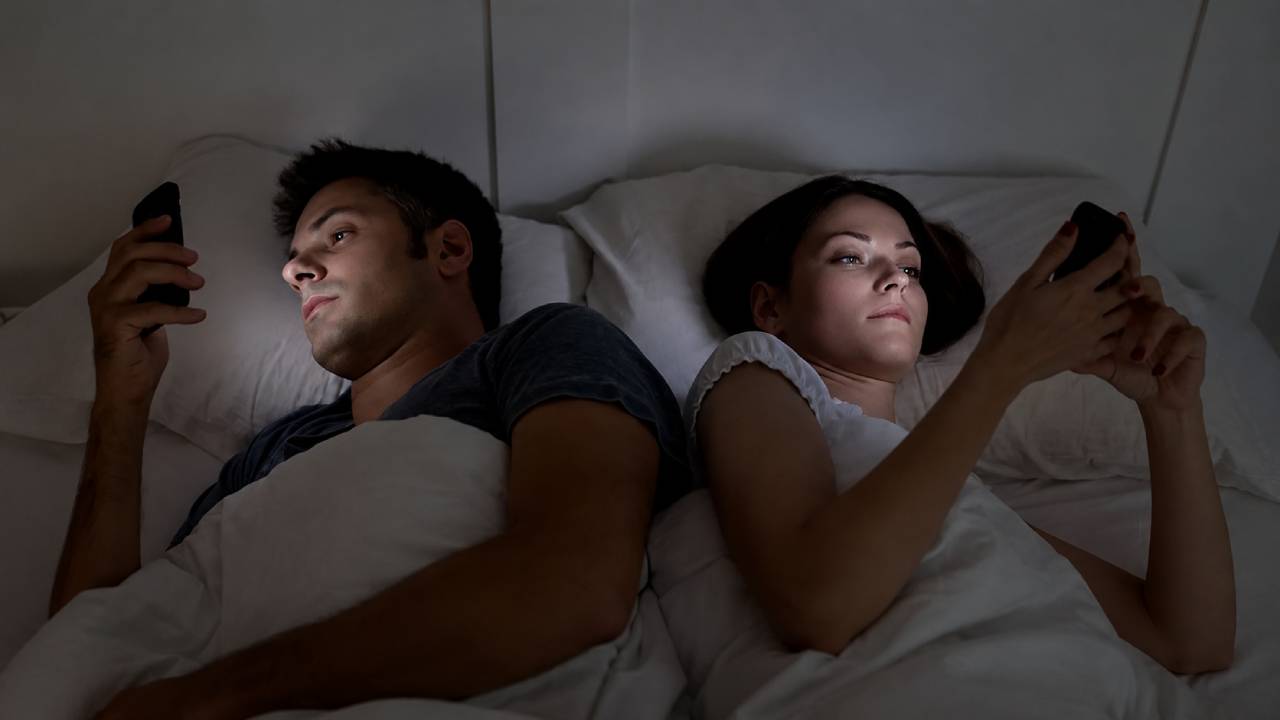
One major problem in modern lifestyles involves excessive blue light exposure from digital devices. Smartphones, tablets, laptops, and televisions all produce blue light that affects melatonin production. Melatonin is the hormone responsible for helping the body feel sleepy at night. Consequently, many people struggle to fall asleep even when they feel physically tired. Because of this issue, sleep specialists recommend reducing screen time before bedtime. Some individuals also use night mode features or blue-light glasses to minimize digital strain. These small changes often improve sleep quality significantly over time.
Night Routines Have Become a Popular Self-Development Trend
Night routines now play a major role in sleep optimization culture. Many productive individuals follow calming nighttime habits before going to bed. These routines often include journaling, meditation, stretching, reading books, or listening to relaxing music. Such activities help the brain transition away from stress and overstimulation. In addition, consistent nighttime habits improve the body’s internal clock naturally. Because of this trend, social media platforms now feature countless creators sharing peaceful evening routines and wellness habits. Interestingly, many people report better focus and emotional stability after adopting these practices regularly.
Read Also: Many People Are Just Realizing This World Fact Has Been Wrong for Years
Productivity Improves When Sleep Quality Gets Better
For many years, society glorified overworking and late-night productivity. However, modern research now highlights the opposite reality. People who sleep well usually perform tasks more efficiently during the day. They also maintain better concentration, decision-making ability, and emotional control. In contrast, poor sleep often reduces creativity and increases mental exhaustion. Because of this, entrepreneurs and professionals now see quality sleep as an important productivity tool. Some companies have even started encouraging healthier work-life balance to improve employee performance and mental wellness.
Technology Is Helping People Optimize Their Sleep
Interestingly, technology itself now supports healthier sleep habits. Many individuals use smartwatches, sleep trackers, and wellness apps to monitor sleep quality. These tools provide insights into sleep duration, heart rate, and recovery patterns. As a result, users better understand how lifestyle habits affect their rest. In addition, smart lighting systems and meditation apps help create more relaxing sleep environments. Many people appreciate these technologies because they make sleep improvement feel more practical and measurable. Consequently, sleep optimization continues growing alongside modern digital innovation.
Sleep Optimization Is Becoming a Long-Term Lifestyle Movement
Sleep optimization no longer feels like a temporary wellness trend. Instead, many people now treat it as a long-term lifestyle investment. Modern society has started realizing that productivity means very little without good mental and physical health. Because of this understanding, healthier sleep habits continue gaining popularity worldwide. Wellness experts also believe future self-development trends will focus more on recovery and emotional balance rather than nonstop hustle culture. Therefore, sleep optimization will likely remain an essential part of modern life for many years to come.