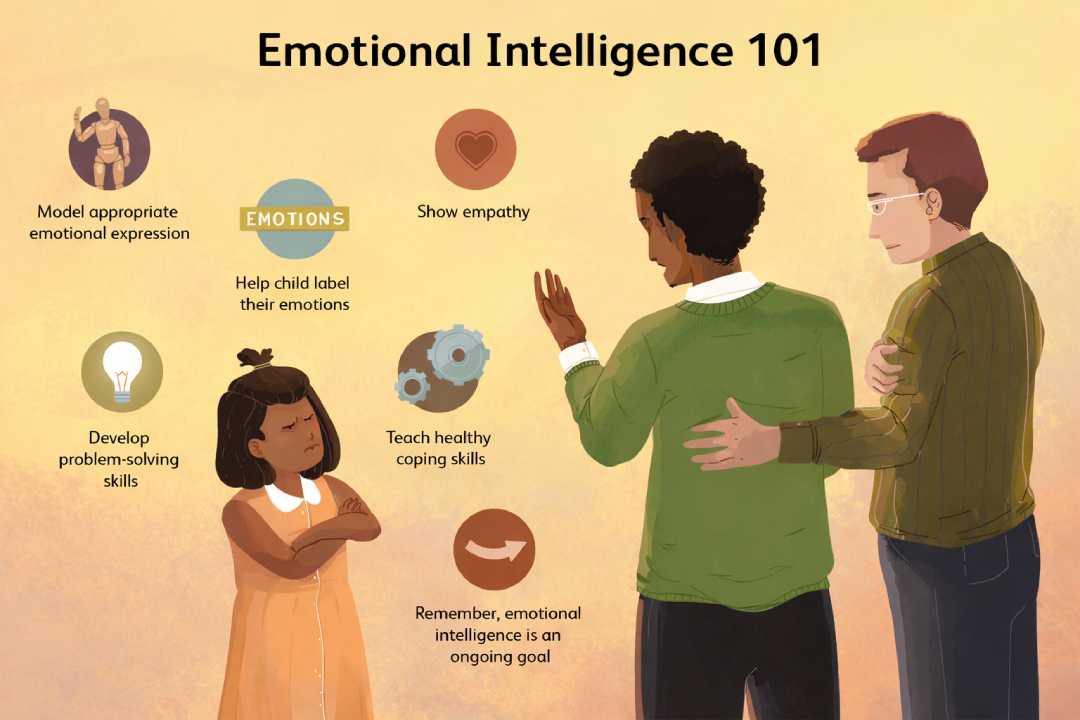
Round Rock Journal – Emotional Education approach has become increasingly relevant in today’s fast-paced world, where emotional well-being often determines how individuals navigate challenges and relationships. While academic success remains important, emotional intelligence plays a crucial role in shaping long-term life outcomes. In many cases, children grow up learning math and science but struggle to understand their own feelings. Therefore, emotional education offers a simple yet powerful solution. From my perspective, it acts as a foundation that helps individuals build resilience, empathy, and self-awareness. As society evolves, this concept is no longer optional but essential for balanced personal development.
“Read Also: Comfortable Boots Tips for Women Over 50 to Stay Stylish and Confident“
Understanding Emotional Education in Everyday Life
The Emotional Education: concept focuses on teaching individuals how to recognize, understand, and manage their emotions in daily situations. Unlike traditional learning, it does not rely on textbooks or formal exams. Instead, it develops through conversations, real-life experiences, and consistent guidance. For instance, when a child learns to express frustration calmly, they gain a skill that will benefit them for life. Moreover, emotional education extends beyond childhood, influencing how adults handle stress and relationships. In my observation, the simplicity of this approach makes it highly effective. Consequently, it can be integrated naturally into family routines and social interactions.
Why Emotional Literacy Matters More Than Ever
In recent years, the importance of the Emotional Education: framework has grown significantly due to rising mental health awareness. Many individuals face anxiety, burnout, and social pressure, which require more than academic knowledge to manage. Emotional literacy helps people respond thoughtfully instead of reacting impulsively. Additionally, studies often highlight that individuals with high emotional intelligence perform better in teamwork and leadership roles. From a practical standpoint, this skill improves communication and decision-making. Therefore, emotional education is not just beneficial but necessary in modern life. It equips individuals with the tools needed to thrive emotionally and socially.
The Role of Parents and Environment in Emotional Growth
The Emotional Education: journey often begins at home, where parents and caregivers play a vital role. Children naturally observe and imitate emotional responses from adults around them. As a result, a supportive environment becomes essential for healthy emotional development. For example, when parents validate a child’s feelings instead of dismissing them, the child learns to process emotions constructively. Furthermore, open communication encourages trust and emotional security. In my opinion, small daily interactions shape a child’s emotional intelligence more than formal lessons. Consequently, families hold the key to building strong emotional foundations from an early age.
Simple Daily Practices That Build Emotional Awareness
One of the strengths of the Emotional Education: approach lies in its simplicity. Small habits, when practiced consistently, can significantly improve emotional awareness. For instance, asking children how they feel and why helps them identify emotions clearly. Additionally, encouraging journaling or storytelling allows individuals to reflect on their experiences. These practices do not require special tools or training. Instead, they rely on consistency and genuine interaction. From my experience analyzing behavioral patterns, these small steps create long-term impact. Therefore, emotional education becomes a natural part of daily life rather than a separate learning process.
Emotional Education and Its Impact on Social Relationships
The Emotional Education: framework plays a crucial role in building healthy relationships. Individuals who understand their emotions are more likely to communicate effectively and empathize with others. As a result, conflicts can be resolved more peacefully. Moreover, emotional awareness helps individuals recognize the feelings of others, which strengthens social bonds. In professional settings, this skill often leads to better teamwork and leadership. From a broader perspective, emotionally intelligent individuals contribute to more harmonious communities. Therefore, emotional education extends beyond personal growth and influences social dynamics as well.
“Read Also: The Motivation of the Partner’s Role in Encouraging Success“
Challenges in Developing Emotional Literacy
Despite its benefits, implementing the Emotional Education: approach can present challenges. Some individuals may find it difficult to express emotions due to cultural or personal barriers. Additionally, a lack of awareness or guidance can limit emotional development. In certain cases, people may suppress emotions instead of addressing them. However, these challenges can be overcome through consistent practice and supportive environments. From an analytical point of view, awareness is the first step toward improvement. Therefore, promoting emotional education requires both patience and understanding. Over time, even small efforts can lead to meaningful progress.
Emotional Education as a Lifelong Skill
Journey does not end in childhood. Instead, it continues throughout life as individuals face new experiences and challenges. Emotional intelligence evolves with age, shaped by personal growth and reflection. For example, adults who practice emotional awareness often handle stress more effectively. Moreover, they tend to make better decisions and maintain healthier relationships. In my view, emotional education should be seen as a lifelong investment. Consequently, it becomes a continuous process of learning and self-improvement that benefits every stage of life.
Why Emotional Education Shapes the Future Generation
Ultimately, the Emotional Education: concept holds the potential to shape future generations in a positive way. As children grow with strong emotional foundations, they become more resilient, empathetic, and adaptable. Furthermore, they are better prepared to face complex social and professional environments. From a societal perspective, this leads to healthier communities and improved well-being. In my opinion, is one of the most valuable skills we can nurture today. Therefore, integrating it into everyday life is a step toward a more balanced and compassionate future.