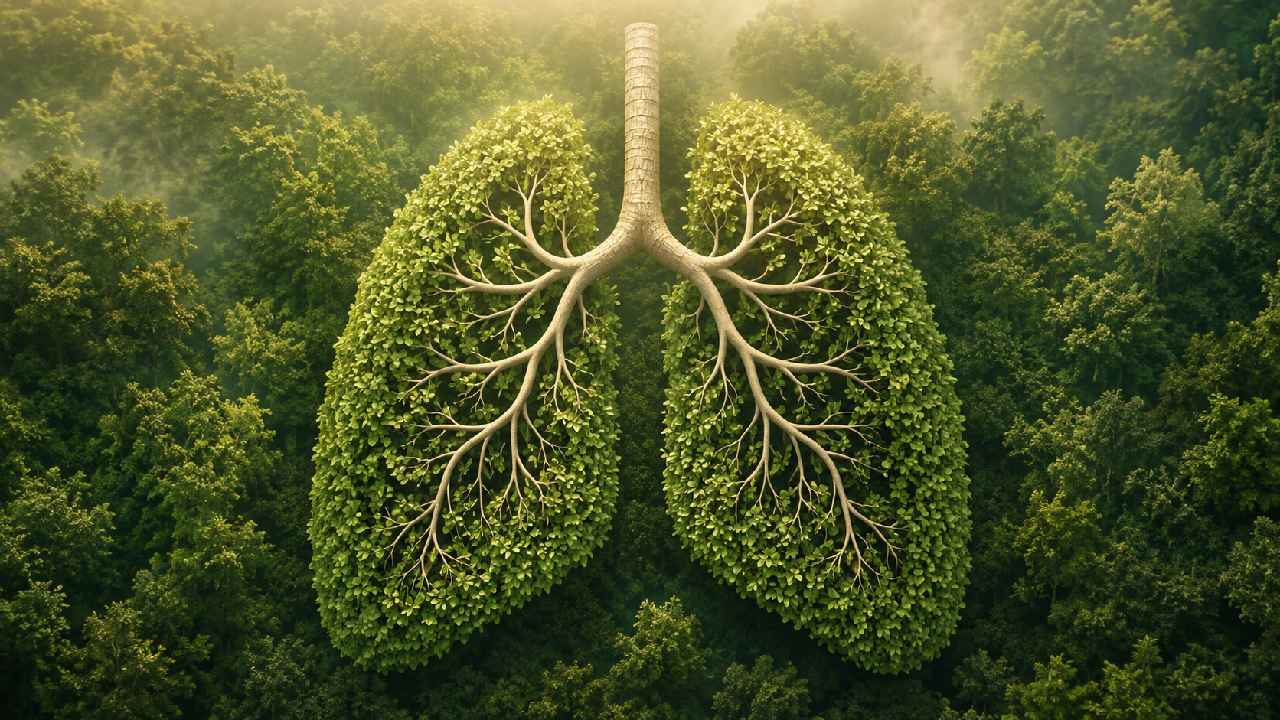
Round Rock Journal – Forests are called the lungs of the Earth because they help regulate gases in the atmosphere. Through photosynthesis, trees absorb carbon dioxide and use sunlight to produce energy. During this natural process, they also release oxygen into the air. However, the comparison with human lungs is not scientifically exact. Lungs take in oxygen and release carbon dioxide, while forests perform a more complex exchange. Even so, the popular phrase remains useful because it highlights the importance of forests. They clean the air, store carbon, influence rainfall, and support countless living organisms. In my view, the phrase succeeds because it makes a complicated ecological role easier to understand. It reminds people that healthy forests support a healthy planet. Therefore, protecting wooded landscapes is not only about saving trees. It is also about protecting the environmental systems that allow communities, wildlife, and future generations to survive.
Read Also: Samsung Galaxy Z Flip 8 Hands-On in London: A Slimmer Foldable with Smarter AI and Everyday Elegance
Photosynthesis Connects Trees With the Atmosphere
Photosynthesis is the main reason forests have such a strong connection with the air around us. Trees take in carbon dioxide through tiny openings in their leaves. Meanwhile, their roots absorb water and minerals from the soil. With energy from sunlight, trees convert these materials into sugars that support growth. Oxygen is then released as part of the process. Nevertheless, forests also use oxygen through respiration, especially during the night. Dead plants also decompose and return some carbon dioxide to the atmosphere. Therefore, a forest does not simply produce endless oxygen without using any. Its real value lies in the balance it helps maintain. Large, healthy forests support ongoing exchanges between soil, plants, animals, and the atmosphere. As a result, they contribute to environmental stability on a regional and global scale. Understanding this process helps readers see forests as active living systems rather than silent collections of trees.
Forests Store Carbon for Many Years
Forests play a major role in slowing climate change because trees can store carbon for long periods. As a tree grows, carbon becomes part of its trunk, branches, roots, and leaves. Forest soil also holds large amounts of organic carbon from fallen plants and decaying material. Consequently, mature forests can act as valuable carbon reservoirs. When forests are cut down or burned, much of that stored carbon may return to the atmosphere. This process can increase greenhouse gas levels and intensify global warming. However, planting new trees does not always replace the ecological value of an old forest. Mature ecosystems often contain richer soil, more wildlife, and larger carbon stores. In my opinion, forest protection should come before simple replacement programs. Reforestation remains useful, but preserving existing forests usually delivers faster environmental benefits. Therefore, strong conservation policies must protect old forests while also restoring damaged landscapes with suitable native species.
Forests Help Regulate the Water Cycle
Forests also influence how water moves through the environment. Tree roots absorb water from the ground, while leaves release moisture through a process called transpiration. This moisture enters the atmosphere and can support cloud formation. In addition, forest canopies slow the impact of heavy rain. Water reaches the soil more gently, which reduces erosion and surface runoff. The roots then help the ground absorb and store moisture. As a result, forested areas often support rivers, springs, and groundwater systems. By contrast, cleared land can become hotter, drier, and more vulnerable to flooding. Water may rush across the surface instead of entering the soil. Therefore, deforestation can create both water shortages and destructive floods. This relationship often surprises readers because trees seem firmly connected to land. Yet they also influence weather and rainfall patterns. Protecting forests can therefore support water security for farms, cities, wildlife, and rural communities.
Forests Provide Homes for Countless Species
Forests are among the richest habitats on Earth. They provide food, shelter, nesting areas, and migration routes for many forms of life. Birds use tree canopies for protection, while insects live inside bark, leaves, and soil. Mammals depend on forest plants and prey, and fungi help break down dead material. Moreover, microorganisms recycle nutrients that allow plants to grow. Each species contributes to the wider ecosystem, even when its role appears small. For example, pollinators help plants reproduce, while predators control animal populations. Therefore, losing one species can affect several others. Forest destruction can also isolate wildlife populations and limit their ability to find food or mates. In my view, biodiversity is one of the strongest reasons to protect forests. A plantation with one tree species cannot fully replace a natural forest. Healthy ecosystems need variety, complexity, and connections between organisms. Without those qualities, the forest becomes less resilient to disease, drought, and climate change.
Forests Support Human Communities and Local Economies
People have depended on forests for thousands of years. Forest landscapes provide fruit, nuts, honey, medicinal plants, timber, fibers, and clean water. Many communities also maintain cultural and spiritual connections with nearby woodland. In addition, forests support jobs in tourism, conservation, sustainable agriculture, and responsible forestry. However, economic activity must be carefully managed. Removing resources faster than nature can replace them creates short-term profit but long-term damage. Sustainable management offers a better approach. It allows communities to use forest products while protecting soil, water, and wildlife. Furthermore, local knowledge can improve conservation because residents often understand seasonal changes and native species. In my opinion, forest protection works best when communities receive practical benefits from keeping ecosystems healthy. Strict rules alone may fail when people have no secure livelihood. Therefore, fair economic opportunities, clear land rights, and responsible resource use should form part of every serious conservation strategy.
Deforestation Weakens the Planet’s Natural Defenses
Deforestation remains one of the greatest threats to forest ecosystems. Land is often cleared for agriculture, mining, roads, housing, or commercial development. Wildfires and illegal logging can also destroy large areas in a short time. Once trees disappear, exposed soil loses moisture and becomes easier to erode. Local temperatures may rise, while wildlife loses food and shelter. Moreover, damaged forests become less effective at storing carbon and regulating water. These changes can continue long after the first trees are removed. For instance, roads may divide habitats and allow further development deeper into the forest. Therefore, the impact of deforestation reaches beyond the cleared area. It can affect nearby rivers, farms, cities, and weather patterns. From a practical perspective, prevention is often less expensive than repairing severe ecological damage. Governments, companies, and consumers all influence the outcome. Better land planning and transparent supply chains can reduce pressure on vulnerable forests.
Read Also: Don’t Wait for the Perfect Time, Start Today
The World’s Oxygen Does Not Come From Forests Alone
Although forests are called the lungs of the Earth, they are not the planet’s only oxygen source. Oceans also play a crucial role through microscopic organisms called phytoplankton. These organisms perform photosynthesis and release oxygen into the atmosphere. However, both forests and oceans also consume oxygen through respiration and decomposition. This means the global oxygen cycle is more complex than a simple production chart. The phrase “lungs of the Earth” should therefore be understood as a helpful metaphor, not a complete scientific definition. Even so, forests remain essential because they store carbon, regulate water, protect soil, and support terrestrial biodiversity. Their importance does not depend on being the largest oxygen producer. In fact, focusing only on oxygen can hide many of their most valuable functions. A better explanation shows how forests connect several natural systems at once. Therefore, readers should appreciate forests as climate regulators, water managers, wildlife habitats, and living carbon stores.
Forest Conservation Requires More Than Planting Trees
Tree planting can support environmental recovery, but it must be done carefully. A successful project uses native species that suit the local climate and soil. It also protects young trees until they can survive without constant support. By contrast, planting a single fast-growing species may create a plantation rather than a healthy forest. Such landscapes can store some carbon, yet they often support fewer animals and plants. In addition, conservation must address the causes of forest loss. These causes may include illegal logging, weak land rights, harmful farming practices, or uncontrolled development. Therefore, planting campaigns should work alongside stronger protection and better land management. Individuals can also help by reducing waste, choosing responsibly sourced products, and supporting credible conservation programs. In my view, meaningful progress comes from long-term care rather than impressive planting numbers. A forest needs time, diversity, healthy soil, and protection before it can develop into a resilient ecosystem.
Healthy Forests Protect Life Far Beyond Their Borders
The importance of forests extends far beyond the trees themselves. A healthy forest can cool nearby areas, protect watersheds, store carbon, and support food systems. It can also reduce erosion and provide safe habitats for wildlife. As a result, people living far from the forest may still benefit from its services. This wider influence explains why forest conservation requires international attention. At the same time, local action remains essential because every forest has different species, communities, and environmental pressures. There is no single solution that works everywhere. However, protecting natural forests, restoring damaged land, and reducing unnecessary consumption are practical starting points. Forests are called the lungs of the Earth because they symbolize the planet’s ability to breathe, renew, and remain balanced. More importantly, they remind us that human life depends on systems we do not always see. Protecting those systems is a shared responsibility that cannot be delayed.