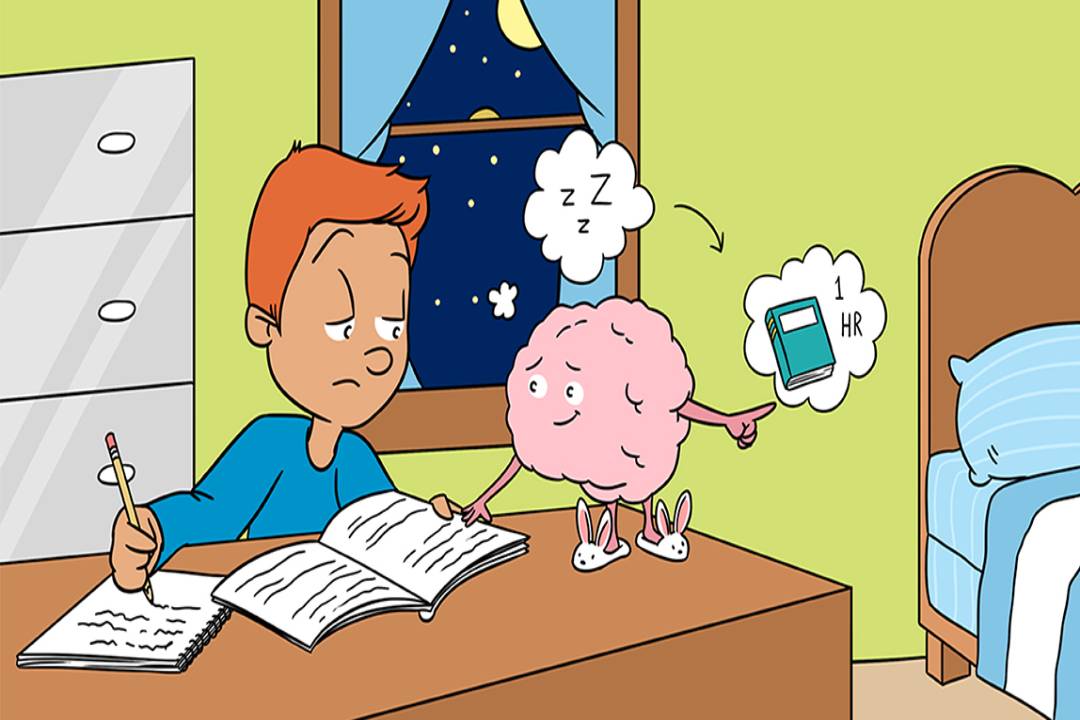
Round Rock Journal – How Your Brain Really Learns: Simple Science for Everyday Study explores the fascinating science behind how we process and retain information. Understanding this can make all the difference in improving the way we learn, whether for exams, new skills, or general knowledge. From my perspective, learning isn’t just about hard work—it’s about working smarter. By aligning your study habits with how your brain functions, you can maximize your retention and minimize effort. This article will break down the science in simple terms so you can apply it to your daily life.
“Read Also: The Truth Behind Motivation and Why We Keep Procrastinating“
The Science Behind Memory: How We Remember and Forget
How Your Brain Really Learns: Simple Science for Everyday Study starts with understanding memory. Our brains process information in two stages: short-term and long-term memory. Short-term memory holds onto information for just a few seconds to a minute, while long-term memory stores it for much longer. From an educational standpoint, the key to moving information from short-term to long-term memory lies in repetition and active engagement. Personally, I’ve found that revisiting material through spaced repetition is one of the best ways to solidify information in long-term memory.
Why Active Learning is More Effective Than Passive Reading
One of the biggest myths in learning is that simply reading something will make it stick. In reality, How Your Brain Really Learns: Simple Science for Everyday Study shows that active learning is far more effective. Active learning involves engaging with the material—whether it’s through summarizing, questioning, or teaching the content. From my experience, the brain absorbs information better when we make it actively work. This is why methods like self-quizzing or teaching someone else are proven to be more effective than rereading notes passively.
The Role of Sleep in Learning and Retention
Sleep plays a critical role in how well we retain information. How Your Brain Really Learns: Simple Science for Everyday Study reveals that when we sleep, our brains consolidate memories, transferring information from short-term to long-term storage. Personally, I’ve noticed that after a good night’s rest, my ability to recall information improves significantly. This shows just how important it is to get quality sleep, especially before an exam or after learning something new. Studies have shown that sleep is as important as the time spent studying when it comes to long-term retention.
Why Stress Can Hinder Your Learning Process
Stress has been shown to negatively affect memory and cognitive function. When we’re stressed, our brains release cortisol, a hormone that can impair the brain’s ability to retain information. How Your Brain Really Learns: Simple Science for Everyday Study emphasizes the importance of staying relaxed while learning. Personally, I’ve found that practicing mindfulness techniques or taking breaks to stretch and breathe can help reduce stress and keep my focus sharp. Learning in a calm, relaxed state is essential for optimal brain function.
How Multitasking Impacts Your Learning
Multitasking may seem like an efficient way to get things done, but How Your Brain Really Learns: Simple Science for Everyday Study shows that it hinders learning. The brain cannot focus on multiple tasks at once, and switching between them causes cognitive overload. From my perspective, focusing on one task at a time improves productivity and retention. Eliminate distractions, and dedicate specific time blocks for studying, so your brain can fully process and retain the material
The Power of Emotional Engagement in Learning
How Your Brain Really Learns: Simple Science for Everyday Study also delves into how emotions influence learning. When we are emotionally engaged, the brain releases dopamine, which makes us more likely to retain information. From my experience, when I find personal meaning in what I’m learning, it sticks with me longer. This is why stories, analogies, or even emotional experiences are often better remembered than dry facts. Emotional engagement helps the brain connect and organize information in a way that makes it easier to recall later.
“Read Also: SpaceX and xAI Merge at $1.25 Trillion Valuation: A“
Why Spacing Out Study Sessions Improves Retention
Spaced repetition is a technique that works in harmony with how our brain learns. How Your Brain Really Learns: Simple Science for Everyday Study emphasizes that spreading out study sessions over time leads to better long-term retention. When we cram all the material into one session, we tend to forget most of it quickly. However, if we review the material periodically, our brains have more time to consolidate the information into long-term memory. I’ve found that planning study sessions ahead of time and reviewing material consistently is one of the most effective study habits.
How Taking Breaks Boosts Learning Efficiency
Taking breaks during study sessions may seem counterintuitive, but How Your Brain Really Learns: Simple Science for Everyday Study proves that they’re essential for improving learning efficiency. The brain can only focus for a limited period before it becomes fatigued. From personal experience, I’ve found that working in intervals—such as using the Pomodoro Technique (study for 25 minutes, break for 5)—helps me stay focused and productive. Breaks allow the brain to rest and process what it’s learned, leading to better retention and understanding.
How to Use the Science of Learning to Improve Study Habits
How Your Brain Really Learns: Simple Science for Everyday Study shows that using proven learning techniques can drastically improve your study habits. From active learning to spaced repetition, the strategies outlined above can help you work smarter, not harder. Personally, I recommend incorporating a mix of techniques into your routine—such as active recall, spaced repetition, and emotional engagement with the material. By tailoring your study habits to how your brain learns best, you’ll improve retention, reduce stress, and achieve better results.