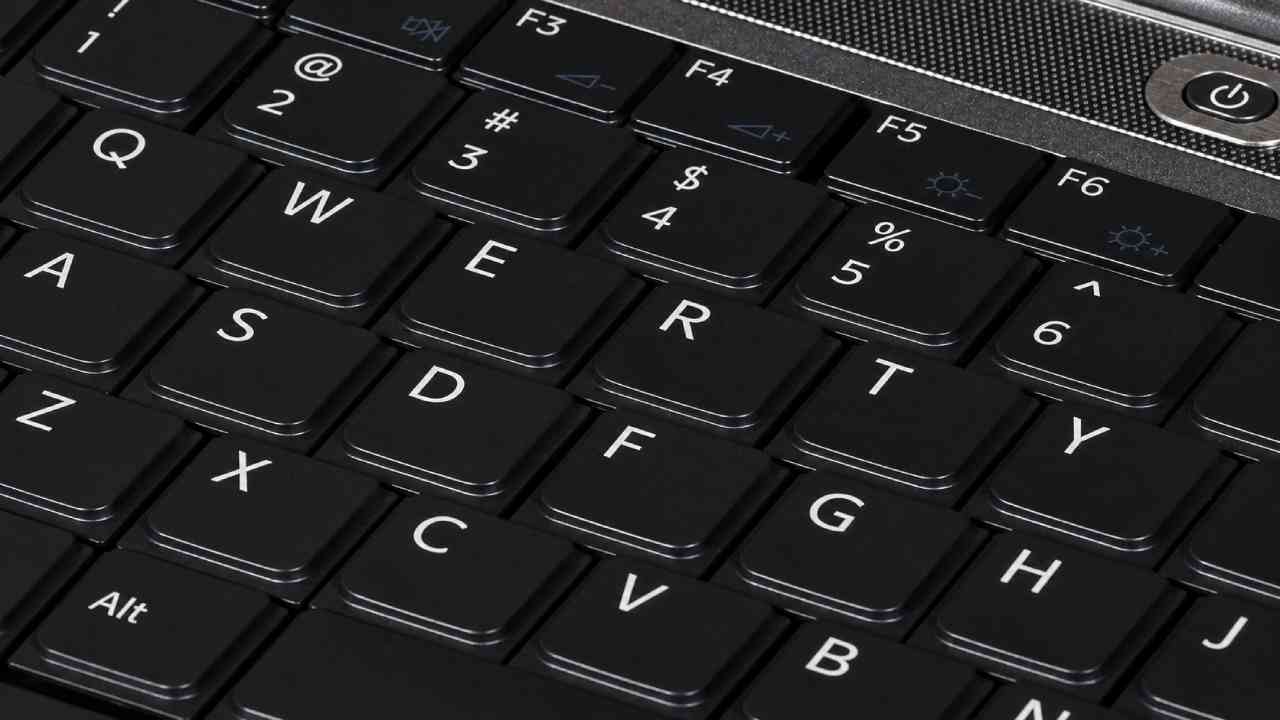
Round Rock Journal – Keyboards remain essential tools in modern life, yet their familiar QWERTY layout comes from the nineteenth century. From office computers to smartphones, the same letter arrangement appears almost everywhere. However, many people rarely question why the keys follow this unusual pattern. Instead of alphabetical order, the top letter row begins with Q, W, E, R, T, and Y. This design originally developed alongside mechanical typewriters. Over time, it became familiar to millions of users. Moreover, schools and workplaces helped establish QWERTY as a common standard. Today, its popularity reflects both technological history and human habits. Understanding this story reveals why some old inventions remain surprisingly relevant.
The Fascinating History Behind the QWERTY Keyboard
The history of QWERTY begins with early typewriter development. American inventor Christopher Latham Sholes worked with other developers to improve mechanical writing machines. During the nineteenth century, these devices relied on physical mechanisms to print letters onto paper. Consequently, arranging the keys required careful experimentation. Early designs changed as inventors explored more practical typing systems. In 1873, Remington acquired manufacturing rights to the Sholes typewriter design. The company introduced a commercial model in 1874. Although its arrangement differed from today’s standardized keyboards, it helped establish the QWERTY tradition. As typewriters became more common, users gradually learned the new layout. This development created the foundation for modern computer keyboards.
Why Early Typewriters Needed a Different Letter Arrangement
Early typewriters worked differently from modern electronic keyboards. Pressing a key activated a mechanical component that struck an inked ribbon against paper. However, these moving parts sometimes interfered with one another. Designers therefore explored different arrangements to improve mechanical operation and typing reliability. The exact reasons behind QWERTY’s development remain a subject of historical discussion. Some explanations emphasize mechanical limitations, while others examine communication practices and early typing needs. Nevertheless, the layout emerged through practical experimentation rather than a single proven design rule. Over time, manufacturers refined their machines and typing systems. As a result, the arrangement became closely associated with commercial typewriters.
Read Also: Muslim Politicians Make History in the 2026 US Midterm Elections
Was QWERTY Designed to Make People Type Slower?
One popular story claims that QWERTY was deliberately created to slow down typists. According to this explanation, slower typing helped prevent mechanical typewriter jams. However, historians have not established this claim as a complete explanation. Early typewriter development involved several technical and commercial considerations. Furthermore, the relationship between letter placement and typing speed is more complicated than it first appears. Different users develop different habits and finger movements. Therefore, a keyboard layout cannot be judged by a single historical assumption. QWERTY’s origins are better understood as part of an evolving technological process. Its survival also reflects widespread adoption rather than proof that it offers the fastest possible arrangement.
How QWERTY Became the Standard for Modern Keyboards
The success of QWERTY depended on more than its original design. As typewriters entered offices, businesses needed workers who could operate them efficiently. Consequently, typing schools began teaching familiar keyboard arrangements. Employees gained experience with these systems, while companies invested in compatible equipment. This created a powerful cycle of adoption. The more people learned QWERTY, the more practical it became for manufacturers to support it. Meanwhile, alternative arrangements faced the challenge of attracting experienced users. Economists describe similar situations through the concept of path dependence. In simple terms, earlier choices can influence later technology decisions. Therefore, QWERTY became established through a combination of training, familiarity, and commercial success.
Why Computer Manufacturers Continued Using QWERTY
When computers became popular, manufacturers faced an important design decision. They could introduce completely new keyboard arrangements or preserve familiar ones. Unsurprisingly, most continued using QWERTY. This choice helped experienced typists move from typewriters to computers. Moreover, it reduced the learning effort required for everyday users. Software developers also designed applications around established keyboard conventions. Over time, common shortcuts and typing habits reinforced the familiar layout. As a result, QWERTY remained practical even after mechanical typewriter limitations disappeared. Its continued use demonstrates how familiarity can influence technological development. Sometimes, keeping an existing standard offers more immediate benefits than replacing it.
Are Alternative Keyboard Layouts Better Than QWERTY?
Although QWERTY dominates many markets, alternative keyboard layouts exist. The Dvorak layout places many frequently used English letters along the home row. Meanwhile, Colemak changes selected key positions while preserving several familiar QWERTY features. These designs aim to improve finger movement and typing comfort. However, their advantages depend on individual needs, language, and practice. Research does not establish one layout as universally fastest for everyone. Additionally, switching layouts requires time and consistent training. Experienced QWERTY users may initially type more slowly when learning an alternative. Therefore, choosing a keyboard layout involves more than theoretical efficiency. Comfort, accessibility, and personal experience also matter.
How Smartphones Helped Preserve the QWERTY Tradition
Smartphones introduced a new chapter in keyboard history. Unlike traditional typewriters, touchscreen devices can display almost any letter arrangement. Nevertheless, QWERTY remains a familiar default on many phones. Users already recognize its layout from computers and other devices. Furthermore, digital features make typing easier without changing the basic arrangement. Autocorrect, word prediction, and swipe typing help users enter text more efficiently. Meanwhile, customizable keyboards allow people to explore different languages and layouts. This flexibility highlights an interesting contradiction. Modern technology makes alternative arrangements easier to create, yet familiarity keeps QWERTY popular. As a result, a nineteenth-century design continues to influence everyday digital communication.
Why Changing Keyboard Layouts Remains Difficult Today
Changing a familiar keyboard layout involves more than moving letters. Consider someone who has used QWERTY for several years. Their fingers may automatically reach familiar keys without conscious thought. However, a different arrangement interrupts these learned movements. Consequently, the person must invest time in developing new typing habits. Businesses also face practical challenges when introducing unfamiliar systems. Training, equipment compatibility, and employee preferences can affect adoption. Additionally, keyboard shortcuts may become less intuitive during the transition. These factors help explain why established standards often remain popular. Even when alternatives offer potential benefits, the effort required to switch can discourage widespread change.
What the Future Holds for Keyboards and Typing Technology
The future of keyboards may involve more customization rather than one universal replacement. Voice recognition, gesture controls, and artificial intelligence already provide alternative ways to enter information. Meanwhile, ergonomic keyboards offer different physical shapes to support individual comfort. However, traditional typing remains useful for writing, programming, and professional communication. QWERTY also benefits from generations of user familiarity. Therefore, it may continue alongside emerging input technologies for years to come. Its history offers a valuable lesson about innovation. New technology does not always eliminate older designs. Sometimes, established habits and practical compatibility allow familiar tools to remain relevant long after their original purpose changes.