Round Rock Journal – Understanding an Algorithm and Why Do We use it every day may sound like a technical topic. However, algorithms are much closer to daily life than many people realize. They help navigation apps find faster routes, streaming platforms suggest films, and email services detect spam. Even a cooking recipe follows the basic logic of an algorithm because it contains clear steps that lead to a specific result. Therefore, algorithms are not limited to programmers or computer scientists. They are practical systems that organize information, solve problems, and help people make decisions more efficiently.
Read Also: China AI Video Depicting Filipinos as Monkeys Triggers Diplomatic Outrage in Manila
Understanding the Basic Meaning of an Algorithm
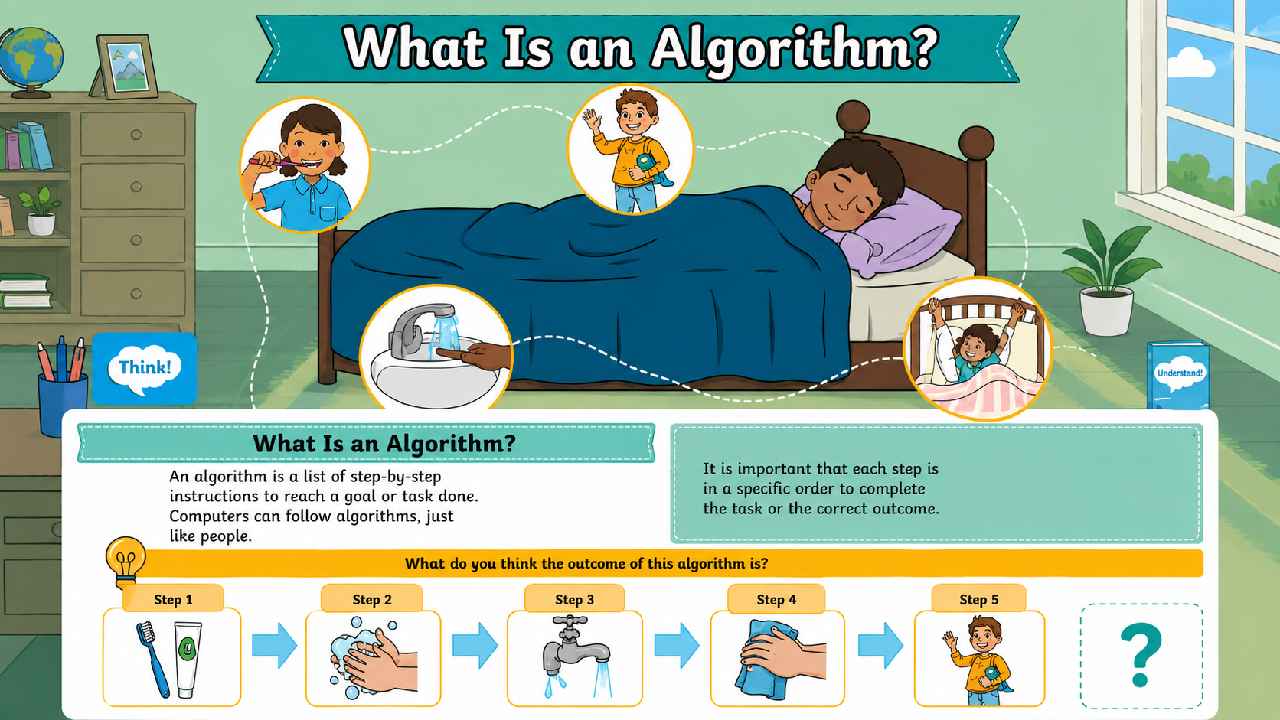
An algorithm is a sequence of instructions designed to complete a task or solve a problem. Each instruction must follow a logical order so the process can produce the expected result. For example, preparing a cup of coffee involves boiling water, measuring coffee, pouring the water, and waiting before serving. When these steps happen in the correct order, the result is predictable. Computers follow the same principle, although their instructions can be far more detailed. In simple terms, an algorithm acts like a digital roadmap. It tells a system where to begin, what actions to take, and when to stop. This clear structure allows computers to process information quickly and consistently.
How Algorithms Turn Input into Useful Output
Most algorithms work through three basic stages: input, processing, and output. First, a system receives information. Next, the algorithm applies specific rules to that information. Finally, it produces a result. A weather application offers a clear example. It receives a location as input, processes data from weather stations, and displays a forecast as output. Likewise, a calculator receives numbers and mathematical instructions before showing an answer. Although advanced systems may perform millions of operations, the basic pattern remains similar. This simple structure helps explain an Algorithm and Why Do We depend on it across many digital services. Without organized processing, computers would struggle to turn raw data into useful information.
Everyday Activities That Follow Algorithmic Thinking
People often use algorithmic thinking without noticing it. A morning routine usually follows a sequence, such as waking up, showering, preparing breakfast, and leaving for work. Similarly, assembling furniture requires following ordered instructions. Even choosing the shortest supermarket queue involves comparing available options before making a decision. These actions resemble algorithms because they follow steps, evaluate conditions, and aim for an efficient outcome. Therefore, learning about algorithms does not require advanced mathematics at the beginning. The concept already exists in ordinary habits. Once people recognize this pattern, computer algorithms become easier to understand. They are simply more formal and precise versions of problem-solving methods used in daily life.
Why Search Engines Depend on Complex Algorithms
Search engines use algorithms to organize enormous amounts of online information. When someone types a question, the search engine does not review every webpage manually. Instead, it analyzes the words, identifies the likely intent, and compares billions of indexed pages. It then ranks the pages based on factors such as relevance, usefulness, authority, and user experience. This entire process happens within seconds. As a result, users can find answers without searching through the internet page by page. Search algorithms also continue changing because language, websites, and user behavior evolve. Therefore, content creators must focus on clear, helpful, and trustworthy information rather than trying to manipulate rankings with repeated keywords.
How Social Media Algorithms Shape What We See
Social media platforms use algorithms to decide which posts appear in each user’s feed. The system may consider previous likes, comments, viewing time, followed accounts, and shared content. It then predicts which posts are most likely to hold the user’s attention. This process creates a personalized experience, but it also affects how people discover information. Two users may open the same platform and see completely different content. In my view, this is one of the clearest examples of an Algorithm and Why Do We need to understand its influence. Algorithms can make platforms more relevant, yet they may also create narrow information bubbles. Therefore, users should actively explore different sources instead of relying only on automatic recommendations.
The Role of Algorithms in Online Shopping
Online stores use algorithms to improve product discovery and simplify purchasing decisions. These systems analyze browsing history, previous purchases, saved items, and similar customer behavior. Based on that data, they recommend products that may match the user’s interests. Algorithms also help stores manage inventory, detect unusual transactions, estimate delivery times, and adjust search results. However, recommendations are not always perfect. A user may receive repeated suggestions for an item they already purchased or no longer need. This happens because algorithms rely on available data rather than complete human understanding. Even so, they remain valuable tools because they reduce the time needed to browse thousands of products.
How Navigation Apps Find Faster Routes
Navigation applications provide a practical example of algorithms working in real time. When a user enters a destination, the system compares multiple possible routes. It considers distance, estimated travel time, traffic conditions, road closures, and accidents. Then, it selects the route that appears most efficient. If traffic changes during the journey, the application may calculate a new path. This constant adjustment shows how modern algorithms can respond to changing information. Before digital navigation became common, drivers often relied on paper maps and personal knowledge. Today, route-finding algorithms can analyze conditions across a large area within seconds. Consequently, they help save time, reduce confusion, and improve travel planning.
Algorithms as the Foundation of Artificial Intelligence
Artificial intelligence depends heavily on algorithms. Traditional algorithms follow fixed instructions, while machine-learning algorithms can identify patterns from data. For example, an image-recognition system studies many labeled pictures before learning how to identify objects. A translation tool analyzes large collections of language examples to improve its results. Meanwhile, recommendation systems compare user behavior to predict future preferences. These systems do not think exactly like humans. Instead, they calculate probabilities based on patterns. Therefore, AI performance depends on the quality of its data and design. Understanding an Algorithm and Why Do We use it in AI also helps people recognize both the strengths and limits of automated systems.
Read Also: Learning to Embrace Every Moment Without Rushing Through Life
Why Algorithms Can Produce Biased Results
Algorithms are not automatically neutral. Humans choose the data, rules, and goals used to build them. If the training data contains unfair patterns, the algorithm may repeat or even strengthen those patterns. For instance, a hiring system trained on limited historical data may favor certain types of candidates. Similarly, a facial-recognition tool may perform poorly when its dataset lacks diversity. Therefore, developers must test systems carefully and review unexpected outcomes. Transparency also matters because users should understand when automated decisions affect them. In my opinion, responsible algorithm design requires more than technical skill. It also requires ethical judgment, regular evaluation, and clear accountability.
Why Understanding Algorithms Matters Today
Learning the basic logic of algorithms helps people become more informed digital users. It explains why certain videos appear, how search results are ranked, and why online stores recommend specific products. This knowledge also encourages healthy skepticism. Users can ask whether a recommendation reflects genuine relevance or commercial goals. Moreover, algorithmic thinking improves problem-solving because it teaches people to divide complex tasks into smaller steps. Students, workers, business owners, and content creators can all benefit from this skill. Therefore, understanding algorithms is no longer useful only for people working in technology. It has become part of modern digital literacy.
The Future of Algorithms in Daily Life
Algorithms will likely play an even greater role in healthcare, transportation, finance, education, and public services. Medical systems may help professionals analyze scans or identify health risks earlier. Smart cities may use algorithms to manage traffic, energy, and waste more efficiently. Meanwhile, personalized learning platforms may adjust lessons to each student’s progress. These developments can create real benefits, but they also raise questions about privacy, fairness, and human oversight. For that reason, society must balance innovation with responsible use. The discussion around an Algorithm and Why Do We rely on it will continue as digital systems become more powerful. Algorithms will remain valuable tools, yet human judgment should still guide their purpose and impact.