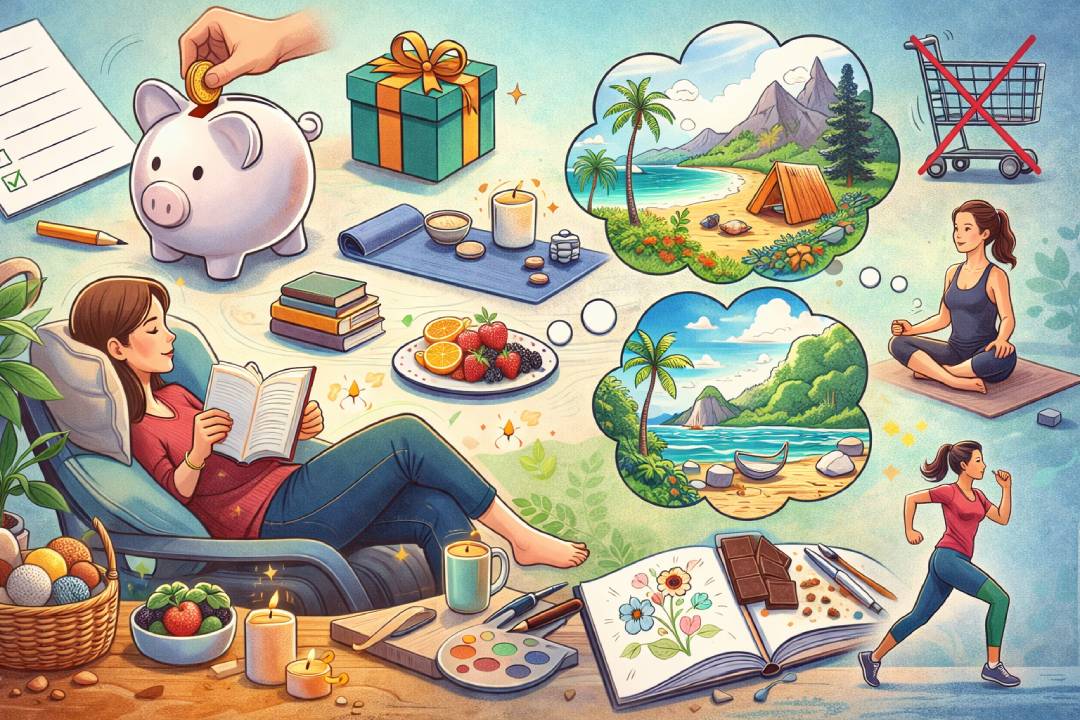
Round Rock Journal – How to Reward Yourself without falling into impulsive habits is a skill many people underestimate, especially in a world where “treat yourself” has become a daily slogan. Rewards are important because they keep motivation alive and help us celebrate progress. However, rewards can quietly turn into impulsive habits when they are used as emotional escape instead of intentional appreciation. The line is thin, and most people only realize it after the pattern becomes expensive, unhealthy, or mentally exhausting. That is why learning to reward yourself with awareness is not just about discipline, but also about emotional intelligence.
“Read Also: Microlearning The Future of Efficient and Flexible Education“
Why Rewards Matter More Than Most People Realize
How to Reward Yourself starts with understanding that rewards are not a luxury. They are part of how the brain stays motivated. In psychology, rewards strengthen behavior, which is why we naturally look for something enjoyable after hard work. Without rewards, many people burn out faster because everything feels like effort with no emotional payoff. However, the problem begins when rewards are random, excessive, or disconnected from the actual progress. In other words, rewarding yourself is healthy, but only when it matches the moment and supports your long-term goals.
The Hidden Difference Between Rewarding and Escaping
How to Reward Yourself becomes tricky when rewards turn into emotional avoidance. For example, buying something expensive after a stressful day might feel like self-care, yet it is often self-soothing through consumption. Similarly, overeating or binge-watching may feel comforting, but it can be a way to avoid discomfort instead of processing it. Rewards should feel like celebration, not like hiding. Once you understand this difference, you can catch impulsive habits earlier. That awareness alone can change the way you treat yourself, especially during stressful seasons.
Why Impulsive Habits Feel So Good in the Moment
How to Reward Yourself also requires understanding why impulsive habits are so addictive. Impulses deliver instant dopamine, which is the brain’s “quick relief” chemical. The brain loves fast pleasure because it reduces stress immediately. However, that relief often comes with regret later. This is why impulsive spending, scrolling, or snacking feels good at first but draining afterward. The brain remembers the instant reward, not the long-term consequence. Therefore, learning healthier reward systems is essentially learning how to manage dopamine without letting it manage you.
Setting Reward Rules That Feel Kind, Not Punishing
How to Reward Yourself becomes easier when you create simple personal rules that do not feel like punishment. Many people fail because they set extreme restrictions. They treat rewards like forbidden objects, which only increases temptation. Instead, rewards should be planned, balanced, and emotionally satisfying. For example, you can reward yourself after completing a meaningful milestone, not just after surviving a random stressful day. This creates a healthier emotional loop. You still get pleasure, but now it is connected to progress, not impulse.
Choosing Rewards That Support Your Future Self
How to Reward Yourself becomes powerful when you choose rewards that your future self will thank you for. This does not mean every reward must be productive. It means it should not sabotage your goals. For instance, a relaxing massage supports your body, while an impulse shopping spree might damage your finances. Likewise, a quiet coffee date with yourself supports your mental space, while binge-eating might create guilt. The best rewards feel good twice: once in the moment, and again later when you realize you made a smart choice.
“Read Also: Desperate Search for Nancy Guthrie Nears 2 Weeks as“
Building a Reward System That Matches Your Personality
How to Reward Yourself should never be one-size-fits-all. Some people feel rewarded by experiences, while others feel rewarded by comfort or creativity. If you are an ambitious person, you might enjoy rewards that feel like “upgrades,” such as better tools, books, or learning opportunities. Meanwhile, if you are emotionally exhausted, your rewards might need to be restful, such as sleep, nature walks, or social connection. When your reward system matches your personality, it becomes sustainable. Most importantly, it stops feeling like you are forcing discipline and starts feeling like you are designing a better life.
How Small Rewards Can Be More Powerful Than Big Ones
How to Reward Yourself does not always require big gestures. In fact, small rewards are often more effective because they can happen consistently. A five-minute break, a favorite song, or a short walk can reset your mood without triggering impulsive habits. Big rewards, on the other hand, sometimes create dependency. You may start believing that you need expensive pleasure to feel okay. That belief is dangerous because it trains your brain to demand more stimulation over time. Therefore, small rewards keep your motivation steady and protect you from lifestyle inflation.
The Most Sustainable Reward Is Feeling Proud of Yourself
How to Reward Yourself reaches its healthiest form when the reward is not always external. External rewards are useful, yet internal rewards are what truly create long-term stability. Feeling proud, feeling capable, and feeling aligned with your values is deeply satisfying. This kind of reward does not cost money, does not harm your health, and does not create regret. It also strengthens self-trust, which is one of the most underrated forms of emotional wealth. Once you begin rewarding yourself through self-respect, impulsive habits lose their grip because you no longer need quick fixes to feel worthy.