Round Rock Journal – Wellnessmaxxing When Productivity Starts Replacing Inner Peace is more than a trending phrase on social media. It represents a cultural shift in how people approach self-development. Over the past year, especially in early 2026, I have observed a growing obsession with maximizing every aspect of life. From 5 a.m. morning routines to back-to-back productivity systems, many individuals now treat self-care like a performance metric. At first glance, this trend appears inspiring. However, beneath the aesthetic routines and motivational quotes lies a deeper question: are we improving ourselves, or are we quietly exhausting ourselves? In this article, we will explore how wellnessmaxxing emerged, why it resonates with modern audiences, and where the line between growth and burnout begins to blur.
“Read Also: Banking Trends 2026: How AI Is Redefining Profit and“
The Rise of a Hyper-Optimized Lifestyle
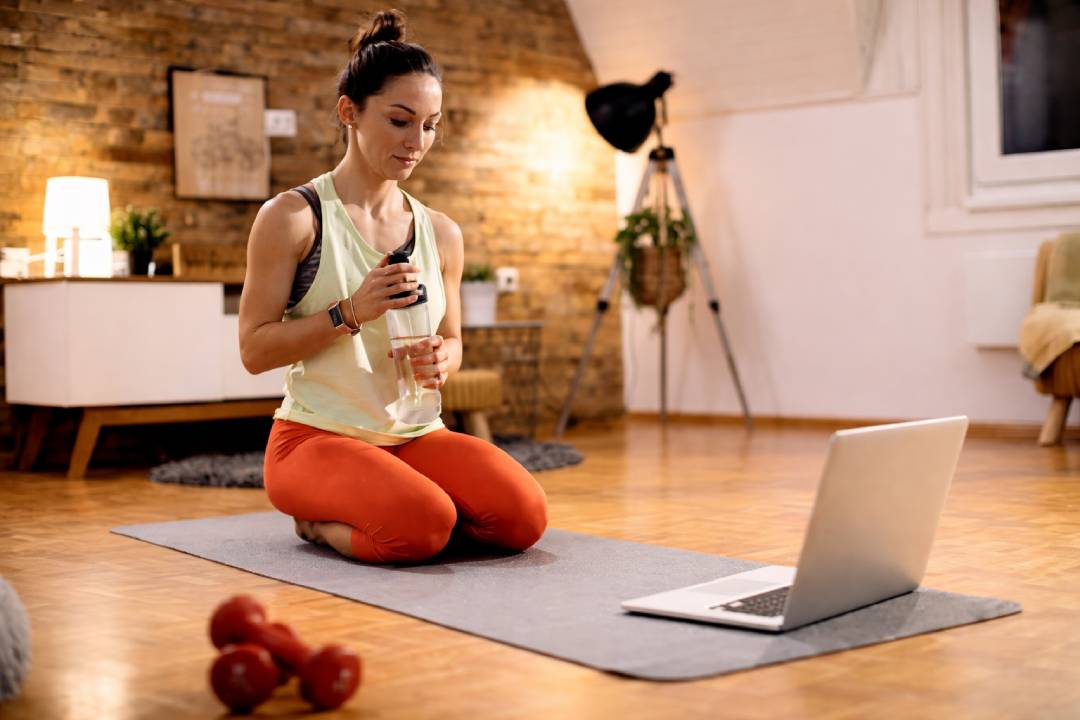
Wellnessmaxxing did not appear overnight. Instead, it evolved alongside hustle culture and digital self-improvement movements. As productivity apps, habit trackers, and motivational content became widely accessible, optimizing life felt achievable. Consequently, people began stacking habits—meditation, journaling, cold showers, intense workouts—all before sunrise. Social media amplified these routines, making them appear normal and attainable. However, comparison quickly followed inspiration. When everyone seems to be maximizing their potential, it becomes difficult to slow down. Therefore, wellness gradually transforms into competition. This hyper-optimized lifestyle promises control and achievement, yet it often demands relentless consistency.
Social Media and the Performance of Self-Improvement
Social media plays a significant role in shaping Wellnessmaxxing: When Productivity Starts Replacing Inner Peace. Platforms reward visually appealing routines and measurable results. As a result, self-improvement becomes performative. Morning routine videos, productivity dashboards, and perfectly curated planners create a subtle pressure to match those standards. Furthermore, algorithms favor extreme dedication, not moderation. Therefore, balanced lifestyles rarely go viral. Over time, individuals internalize these expectations. Instead of asking what feels sustainable, they ask what looks impressive. While visibility can inspire positive change, it can also distort reality. In many cases, we see the highlight reel, not the emotional cost behind it.
The Psychology Behind Habit Stacking
Habit stacking, a core element of wellnessmaxxing, is grounded in behavioral science. Research suggests that linking new habits to existing routines increases adherence. For example, meditating after brushing your teeth builds consistency. However, problems arise when habit stacking becomes excessive. Instead of adding one sustainable habit, individuals add five at once. Initially, this feels empowering. Nevertheless, cognitive overload eventually appears. When routines become rigid, flexibility disappears. In my experience analyzing behavioral patterns, the most effective growth comes from gradual implementation. Sustainable self-development is less about intensity and more about rhythm.
When Productivity Replaces Peace
The central concern within Wellnessmaxxing: When Productivity Starts Replacing Inner Peace lies in its unintended consequences. At its core, wellness should promote balance and recovery. Yet, when productivity dominates, rest becomes guilt-inducing. Missing a workout or skipping journaling feels like failure. Over time, this mindset fosters anxiety rather than peace. Ironically, a movement designed to enhance well-being can undermine it. Furthermore, the body responds to chronic pressure with fatigue and irritability. Therefore, replacing inner peace with constant output contradicts the original purpose of self-care.
Burnout in the Age of Self-Optimization
Burnout is no longer limited to workplace stress. Today, self-imposed optimization contributes significantly to exhaustion. According to global wellness surveys, rising burnout levels correlate with increased self-improvement expectations. People track sleep cycles, calorie intake, productivity hours, and even mindfulness sessions. While tracking can provide insight, over-monitoring reduces spontaneity. In many cases, individuals forget how to relax without structure. Consequently, wellness becomes another task to complete. From a professional perspective, sustainable growth requires intentional pauses. Without recovery, motivation declines rapidly.
The Illusion of Control
One reason wellnessmaxxing feels attractive is its promise of control. Structured routines offer predictability in uncertain times. Especially in post-pandemic society, many individuals seek stability. Therefore, optimizing habits becomes a coping mechanism. However, life remains inherently unpredictable. When routines break due to illness, travel, or unexpected events, frustration arises. This reveals a critical flaw: control is temporary. True resilience stems from adaptability, not rigidity. In other words, inner peace grows when we accept imperfection rather than fight it.
Redefining Self-Development with Balance
To navigate Wellnessmaxxing: When Productivity Starts Replacing Inner Peace responsibly, balance must become the priority. Instead of maximizing every hour, individuals should identify core habits that genuinely improve quality of life. For example, focusing on consistent sleep and moderate exercise often yields better results than extreme routines. Moreover, scheduling intentional downtime strengthens mental clarity. In my view, the most successful professionals understand that rest fuels performance. Therefore, balance is not weakness; it is strategy.
“Read Also: Quarterly Self-Development Reviews Reflect, Plan, Pivot“
The Role of Self-Compassion
Self-compassion often gets overlooked in hyper-productive environments. Yet, psychological studies consistently highlight its importance. When individuals respond to setbacks with understanding rather than criticism, resilience increases. Wellnessmaxxing sometimes neglects this principle. However, growth without compassion becomes harsh and unsustainable. Instead of striving for perfection, acknowledging limitations creates healthier progress. Consequently, inner peace becomes achievable again.
Sustainable Growth in a Digital Era
Digital tools can support self-development when used mindfully. Habit trackers, meditation apps, and online courses provide structure and accessibility. However, technology should assist, not dominate. Establishing boundaries around digital usage prevents overexposure to comparison. Furthermore, prioritizing real-life connections enhances emotional stability. Sustainable growth combines discipline with humanity. It values progress while respecting capacity.
A Personal Reflection on Moderation
Throughout my professional journey observing productivity trends, one pattern stands out. The individuals who maintain long-term success embrace moderation. They build routines, yet they allow flexibility. They pursue ambition, yet they protect mental space. Wellnessmaxxing: When Productivity Starts Replacing Inner Peace teaches us a powerful lesson. Optimization without reflection leads to imbalance. However, intentional self-awareness restores equilibrium. Ultimately, self-development should feel empowering, not exhausting.
Wellnessmaxxing: When Productivity Starts Replacing Inner Peace captures the tension between ambition and tranquility in modern life. While structured habits and digital tools offer valuable support, excessive optimization risks burnout. Therefore, redefining wellness through balance, adaptability, and self-compassion is essential. Growth should enhance inner peace, not replace it. By embracing moderation and mindful discipline, individuals can pursue improvement without sacrificing well-being. In the end, true success lies not in maximizing every moment, but in honoring both productivity and peace.