Round Rock Journal – Where Do Ants come from when a piece of cake or sweet drink is left inside a closed room? At first, their sudden appearance can seem mysterious. The doors may be shut, the windows may be closed, and the table may have looked completely empty minutes earlier. However, a room that appears sealed to humans may still contain many tiny routes for ants. Small gaps around doors, walls, windows, pipes, and flooring can provide access. In addition, some ants may already be exploring the room before food appears. These workers are easy to miss because of their small size. Once one discovers a useful food source, the situation can change quickly. Other ants may soon follow the same route. Therefore, what looks like a sudden invasion is usually the result of exploration, chemical communication, and an entry point that humans simply did not notice.
Read Also: Rupiah Slides to Rp 17,722 as Dollar Strength and External Pressure Weigh on Market
Scout Ants May Already Be Exploring Before Food Appears
One important clue comes from the behavior of worker ants. Colonies need a steady supply of food, so some workers regularly explore their surroundings. These ants can travel across floors, walls, counters, and hidden edges while searching for resources. As a result, the first ant near your dessert may not have arrived because it detected sugar from somewhere far away. It may simply have encountered the food during normal exploration. This distinction helps explain why ants sometimes seem to appear almost instantly. A scout could already have been nearby. Because a single tiny ant is difficult to notice, people usually become aware of the activity only after more ants arrive. In other words, the process may begin before we realize anything is happening. This constant exploration is an efficient survival strategy for a colony because food sources in nature are often temporary and unpredictable.
How Do Ants Detect Something Sweet?
Ants experience their surroundings differently from humans. Their antennae contain sensory structures that help them detect chemical information. This ability is essential for locating food, recognizing nestmates, and navigating their environment. Many ant species seek carbohydrate-rich foods because sugars can provide workers with an accessible source of energy. Therefore, spilled syrup, ripe fruit, cake crumbs, or sweet drinks may attract their attention once encountered. However, it is misleading to imagine every ant inside a wall suddenly smelling a cookie from across the house. Usually, searching workers first move through the environment until one encounters a promising source. Chemical cues can then help the colony respond. This makes ant behavior less mysterious and more impressive. Their success comes from persistent searching combined with an effective communication system, rather than from a magical ability to know exactly where every sweet item is located.
One Ant Can Quickly Lead Many Others to the Food
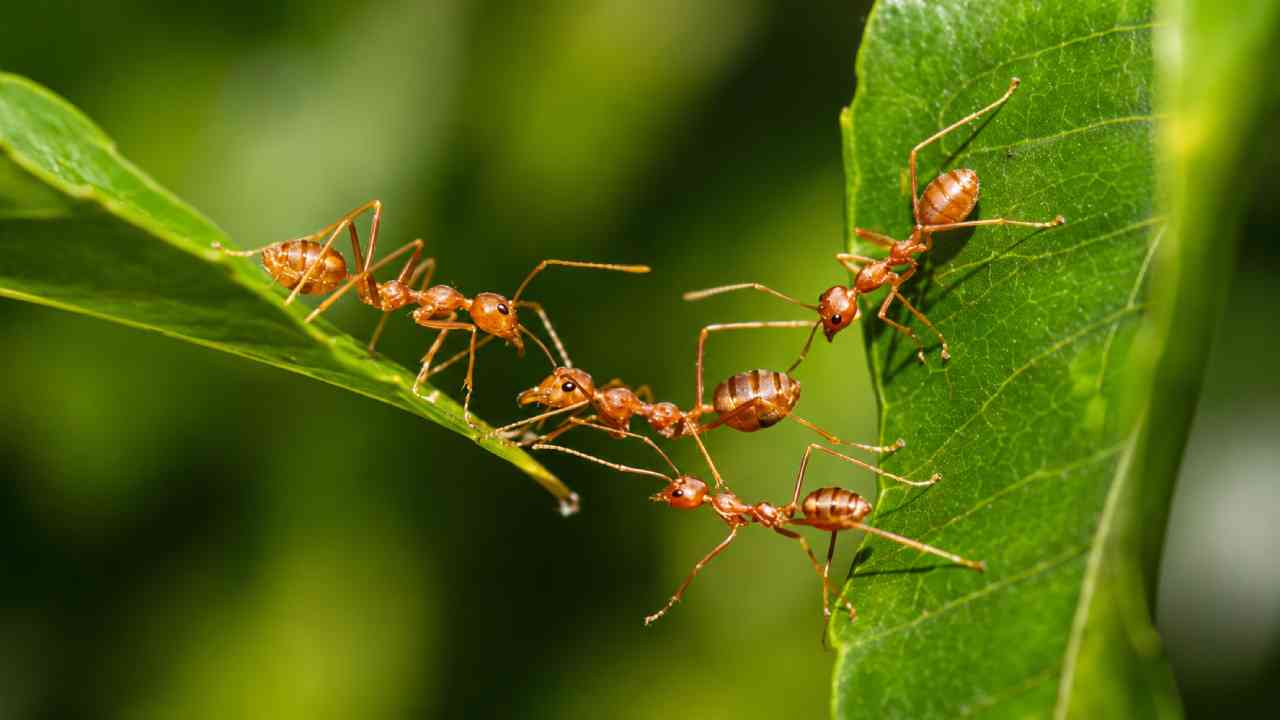
The appearance of one ant often seems harmless. Yet several minutes later, a visible trail may form. This happens because many ant species communicate through chemicals known as pheromones. After finding a valuable food source, a worker can leave a chemical trail that helps nestmates locate the same area. Other ants detect these signals with their antennae and follow the route. As more workers travel along a productive path, the trail can become increasingly useful to the colony. Consequently, dozens of ants may begin moving between the nest and food. This explains why their numbers can increase so quickly. The food did not suddenly create the ants. Instead, one successful discovery triggered a coordinated response. From a human perspective, the transformation from one wandering ant to an organized line can happen surprisingly fast.
A Closed Room Is Not Necessarily Closed to an Ant
If the windows and doors are shut, Where Do Ants actually enter? The answer often lies in scale. A gap that looks insignificant to us may be large enough for a tiny ant. Possible routes include cracks around walls, spaces beneath doors, gaps near window frames, and openings around pipes. Small structural joints can also provide hidden pathways. Furthermore, a colony may be located closer to the room than expected. Depending on the species, ants can establish nests in soil near buildings or protected spaces within structures. Therefore, closing a door does not guarantee that ants have lost access. They may simply use another route. Watching the direction of an established ant trail can sometimes reveal where they are traveling. Their pathway may disappear beneath furniture, behind a cabinet, or into a narrow gap that previously looked unimportant.
Why Are Ants So Interested in Sugary Foods?
It is common to associate ants with sugar, although ant diets vary considerably between species. Many ants consume carbohydrate-rich liquids because workers need energy for activities such as foraging and maintaining the colony. In nature, those carbohydrates do not come from candy or spilled soda. Ants may visit flower nectar or consume honeydew, a sugar-rich liquid produced by insects such as aphids. Human food simply provides another opportunity. A drop of sweet drink can represent a concentrated resource that is easy to access. Nevertheless, ants are not interested only in sweetness. Depending on the species and the colony’s needs, they may also seek fats, proteins, or other foods. This is why ants can sometimes gather around items that contain little obvious sugar. Their feeding behavior is more diverse than the familiar image of ants surrounding a sugar bowl suggests.
Why Do Ants Walk in Such an Organized Line?
An ant trail can look surprisingly orderly. Dozens of individuals may travel along nearly the same narrow path without anyone visibly directing them. Chemical communication helps explain this pattern. When workers follow a useful pheromone trail, they repeatedly travel between the food source and colony. As a result, many ants concentrate on the same route. This system is remarkably efficient because each worker does not need a complete map of the room. Instead, local chemical information can guide its movement. If a route continues to lead to valuable food, workers keep using it. However, the trail may gradually lose importance once the resource disappears. This decentralized organization is one of the most fascinating parts of ant behavior. A complex-looking traffic system can emerge from many individuals responding to relatively simple signals.
Read Also: Keep Moving Forward Even When the Destination Is Unclear
Why Do Ants Return After the Food Has Been Removed?
Removing the cake does not always make every ant disappear immediately. Several workers may continue visiting the same spot for some time. One reason is that chemical trail information does not necessarily vanish the moment the food is removed. Workers may continue following the established route while checking the area. In addition, tiny traces of food can remain on a surface. A table that looks clean to human eyes may still contain small crumbs or sugary residue. Therefore, wiping the area thoroughly can be more effective than simply moving the food elsewhere. Keeping sweet foods in sealed containers also reduces accessible resources. Most importantly, this lingering activity demonstrates how strongly ants rely on information gathered by the colony. They may continue investigating a previously successful location even after conditions have changed.
Ant Communication Makes Their Sudden Arrival Look Mysterious
The most surprising part of this everyday phenomenon is not that ants enter houses. Instead, it is how effectively an entire colony can respond after a worker finds food. Ants do not need smartphones, spoken instructions, or a leader standing beside the food. Chemical signals and repeated interactions allow many workers to coordinate their behavior. This is why a few scattered ants can become an organized trail. From our perspective, the change seems sudden because we rarely notice the earliest stages. The scout’s exploration happens quietly. The first chemical signals are invisible. Only when enough workers appear does the process become obvious. In my view, this makes ants far more interesting than their reputation as simple household pests suggests. Their tiny bodies hide a sophisticated social system built around cooperation and communication.
Where Do Ants Really Come From? The Mystery Has a Simple Answer
So, Where Do Ants come from when sweet food is left in a closed room? Usually, they come from an existing colony nearby and reach the food through tiny pathways that are easy for humans to overlook. A searching worker may discover the food first. Then, chemical communication can help other workers reach the same location. Within a short period, a visible trail develops and creates the impression that the ants appeared from nowhere. In reality, the process is a combination of exploration, sensory detection, and collective behavior. Even the attraction to sweet food has a practical explanation because carbohydrates can provide energy for many worker ants. The next time a forgotten dessert attracts a miniature procession, the scene may look less mysterious. Behind that tiny trail is an organized system that has helped ants locate and exploit food resources for millions of years.