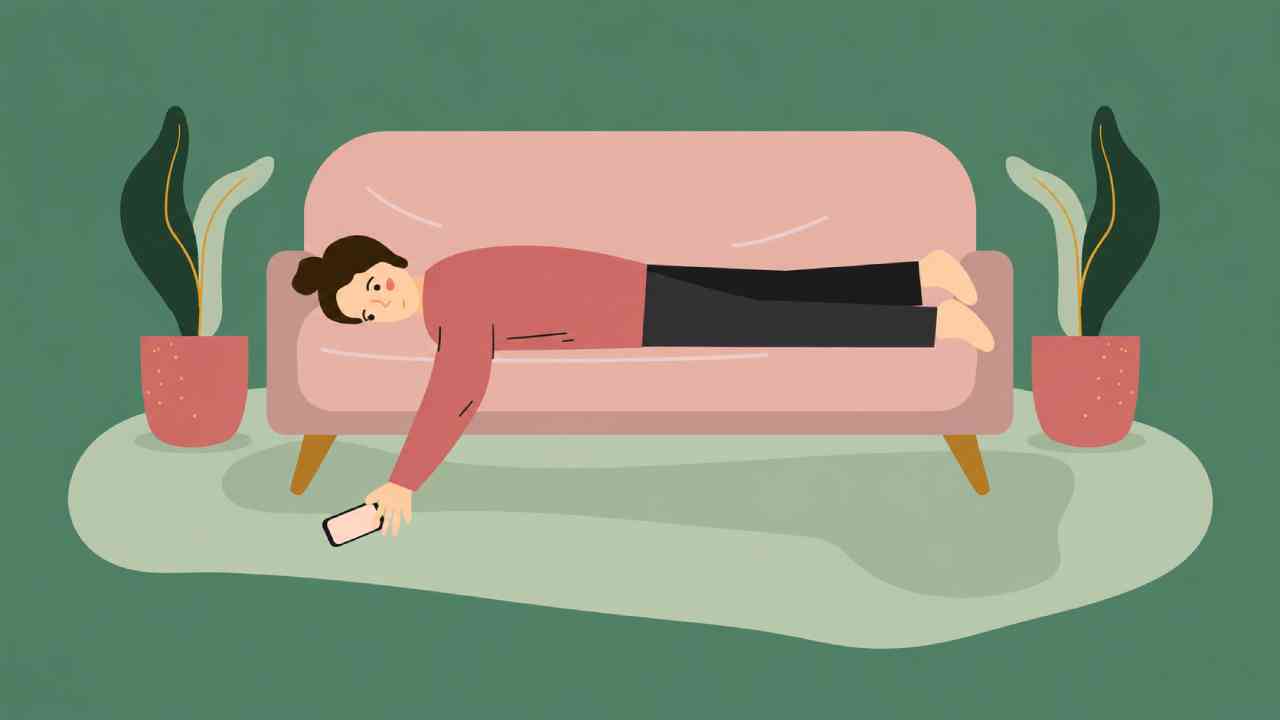
Round Rock Journal – Boredom usually feels like something we should escape as quickly as possible. The moment nothing interesting happens, many people reach for a phone or search for entertainment. However, Boredom does not always represent wasted time. Sometimes, it creates a rare pause between constant tasks and digital stimulation. During that pause, the mind has room to notice thoughts that normally remain hidden beneath daily routines. You might remember an unfinished idea, question an old habit, or suddenly approach a problem differently. Of course, sitting quietly does not guarantee a brilliant insight. Still, allowing occasional empty moments can create conditions for reflection. In a world filled with notifications, videos, and endless information, doing less can feel unusual. Yet that temporary absence of stimulation may be exactly what helps the mind explore something new.
Read Also: Gold Prices Surge as Oil Pressure Eases, Ending Losing Streak
Constant Stimulation Leaves Little Space for Wandering Thoughts
Modern life offers an almost endless supply of stimulation. A short wait can quickly become a scrolling session. Meanwhile, quiet evenings often disappear into streaming, messaging, or browsing. These activities are not automatically harmful. Nevertheless, filling every empty moment leaves fewer opportunities for unstructured thinking. When attention is constantly directed toward incoming information, the mind spends much of its time responding. Boredom changes that pattern because there is temporarily nothing urgent to consume. As a result, thoughts may begin moving in unexpected directions. A forgotten memory can connect with a current problem. An unfinished question can return with a different meaning. Although mind-wandering can sometimes distract us, it may also provide useful mental distance. Therefore, occasional quiet periods can complement focused work rather than compete with it.
Mind-Wandering Can Connect Ideas in Unexpected Ways
Creative thinking often involves connecting information that initially seems unrelated. Interestingly, Boredom can provide room for those connections to emerge. Imagine someone struggling to develop an idea while staring at a computer screen. After repeated attempts, nothing feels right. Later, while walking or washing dishes, a promising direction suddenly appears. The solution did not necessarily come from the activity itself. Instead, stepping away changed how attention was being used. During less demanding moments, thoughts can move more freely between memories, observations, and possibilities. Consequently, a person may notice relationships that were difficult to see during intense concentration. This does not mean focused work is unnecessary. Rather, creativity can benefit from alternating between deliberate effort and mental space. Sometimes the mind needs information. At other times, it needs enough freedom to reorganize that information.
Doing Nothing Can Create Space for Better Questions
Self-development often focuses on finding answers. However, asking better questions can be equally valuable. Boredom may help because it removes some of the noise surrounding everyday decisions. Without another video, message, or task demanding attention, personal questions can become easier to notice. Am I spending time on what matters to me? Is this routine still useful? Why have I avoided starting that project? These questions may feel uncomfortable, but they can reveal patterns that busy schedules hide. Moreover, reflection does not require finding immediate solutions. Simply recognizing a recurring thought can be useful. In my view, this is one of the most overlooked benefits of unstructured time. People sometimes assume personal growth must involve constant action. Yet progress can also begin with observation. Before changing direction, we often need enough quiet to notice where we are actually going.
Reaching for Your Phone Is Not the Only Response
A practical way to explore Boredom is surprisingly simple: delay reaching for your phone. When waiting for coffee, sitting in a park, or standing in a short queue, try observing what is happening instead. Notice sounds, architecture, conversations, movement, light, or small details in the environment. At first, this may feel strangely uneventful. However, observation becomes easier with practice. Writers may discover story ideas in ordinary interactions. Designers can notice interesting shapes or color combinations. Entrepreneurs may spot everyday inconveniences that suggest useful solutions. Even without a creative profession, paying closer attention can broaden perspective. Importantly, this practice does not require rejecting technology. Smartphones remain valuable tools. Instead, the goal is to avoid using them automatically whenever a few empty minutes appear. That small change can turn passive waiting into active observation.
Simple Activities Can Give the Mind Room to Explore
Not every reflective moment requires complete stillness. In fact, simple activities can create useful mental space while keeping the body occupied. Walking, watering plants, organizing a desk, folding clothes, or preparing a basic meal can work well. These activities often require some attention, but they may leave enough mental capacity for thoughts to wander. Therefore, they can provide a natural break after demanding work. If an interesting idea appears, writing it down can prevent it from disappearing. However, there is no need to force every thought into a productive outcome. Some ideas will lead nowhere, and that is normal. The purpose is to create room for exploration rather than demand constant results. Over time, these ordinary pauses may help people become more aware of how their minds generate ideas and solve problems.
Boredom Should Not Become Another Productivity Challenge
There is an interesting contradiction in turning Boredom into a self-development technique. Once people hear that quiet time might support creativity, they may start expecting every empty moment to produce something valuable. Suddenly, doing nothing becomes another performance goal. That approach misses the point. Boredom is useful partly because it removes expectations and allows attention to loosen. Therefore, there is no need to measure how many ideas appear during a walk or quiet afternoon. Some periods will produce interesting thoughts, while others will simply feel uneventful. Both outcomes are acceptable. In addition, rest should not need to justify itself through productivity. Personal development works better when every activity does not become another metric. Giving the mind space can be valuable even when nothing remarkable happens. Sometimes the benefit is simply returning to work with clearer attention.
Read Also: Not Every Closed Door Means You Are on the Wrong Path
Digital Overstimulation Can Make Empty Moments Feel Uncomfortable
The more accustomed we become to immediate stimulation, the stranger quiet moments can feel. Short-form videos, social feeds, messages, and news updates can provide something new within seconds. Consequently, slower activities may initially seem less rewarding. This does not mean digital entertainment is inherently negative. The problem appears when automatic consumption becomes the default response to every pause. In that situation, Boredom rarely has enough time to develop into reflection. One practical approach is to create small periods without incoming content. A ten-minute walk without checking notifications can be enough to begin. Likewise, eating one meal without scrolling can change how much attention goes toward the surroundings. These are modest experiments rather than strict digital rules. The objective is simply to rediscover what happens when the mind is not constantly receiving something new.
New Perspectives Often Begin With Ordinary Observations
A fresh perspective does not always arrive as a dramatic breakthrough. More often, it develops from small observations collected over time. Boredom can support this process because it slows the stream of external input. For example, a quiet train ride may reveal an idea about how people behave in public spaces. A walk through a familiar neighborhood may highlight changes that previously went unnoticed. Similarly, sitting alone can bring attention to personal habits that have become automatic. These observations may seem insignificant at first. Nevertheless, they can later influence decisions, creative projects, or conversations. This is why curiosity works well alongside unstructured time. Instead of asking, “How can I stop being bored?” another question becomes possible: “What am I noticing because nothing else is demanding my attention?” That shift can turn an ordinary pause into an opportunity for discovery.
Learning to Leave Some Space Unfilled Can Change How You Think
Boredom does not need to dominate daily life to become useful. A few intentional gaps may be enough. Rather than scheduling every minute, leaving occasional space can create opportunities for reflection and spontaneous thought. Moreover, those gaps can help separate genuine interests from constant external influence. An idea that repeatedly returns during quiet moments may deserve closer attention. A problem that looks different after a break may need a new approach. Still, the goal is not to romanticize Boredom or suggest that it solves every creative challenge. Focus, learning, collaboration, and experience remain essential. Yet empty moments can play a complementary role. They give the mind permission to stop reacting for a while. Ultimately, personal growth is not only about adding new habits, goals, and information. Sometimes, it also comes from removing enough noise to hear your own thoughts more clearly.