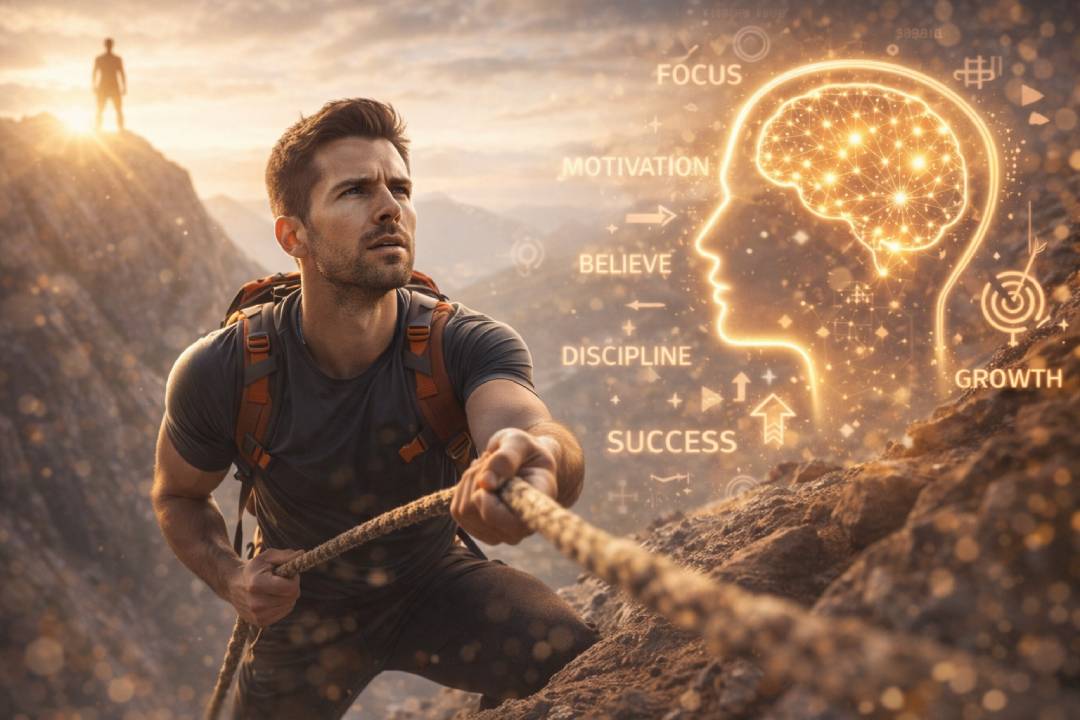
Round Rock Journal – Building Unshakeable Resilience: The Motivation Guide You Need matters more than ever in 2026 because life feels louder, faster, and more demanding than it used to. Many people still chase motivation, yet they feel exhausted when pressure arrives. However, resilience works differently. It does not depend on mood. Instead, it grows through habits, mindset, and emotional strength. As a result, resilient people keep moving forward even when they feel uncertain. In my opinion, resilience is the real “secret skill” of modern success. It helps you handle setbacks without losing yourself. It also helps you stay calm when others panic. The best part is that resilience is not something you are born with. You can build it. You can train it. And in 2026, it may be the most valuable form of self-development.
“Read Also: Burnout Recovery in 2026: The New Productivity Mindset“
Why Motivation Alone Is Not Enough Anymore
Motivation alone is not enough because motivation comes and goes. Some days you feel inspired. Other days you feel tired. Therefore, relying only on motivation creates inconsistency. In contrast, resilience helps you keep going even when your energy drops. Additionally, modern life creates constant stress. People face financial pressure, digital overload, and emotional fatigue. As a result, motivation often disappears when you need it most. In my view, this is why so many people feel stuck. They wait for the perfect mood to start. However, resilient people act first and build momentum later. They do not depend on emotional highs. Instead, they depend on discipline, clarity, and mental flexibility. That shift is powerful. It makes progress possible in real life, not only in ideal conditions.
What Unshakeable Resilience Really Means in 2026
Unshakeable resilience does not mean you never feel stress or sadness. Instead, it means you recover faster and stay grounded. In 2026, resilience looks like emotional stability during chaos. It looks like being able to fail without collapsing. Additionally, it looks like staying focused while the world feels noisy. Resilient people still feel pain, but they do not let pain control their identity. In my opinion, that is the biggest difference. Rather than defining themselves by setbacks, they treat them as lessons. They adjust their approach and keep moving forward. Resilience also includes self-trust. When you trust yourself, you stop panicking about uncertainty. As a result, you become calmer and more confident. In 2026, this skill matters because uncertainty is everywhere. Therefore, resilience becomes a personal anchor.
The Hidden Habits That Build Mental Strength
Mental strength grows through small habits, not big speeches. For example, resilient people manage their mornings well. They also protect their sleep. Additionally, they choose routines that support emotional balance. These habits may look simple, yet they create powerful results. In my view, the biggest habit is consistency. When you show up daily, you teach your brain that you can handle discomfort. Another key habit is self-awareness. Resilient people notice stress early. Therefore, they adjust before burnout happens. They also practice emotional regulation. That can include journaling, breathing exercises, or simply taking breaks. As a result, they do not let stress build silently. Over time, these habits create a stronger mind. They also create a calmer nervous system. In 2026, that calmness becomes a competitive advantage.
How Resilient People Handle Failure Differently
Resilient people handle failure differently because they treat failure as feedback. Instead of seeing failure as proof of weakness, they see it as information. That mindset changes everything. When you view failure as learning, you stop fearing it. As a result, you take more action. You also grow faster. Additionally, resilient people do not attach their self-worth to outcomes. They focus on effort and improvement. In my opinion, this is the healthiest approach to ambition. It creates progress without emotional collapse. Resilient people also recover faster because they do not waste energy on shame. They accept what happened. Then, they adjust their strategy. In 2026, this mindset is essential. Modern careers require constant adaptation. People change jobs, learn new skills, and face unpredictable challenges. Therefore, the ability to fail and still move forward becomes priceless.
The Role of Self-Talk in Building Inner Stability
Self-talk shapes resilience because your inner voice becomes your daily coach. In 2026, many people struggle not because life is impossible, but because their self-talk is harsh. When you speak to yourself with fear, you weaken your confidence. However, when you speak to yourself with clarity, you build stability. Resilient people do not always feel confident. Instead, they choose supportive language even when they feel uncertain. For example, they say, “This is hard, but I can learn.” That one sentence changes emotional energy. Additionally, self-talk influences your nervous system. Negative self-talk triggers stress. Supportive self-talk calms the body. In my opinion, this is one of the most underrated resilience tools. You cannot control everything outside you. However, you can control how you respond internally. In 2026, that internal control becomes strength.
“Read Also: Stephanie Cavalli Opens Chanel’s Paris Haute Couture“
Why Resilience Needs Rest, Not Just Hustle
Resilience needs rest because the brain cannot stay strong when it stays exhausted. Hustle culture taught people to push through everything. However, burnout destroys resilience. When you feel drained, even small problems feel heavy. Therefore, rest becomes part of resilience training. In 2026, resilient people schedule recovery like a priority. They protect their sleep and build real breaks into the day. Instead of staying online nonstop, they disconnect from constant stimulation.As a result, they stay emotionally stable. In my opinion, rest is not weakness. It is strategy. It allows you to return stronger. Additionally, rest improves focus and decision-making. That matters because resilience is not only emotional. It is also cognitive. You need a clear mind to solve problems. In 2026, the strongest people are not the ones who work nonstop. They are the ones who recover well and stay consistent.
Building Resilience Through Purpose and Meaning
Purpose builds resilience because meaning makes pain easier to carry. When you know why you are doing something, you handle stress differently. In 2026, many people feel lost because they chase goals without meaning. As a result, setbacks feel pointless. However, resilient people connect their effort to a deeper reason. That reason can be family, personal growth, or a long-term dream. In my opinion, purpose is fuel that lasts longer than motivation. Motivation fades. Meaning stays. Additionally, purpose creates direction. When you have direction, you stop reacting emotionally to every obstacle. Instead, you stay focused on the bigger picture. That focus builds resilience naturally. In 2026, this matters because distractions are everywhere. Purpose helps you stay grounded. It also helps you stay calm. When you live with meaning, you become harder to break.
The Resilience Mindset That Will Define Your Future
The resilience mindset that will define your future is simple. You will face challenges, but you will not let them define you. In 2026, the world rewards people who adapt quickly and stay emotionally stable. Therefore, resilience becomes a life skill, not just a motivational concept. Resilient people do not chase perfection. They chase progress. They also build systems that support their mental health. In my opinion, this is the smartest form of motivation. because it stays quiet but powerful. Rather than relying on mood, it relies on identity and consistency. When you build resilience, you build a version of yourself that can handle pressure. You also build confidence that feels real. In 2026 and beyond, this mindset will shape your career, your relationships, and your inner peace. That is why resilience is not optional anymore. It is essential.