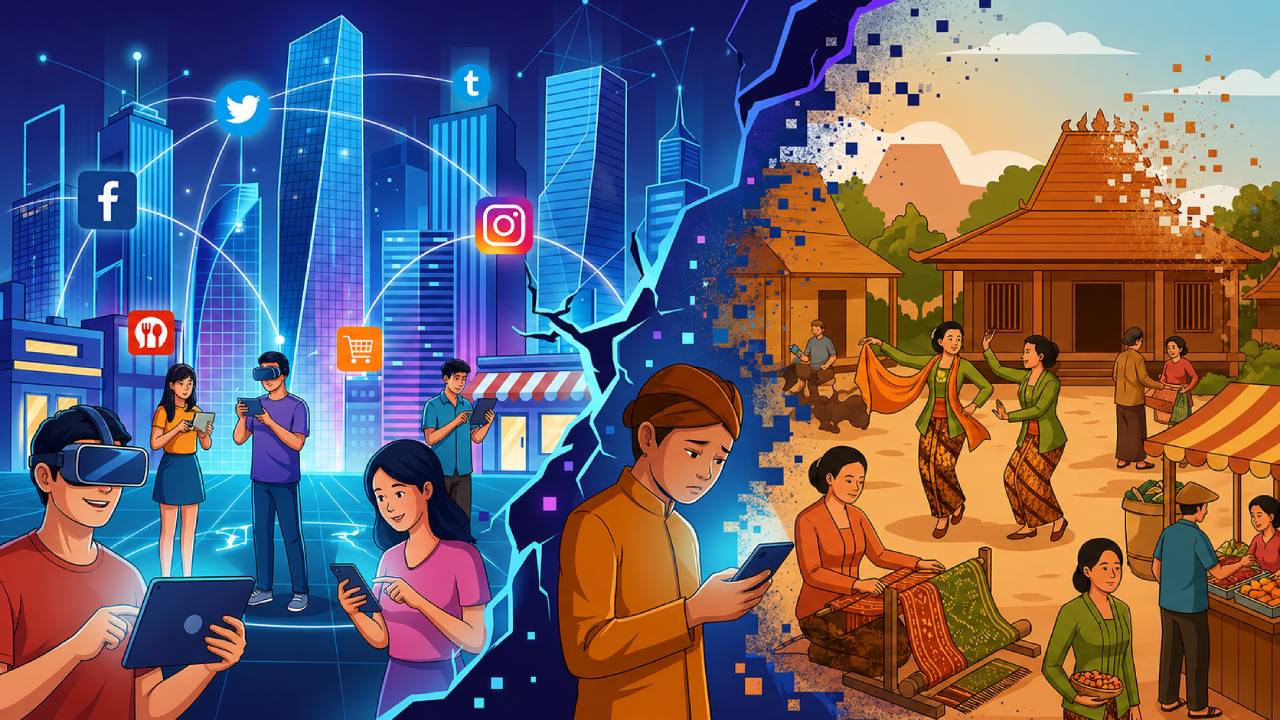
Round Rock Journal – In today’s hyperconnected era, The World is Changing Fast is no longer just a phrase—it is a reality we experience every single day. Technology evolves rapidly, industries transform overnight, and new opportunities emerge just as quickly as old ones disappear. As a result, individuals are required to adapt, learn, and grow continuously. From artificial intelligence to digital ecosystems, the pace of change challenges not only our skills but also our mindset. Therefore, understanding how to navigate this fast-moving world becomes essential for long-term success and personal fulfillment.
Read Also: Sabato De Sarno’s Journey Beyond Gucci Redefines the Meaning of Craft and Time
The Acceleration of Technological Innovation
First and foremost, technological innovation is the primary driver behind rapid global change. New tools and platforms are introduced almost daily, reshaping how we work and live. For instance, automation and AI are replacing repetitive tasks while creating new roles that demand advanced digital skills. Consequently, those who fail to adapt may struggle to stay relevant. On the other hand, individuals who embrace innovation often find themselves ahead of the curve. This shift highlights the importance of staying informed and open to change.
Digital Transformation Across Industries
Moreover, digital transformation is not limited to tech companies alone. Traditional industries such as healthcare, education, and retail are also undergoing massive changes. For example, online learning platforms have revolutionized education, while e-commerce continues to dominate consumer behavior. As a result, businesses must evolve to meet new demands. At the same time, professionals need to upgrade their skills to remain competitive. This transformation shows that adaptability is no longer optional—it is necessary.
The Rise of Lifelong Learning
In addition, the concept of education has shifted significantly. Learning is no longer confined to schools or universities. Instead, it has become a lifelong process. Many professionals now rely on online courses, workshops, and self-study to stay relevant. Consequently, continuous learning becomes a key factor in personal and career growth. By investing in knowledge, individuals can adapt more effectively to changes and seize new opportunities.
The Impact of Information Overload
However, with rapid change comes a new challenge—information overload. Every day, we are exposed to vast amounts of data from social media, news, and digital platforms. While this provides access to valuable insights, it can also overwhelm the mind. Therefore, it is crucial to filter information wisely and focus on what truly matters. Developing this skill helps maintain clarity and improves decision-making in a fast-paced environment.
Emotional Intelligence in a Fast-Changing World
Furthermore, adapting to change is not only about technical skills but also emotional resilience. Emotional intelligence plays a significant role in managing stress, uncertainty, and constant change. Individuals who understand their emotions and remain calm under pressure are better equipped to handle challenges. As a result, they can make more rational decisions and maintain strong relationships, even in unpredictable situations.
Read Also: Smart Ways to Teach Math to Kids Through Fun Games
The Importance of Adaptability and Flexibility
Equally important, adaptability has become one of the most valuable skills in the modern The World is Changing Fast. Those who are flexible and open to new experiences are more likely to thrive. For instance, professionals who embrace new tools and methods often outperform those who resist change. Therefore, cultivating a growth mindset is essential. It allows individuals to see change not as a threat, but as an opportunity for improvement.
Opportunities Hidden Within Rapid Change
Interestingly, rapid change also brings countless opportunities. New industries, careers, and business models continue to emerge. For example, the digital economy has created opportunities for content creators, freelancers, and entrepreneurs. Consequently, those who are proactive and innovative can benefit greatly from these changes. This perspective encourages individuals to look beyond challenges and focus on potential growth.
Preparing for the Future of the Digital Age
Finally, preparing for the future requires a combination of skills, mindset, and strategy. Individuals must stay curious, continuously learn, and embrace change with confidence. Additionally, building strong digital literacy and emotional resilience is crucial. By doing so, they can navigate uncertainty and remain competitive in the evolving landscape. Ultimately, those who are prepared will not only survive but also thrive in the digital age.