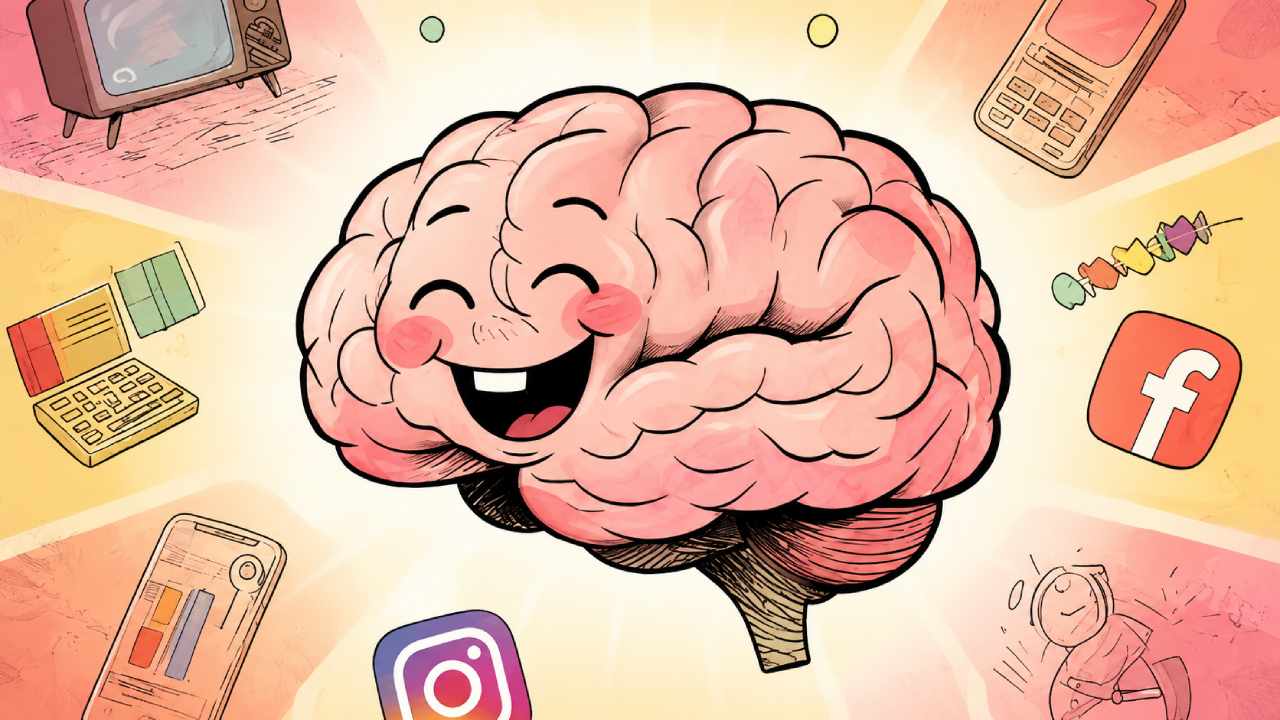
Round Rock Journal – Your Brain Loves Delaying more than many people realize, and that idea sounds strange at first. Most people believe procrastination happens because they are lazy or lack discipline. However, reality is usually more complex. Many people wake up with strong intentions to finish tasks, start projects, or build better habits. Then something unexpected happens. A quick phone check turns into thirty minutes of scrolling. A five-minute break suddenly becomes an entire evening. As a result, important work quietly moves to tomorrow. Interestingly, the problem is often not motivation itself. Instead, it is the way the human brain naturally responds to stress, uncertainty, and immediate rewards. Understanding this process can completely change the way people view productivity and personal growth.
Read Also: Joan Mir Confirms Honda Exit After Difficult MotoGP 2026 Journey
Your Brain Naturally Prefers Comfort Over Pressure
The human brain evolved to keep people safe and conserve energy. Long before technology existed, survival depended on avoiding danger and protecting physical resources. Therefore, the brain learned to choose comfort whenever possible. Today, modern life looks different, but the brain still follows many of those old patterns. Writing a report, studying for an exam, or starting a business can feel mentally demanding. Meanwhile, watching short videos or checking social media feels easy and enjoyable. Consequently, the brain often pushes people toward activities that create instant comfort.
Instant Rewards Feel More Powerful Than Future Benefits
One interesting psychological concept explains why procrastination happens so often. The brain strongly responds to immediate rewards. A small pleasure received now frequently feels more attractive than a larger benefit arriving later. For example, exercising today may improve health in the future. However, sitting comfortably and watching entertainment creates immediate satisfaction. Because of that, the brain often chooses short-term pleasure. While this behavior seems irrational, it is actually a normal human response.
Fear Quietly Hides Behind Many Delays
Many people think delayed action comes only from laziness. However, hidden fears often play a bigger role. Some individuals fear failure, while others fear judgment from other people. In certain situations, people even fear success because it may bring new expectations. As a result, the mind creates resistance before the task even begins. Instead of facing discomfort directly, people naturally search for distractions. Therefore, procrastination sometimes acts as emotional protection rather than simple avoidance.
Large Tasks Often Look Bigger Inside The Mind
The brain has an interesting tendency to exaggerate difficulty. A task may appear simple when viewed logically, yet it feels overwhelming emotionally. For example, writing a 2,000-word article sounds exhausting at first. Meanwhile, writing the first fifty words feels much easier. Therefore, large goals often create mental pressure before actual work even starts. Because of this pattern, people frequently delay projects that seem complicated or unclear.
Modern Technology Makes Delaying Easier Than Ever
In previous generations, distractions existed in smaller amounts. Today, phones, notifications, streaming platforms, and social media compete for attention every minute. Consequently, the brain receives endless opportunities for quick entertainment. Every notification creates a small burst of satisfaction that temporarily feels rewarding. Over time, this cycle can train people to seek constant stimulation. Therefore, focusing on long-term goals becomes more difficult than many individuals expect.
Read Also: Why Certain Songs Instantly Bring Back Memories You Thought Were Gone
Small Actions Can Break The Procrastination Cycle
Fortunately, the brain also responds positively to progress. Small victories often create momentum that encourages continued action. Instead of forcing major changes immediately, many experts recommend starting with tiny steps. For example, reading one page feels easier than reading an entire book. Similarly, exercising for five minutes sounds less intimidating than planning a complete workout session. Once movement begins, resistance often decreases naturally.
Progress Usually Matters More Than Perfection
Perfection quietly becomes a hidden obstacle for many people. Some individuals delay important work because they want ideal results from the beginning. Unfortunately, perfection often creates unnecessary pressure. Consequently, starting feels more difficult than necessary. In reality, progress frequently creates stronger long-term results than waiting for perfect conditions. Small consistent actions often outperform occasional bursts of motivation.
Understanding The Brain Changes The Way We See Productivity
Productivity is not simply about working harder every day. Instead, it often begins with understanding human behavior and mental patterns. The brain is not designed to make life difficult. Rather, it attempts to protect energy and avoid discomfort. However, modern environments sometimes confuse those natural instincts. Therefore, learning how the brain responds to stress, fear, and rewards helps people work with their minds instead of fighting against them. In many ways, personal growth starts not by changing who we are, but by understanding why we do what we do.