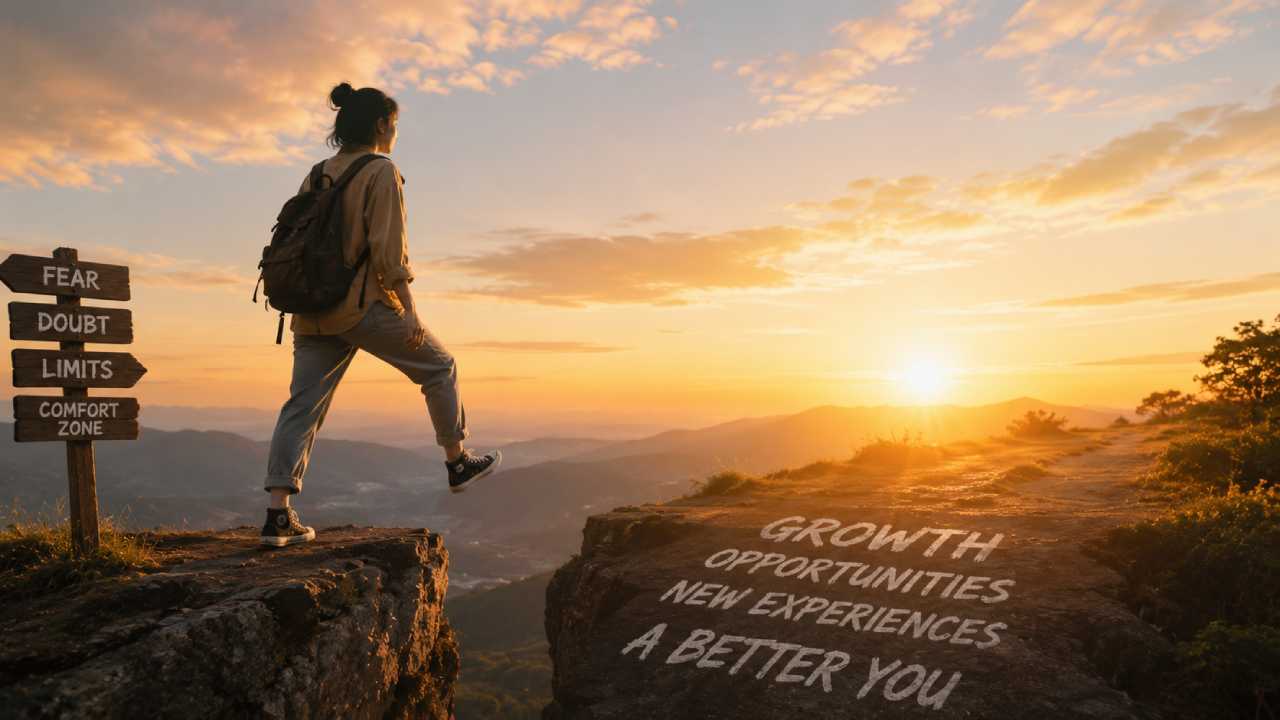
Round Rock Journal – Leaving Your Comfort Zone has become one of the most important ideas in modern self-growth culture. Today, many young people are starting to realize that staying in the same routine for too long can slowly limit creativity, confidence, and emotional development. Although comfort feels safe, personal growth usually begins when someone decides to face uncertainty and try something unfamiliar. Because of that, more individuals are now challenging themselves to take risks, explore new opportunities, and experience life beyond their usual habits. Interestingly, this mindset is no longer connected only to success or career goals. Instead, it has become part of a healthier lifestyle focused on emotional growth, confidence, and self-discovery. As social media continues influencing modern culture, stories about transformation and bravery also inspire more people to step outside their comfort zones every day.
Read Also: Jason Collins Remembered as an NBA Pioneer After Passing Away at 47
Comfort Zones Feel Safe but Often Limit Potential
Most people naturally enjoy comfort because it creates a sense of security and emotional stability. However, staying too comfortable for a long time can slowly reduce motivation and curiosity. For example, many individuals continue doing the same routines every day even when they no longer feel excited or fulfilled. As a result, life may start feeling repetitive and emotionally exhausting. Moreover, fear of failure often prevents people from trying something new. Although comfort zones protect people from stress, they can also block important opportunities for learning and improvement. Because of this, many personal development experts believe growth rarely happens inside predictable environments. Instead, people usually discover new strengths when they face challenges that push them beyond familiar situations.
Personal Growth Starts With Small Uncomfortable Steps
Many people believe leaving a comfort zone requires dramatic life changes. In reality, personal growth often begins with small and consistent actions. For instance, speaking in front of others, starting a new hobby, or introducing yourself to unfamiliar people can already feel challenging for some individuals. Nevertheless, these small experiences slowly build confidence over time. Furthermore, each uncomfortable moment teaches valuable emotional lessons that cannot be learned through theory alone. As people repeat those experiences, fear gradually becomes easier to manage. Because of that process, confidence grows naturally rather than instantly. Interestingly, many successful individuals often describe growth as a series of small courageous decisions instead of one big transformation. Therefore, simple steps can eventually create meaningful long-term change in someone’s life.
Fear Is Often the Biggest Barrier to Transformation
Fear plays a major role in why many people struggle to leave their comfort zones. Usually, individuals worry about failure, rejection, embarrassment, or criticism from others. Consequently, they choose safety even when they secretly want something more meaningful in life. However, fear itself is not always negative. In many situations, fear simply shows that someone is entering unfamiliar territory. Therefore, learning how to manage fear becomes an important part of personal growth. Moreover, people who continuously challenge themselves often become mentally stronger because they learn how to adapt emotionally. Although failure may happen sometimes, the experience itself usually provides important lessons. As a result, many individuals later realize that their biggest regrets often come from opportunities they never tried rather than mistakes they made.
Social Media Has Changed the Meaning of Self Growth
In recent years, social media has transformed the way people view personal development and motivation. Platforms like TikTok and Instagram are now filled with stories about career changes, solo traveling, fitness journeys, and emotional healing. Consequently, many young people feel inspired to create positive changes in their own lives. Additionally, relatable content often makes self-growth feel more achievable and realistic. For example, videos about “starting over,” “trying new things alone,” or “becoming your best self” frequently receive millions of views because they connect emotionally with audiences. However, social media can also create pressure if people compare themselves too much with others. Therefore, experts often encourage individuals to focus on personal progress rather than unrealistic perfection. Ultimately, true growth happens at different speeds for every person.
New Experiences Help Build Emotional Strength
Trying unfamiliar experiences can improve emotional resilience in powerful ways. Whenever people enter new situations, they learn how to handle uncertainty, discomfort, and unexpected outcomes. Although those moments may feel stressful at first, they often strengthen emotional maturity over time. For instance, moving to a new city, starting a different career, or traveling alone can teach independence and adaptability. Furthermore, challenging experiences usually reveal strengths that people never realized they had before. Because of this, many psychologists believe personal development is strongly connected to exposure and experience. Individuals who regularly challenge themselves often become more confident when facing future difficulties. Therefore, emotional strength is not built through comfort alone but through repeated experiences that encourage growth and adaptation.
Read Also: The Modern Generation Begins to Focus on Work Before Scrolling Through Social Media
Leaving Your Comfort Zone Improves Confidence Naturally
Confidence rarely appears without action. In fact, most confident people became stronger after overcoming difficult or uncomfortable experiences. Initially, many individuals feel insecure when trying something unfamiliar because they fear making mistakes. However, every successful attempt slowly changes the way they see themselves. As confidence increases, people become more willing to explore new opportunities and challenges. Moreover, confidence built through real experience tends to last longer than temporary motivation. Because of this, leaving a comfort zone often creates a positive cycle of self-improvement. Once people realize they can survive uncomfortable situations, they become less afraid of future uncertainty. Consequently, they start trusting themselves more in both personal and professional aspects of life.
Modern Young People Value Growth More Than Perfection
Today’s younger generation increasingly values authenticity and emotional growth over unrealistic perfection. In the past, success was often measured only through achievements, wealth, or social status. However, many people now prioritize emotional wellness, meaningful experiences, and personal fulfillment instead. As a result, self-growth culture has become deeply connected with mental health and lifestyle trends. Young people are now more open about their struggles, fears, and personal journeys online. Because of this openness, conversations about growth feel more human and relatable. Furthermore, many individuals understand that becoming better does not require perfection. Instead, progress comes from learning, failing, adapting, and continuing forward despite uncertainty. Therefore, leaving a comfort zone is now viewed as a realistic and meaningful path toward becoming a stronger version of yourself.
Growth Happens When Life Feels Uncertain
One important truth about personal growth is that uncertainty often creates the biggest transformation. Whenever people face unfamiliar situations, they are forced to think differently, adapt quickly, and develop new perspectives. Although uncertainty can feel uncomfortable, it often leads to important emotional breakthroughs. For example, many people discover hidden talents only after experiencing difficult transitions in life. Additionally, uncertain moments frequently teach patience, resilience, and emotional awareness. Because of that, challenges should not always be viewed negatively. Instead, they can become opportunities for meaningful self-discovery. While comfort provides stability, uncertainty often creates growth that changes people permanently. Therefore, many life coaches and psychologists continue encouraging individuals to embrace discomfort as part of their personal journey toward a better future.