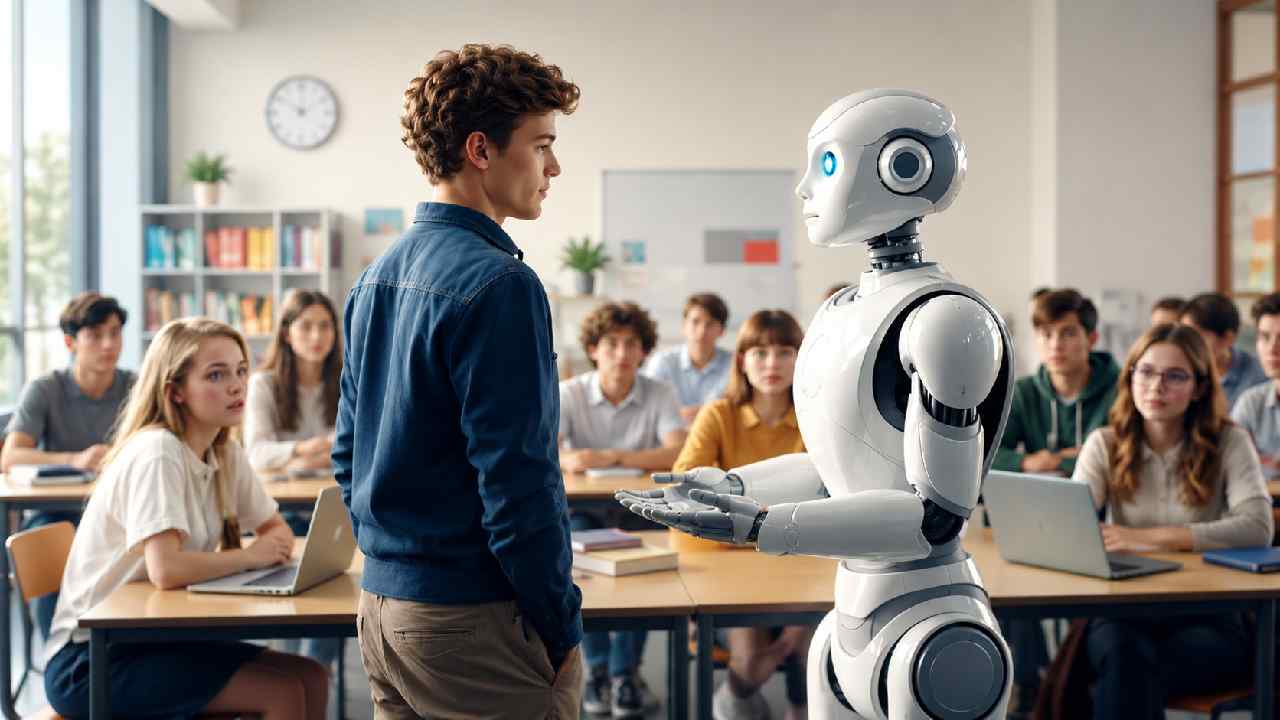
Round Rock Journal – Artificial intelligence is changing the way people work, learn, and solve problems. Today, AI can write articles, analyze data, generate images, and automate countless daily tasks within seconds. As a result, many professionals wonder which abilities will remain valuable in the future. The answer is becoming increasingly clear. While technology continues to improve, Human Skills are emerging as the qualities that truly set people apart. These skills include empathy, creativity, communication, critical thinking, and emotional intelligence. Unlike technical knowledge, they grow through real experiences and meaningful interactions. Therefore, mastering Human Skills is no longer optional. Instead, it has become one of the smartest long-term investments for anyone who wants to stay relevant in an AI-driven world.
Read Also: Bank Indonesia Strengthens Triple Intervention as Rupiah Faces Fresh Pressure
Technology Is Advancing Faster Than Ever
The rapid growth of artificial intelligence has transformed industries across the globe. Businesses now rely on AI to improve efficiency, reduce repetitive work, and process large amounts of information in seconds. Consequently, employees can focus on more meaningful responsibilities instead of spending hours on routine tasks. However, this shift also changes what employers expect from their workforce. Technical abilities remain important, yet they are no longer enough on their own. Organizations increasingly value professionals who can collaborate, adapt, and solve complex problems creatively. As technology becomes more capable, uniquely human qualities become even more valuable. This balance between automation and human expertise will define the future of work for years to come.
Human Skills Create Meaningful Human Connections
Although AI can imitate conversations and generate realistic responses, it cannot genuinely experience human emotions. People naturally seek trust, understanding, and authentic relationships, especially during difficult situations. For example, a supportive manager does more than provide instructions. They recognize emotions, encourage growth, and inspire confidence within their team. Similarly, teachers, healthcare professionals, and customer service representatives build lasting relationships through empathy and compassion. These emotional connections cannot be fully replicated by algorithms. Therefore, Human Skills continue to play a vital role wherever trust and collaboration matter. In many situations, people remember how someone made them feel long after they forget the technical details of a conversation.
Critical Thinking Will Become Even More Valuable
Artificial intelligence can provide answers almost instantly. Nevertheless, it cannot always determine whether information is appropriate for a specific context or ethical situation. This is where critical thinking becomes essential. Professionals must evaluate AI-generated content, verify facts, identify risks, and consider long-term consequences before making decisions. Furthermore, critical thinkers ask better questions instead of accepting every answer at face value. They analyze multiple perspectives and remain open to new evidence. As misinformation and automated content continue to grow online, thoughtful judgment becomes increasingly important. Consequently, Human Skills help individuals make balanced decisions that combine technology with wisdom and responsibility.
Creativity Begins Where Data Ends
AI can generate thousands of ideas based on existing information. However, genuine creativity often comes from personal experiences, emotions, culture, and imagination. Artists, designers, entrepreneurs, and innovators frequently develop breakthrough ideas by connecting unrelated experiences in unexpected ways. Likewise, storytelling, humor, and original concepts usually reflect a person’s unique perspective rather than statistical patterns. This creative process cannot be fully automated because it depends on human curiosity and emotional depth. As businesses compete through innovation instead of repetition, creative thinking becomes one of the strongest competitive advantages. Therefore, Human Skills continue to fuel originality even in highly technological environments.
Read Also: What Is Aurora? Exploring the Beauty of the Northern and Southern Lights
Emotional Intelligence Strengthens Leadership
Leadership is about much more than assigning tasks or measuring performance. Effective leaders understand emotions, resolve conflicts, and motivate people toward shared goals. They also recognize when team members need encouragement, feedback, or additional support. Although AI can analyze productivity data, it cannot truly understand the emotional dynamics within a workplace. Emotional intelligence allows leaders to build trust during uncertainty and maintain healthy relationships under pressure. Furthermore, emotionally intelligent leaders create environments where people feel respected and motivated to contribute their best work. As organizations become increasingly digital, these Human Skills will remain essential for sustainable leadership and long-term success.
Adaptability Is the Skill That Keeps People Relevant
The modern workplace changes faster than ever before. New technologies, evolving business models, and shifting customer expectations require continuous learning. Consequently, adaptability has become one of the most valuable Human Skills in every profession. Adaptable individuals remain curious, embrace change, and develop new competencies throughout their careers. Instead of fearing innovation, they view it as an opportunity for growth. Moreover, they recover more quickly from setbacks because they remain flexible when circumstances change unexpectedly. This mindset enables professionals to stay competitive regardless of technological disruption. In a rapidly changing world, the willingness to learn often matters more than existing knowledge.
The Future Belongs to People Who Combine AI and Human Skills
Rather than competing against artificial intelligence, successful professionals will learn how to work alongside it. AI can accelerate research, automate repetitive processes, and improve efficiency. Meanwhile, humans contribute empathy, creativity, ethical judgment, communication, and leadership. Together, these strengths create better outcomes than either could achieve independently. Companies increasingly seek individuals who understand both technology and human behavior because this combination drives innovation and sustainable growth. Looking ahead, technical expertise will remain valuable, but Human Skills will become the foundation of meaningful careers. Ultimately, the future will not belong to those who simply use AI. Instead, it will belong to those who combine advanced technology with uniquely human qualities that no machine can truly replace.