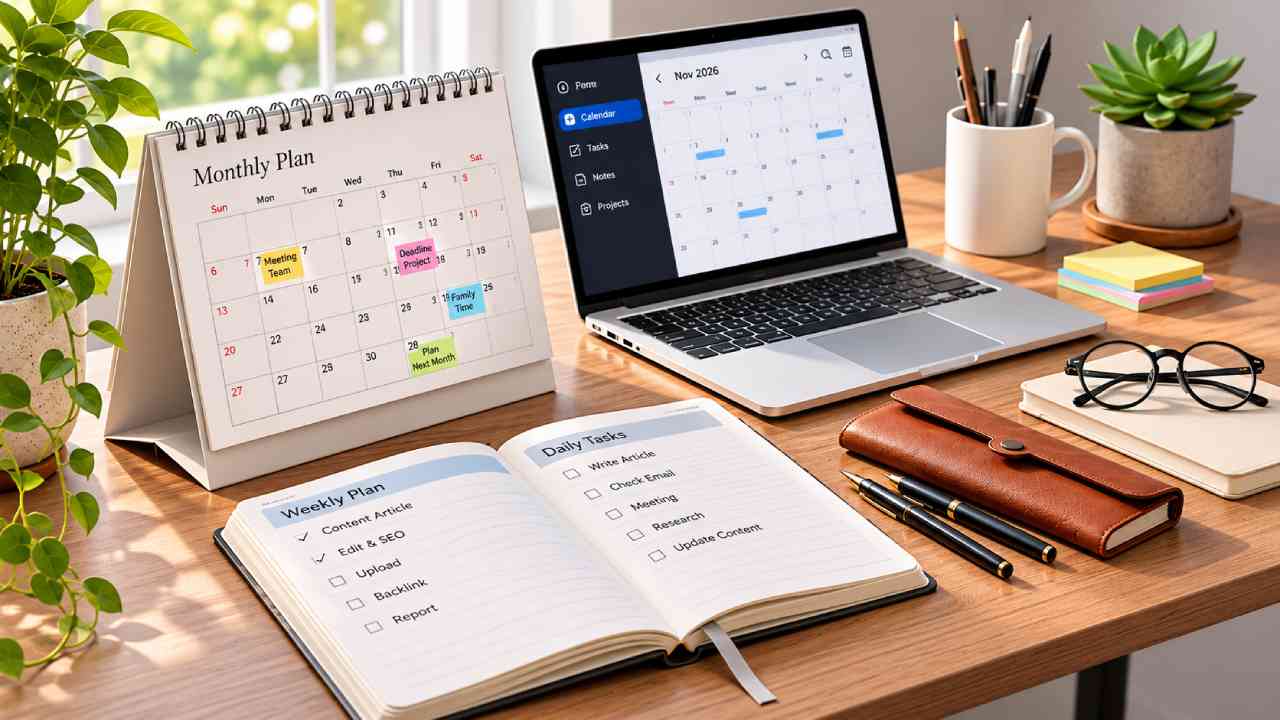
Round Rock Journal – Life Admin is the practice of organizing small but important responsibilities in everyday life. These tasks include managing documents, paying bills, scheduling appointments, and tracking personal commitments. Although each activity seems simple, unfinished tasks can quickly create unnecessary pressure. For example, forgetting an insurance renewal may lead to unexpected complications. Meanwhile, missing an appointment can disrupt an otherwise productive week. Therefore, having a reliable system makes daily responsibilities easier to manage. Life Admin encourages people to organize essential information instead of keeping everything in their heads. Moreover, it creates a clearer picture of upcoming obligations. Rather than trying to remember every detail, individuals can use simple tools to stay prepared. This practical approach supports personal growth by developing responsibility, awareness, and stronger organizational habits.
Understanding Why Small Tasks Become Overwhelming
A busy lifestyle often involves more responsibilities than people initially realize. Someone might finish work and still need to review bills, answer emails, or arrange household repairs. Individually, these tasks may require only a few minutes. However, their combined effect can feel exhausting. Unfinished responsibilities also compete for attention throughout the day. As a result, people may struggle to focus on more meaningful activities. Life Admin offers a structured way to handle these everyday demands. Instead of reacting whenever something becomes urgent, individuals can plan ahead. For instance, grouping similar tasks into one session may reduce repeated interruptions. Furthermore, writing responsibilities down helps reveal which tasks deserve immediate attention. This simple change can make personal administration feel more manageable.
Creating a Personal Organization System That Actually Works
An effective organization system should match someone’s lifestyle rather than follow complicated rules. Some people prefer notebooks, while others enjoy digital calendars and task management applications. Neither approach is automatically better. Instead, consistency matters more than the number of tools involved. A simple Life Admin system might include one calendar, one task list, and clearly labeled document folders. For example, important appointments can go into a shared digital calendar. Meanwhile, personal responsibilities can remain on a weekly checklist. Additionally, reminders can help people remember important deadlines. However, creating too many categories may make the system difficult to maintain. Therefore, starting with a few essential tools often works best. Over time, individuals can adjust their approach as responsibilities change.
Read Also: Tempe Lado Mudo Recipe: Spicy Indonesian Tempeh
Organizing Important Documents Saves Time and Frustration
Important documents often become difficult to locate when they are stored without a clear system. Identification records, insurance policies, contracts, and financial statements deserve organized storage. Life Admin encourages people to create practical filing habits before documents become urgently needed. For physical paperwork, labeled folders can separate personal, financial, and household records. Meanwhile, digital copies can follow a consistent naming format. For example, including the document type and year makes searching easier. Additionally, sensitive files should remain in secure storage with appropriate access controls. Cloud backups can provide extra protection when configured carefully. However, confidential information should never be placed in publicly accessible folders. By maintaining organized records, individuals can spend less time searching and more time handling important decisions.
Managing Personal Finances Through Simple Administrative Habits
Financial organization is another important part of Life Admin. It does not require complicated investment strategies or advanced accounting knowledge. Instead, the focus is on understanding routine financial responsibilities. These may include utility bills, subscription payments, insurance renewals, and household expenses. For instance, a monthly payment calendar can show upcoming deadlines. Meanwhile, reviewing recurring subscriptions may reveal services that are no longer useful. Additionally, keeping receipts and transaction records can simplify future financial reviews. Automatic payments may help prevent missed deadlines, provided sufficient funds are available. However, regular account checks remain important because billing errors can occur. Therefore, financial administration works best when automation and personal oversight support each other. Small organizational habits can gradually improve financial awareness.
Using Weekly Life Admin Sessions to Reduce Mental Clutter
Setting aside dedicated time for administrative tasks can make daily routines feel less scattered. A weekly Life Admin session offers an opportunity to review responsibilities in one place. For example, someone might spend twenty minutes checking appointments, upcoming payments, and unfinished tasks. This duration is only a starting point, not a strict requirement. Some weeks may need more attention, while others require very little. During the session, individuals can update their calendars and remove completed items. Meanwhile, larger responsibilities can be divided into smaller steps. Additionally, tasks with approaching deadlines should receive priority. This approach helps prevent small obligations from becoming last-minute emergencies. More importantly, it creates a predictable routine without demanding constant productivity.
Digital Life Admin Makes Technology More Useful
Digital tools can simplify personal administration when used with clear intentions. Calendars, reminders, password managers, and secure storage services support different organizational needs. However, installing more applications does not necessarily create better habits. In fact, switching between too many platforms may cause confusion. Life Admin works best when technology reduces effort rather than adding extra steps. For example, calendar notifications can remind someone about an upcoming appointment. Meanwhile, a password manager can help maintain unique passwords across personal accounts. Regular backups also protect important files from accidental loss. Additionally, reviewing unused applications and old subscriptions can improve digital organization. These small actions encourage a healthier relationship with technology. Instead of reacting to constant notifications, individuals can build systems that serve their priorities.
Sharing Household Responsibilities Builds Better Daily Balance
Personal organization becomes especially important when several people share a household. Shopping lists, maintenance schedules, family appointments, and routine payments often require coordination. Without clear communication, one person may carry most of the administrative workload. Therefore, Life Admin can support a fairer distribution of responsibilities. A shared calendar allows household members to see important dates. Meanwhile, a common checklist helps everyone understand pending tasks. For example, one person might manage utility payments while another coordinates household supplies. However, responsibilities should reflect individual circumstances and available time. Regular conversations also help prevent misunderstandings. By making invisible tasks more visible, families and housemates can develop stronger cooperation. This approach turns organization into a shared habit rather than an individual burden.
Building Sustainable Habits Without Chasing Perfect Productivity
Many people abandon organization systems because they become too complicated. A detailed planner may look impressive but offer little value when it demands constant updates. Life Admin encourages a more realistic approach. Instead of organizing every minute, individuals can focus on responsibilities that genuinely need attention. For example, maintaining a reliable bill reminder may matter more than creating elaborate daily schedules. Similarly, keeping essential documents accessible can be more useful than perfectly arranging every drawer. Moreover, occasional missed tasks do not mean the entire system has failed. A practical routine should allow adjustments during busy periods. Therefore, flexibility becomes an important part of long-term consistency. The purpose is not to achieve flawless productivity. Rather, it is to make ordinary responsibilities easier to handle.
Life Admin Creates More Space for Meaningful Living
The value of Life Admin extends beyond tidy folders and completed checklists. Its deeper purpose is to reduce unnecessary administrative friction in everyday life. When responsibilities have a clear place, people may find it easier to focus on personal interests. For instance, finishing routine paperwork can free up time for reading, exercising, or meeting friends. Meanwhile, organized schedules may make family activities easier to plan. These benefits depend on individual circumstances, but the underlying principle remains practical. Life Admin supports a lifestyle where important obligations receive attention without dominating every moment. Furthermore, building organizational habits can strengthen confidence in handling everyday challenges. Small improvements may gradually create a stronger sense of control. Ultimately, a well-managed routine should support a fulfilling life, not become another source of pressure.