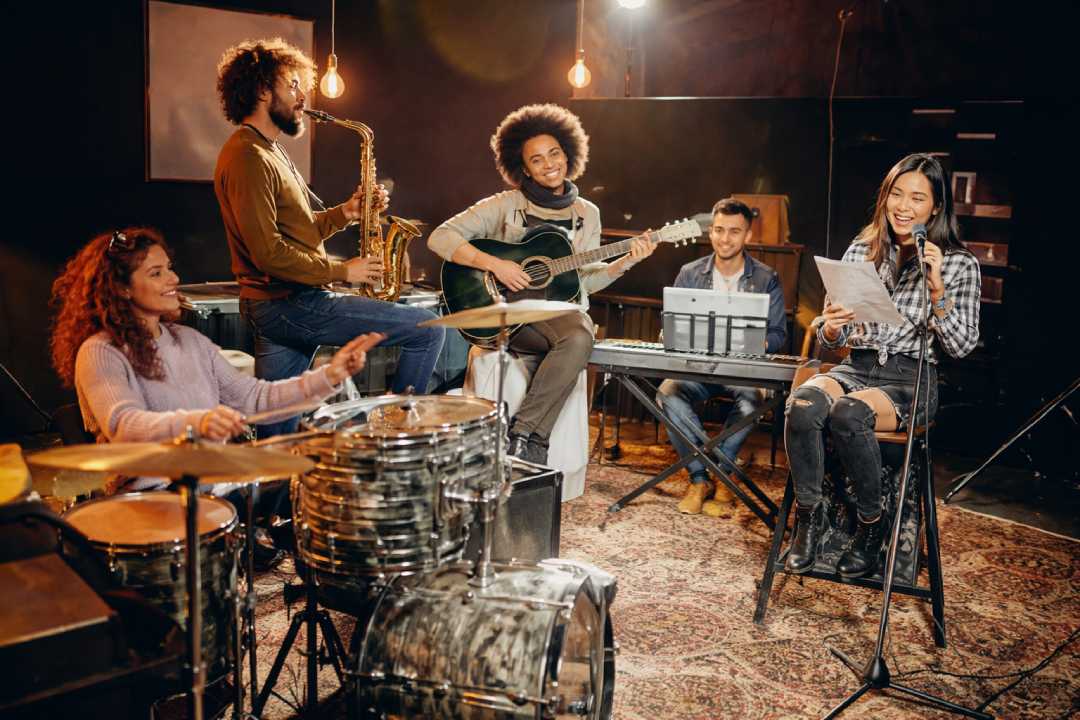
Round Rock Journal – Music as a form of personal expression and development offers a unique and profound way for individuals to connect with their emotions and experiences. Through playing instruments, composing, or simply listening, music becomes a powerful tool to convey personal stories, ideas, and feelings. It not only provides a means of self-expression but also plays a significant role in personal growth. By engaging with music, individuals can explore their creativity, gain emotional insight, and develop important life skills, making music an essential part of the journey toward self-discovery and personal development.
“Read Also: Eileen Gu Captivates Paris in an Ethereal Gown Inspired by Art and Flight“
The Emotional Power of Music
Music has a unique way of reflecting and amplifying our emotions. When playing an instrument or even listening to a song, we often feel a deep connection to the music. This emotional bond can lead to self-expression, where individuals communicate feelings that may be difficult to articulate through words. Through music, people can express joy, sorrow, anger, and everything in between, making it a valuable tool for personal reflection and emotional release.
Music as a Therapeutic Outlet
For many, music is a form of therapy. It provides an emotional release and a means of coping with stress, anxiety, or difficult situations. Playing music has been shown to reduce stress levels, lower heart rates, and improve overall mental health. The process of focusing on the music itself can serve as a form of mindfulness, allowing individuals to disconnect from their worries and immerse themselves in the present moment.
Self-Discovery Through Musical Expression
Engaging with music, especially creating or improvising music, is an incredible way to discover more about oneself. Whether learning to play an instrument or composing a song, music helps individuals explore their creative potential. It pushes people to challenge their limits, develop discipline, and improve patience. These experiences lead to greater self-awareness and a sense of accomplishment.
Building Confidence and Self-Esteem
The process of learning music, mastering an instrument, or performing for an audience can significantly boost one’s confidence. Every milestone—whether it’s learning a new chord or completing a full piece—contributes to a sense of achievement. For many, music provides a safe space to take risks, try new things, and overcome challenges. This journey of growth helps to build resilience and strengthens self-esteem.
Developing Skills Through Music
Playing an instrument offers a multitude of cognitive benefits. It improves memory, attention, and even problem-solving skills. The discipline required to practice an instrument regularly encourages focus and time management, skills that can be applied to other areas of life. Music also helps individuals develop better hand-eye coordination, and the complex rhythms and patterns in music teach perseverance and attention to detail.
“Read Also: How Gen Z and Millennials Are Embracing Personal Growth“
Music and Emotional Intelligence
Engaging with music on a deep level helps individuals develop emotional intelligence. By interpreting different musical elements—such as tone, rhythm, and melody—listeners and performers alike learn to recognize and understand various emotions. This ability to empathize and connect with one’s own emotions can translate into improved interpersonal relationships, making music a valuable tool for social and emotional development.
The Role of Music in Personal Growth
Music, when embraced as a form of personal expression, provides an avenue for individuals to grow. It helps people articulate their feelings, reflect on experiences, and gain insight into their emotional landscapes. As a result, music fosters personal growth by allowing individuals to understand their emotions and desires more clearly. It encourages introspection, helping individuals align their passions with their values and aspirations.
Building a Lifelong Connection
Music isn’t just a temporary hobby; it can become a lifelong companion. People often continue to play, listen to, and engage with music throughout their lives, with each phase of life offering new perspectives and opportunities for growth. Whether it’s a song that evokes nostalgia, an instrument that’s played to unwind, or a new genre that sparks curiosity, music remains an enduring part of personal development.
By engaging with music, whether through playing instruments, creating music, or simply appreciating it, we open ourselves to a world of personal expression and growth. Music allows us to explore our emotions, build confidence, and develop essential life skills that contribute to our overall well-being. As a form of self-expression, music remains one of the most powerful and transformative tools for personal development.