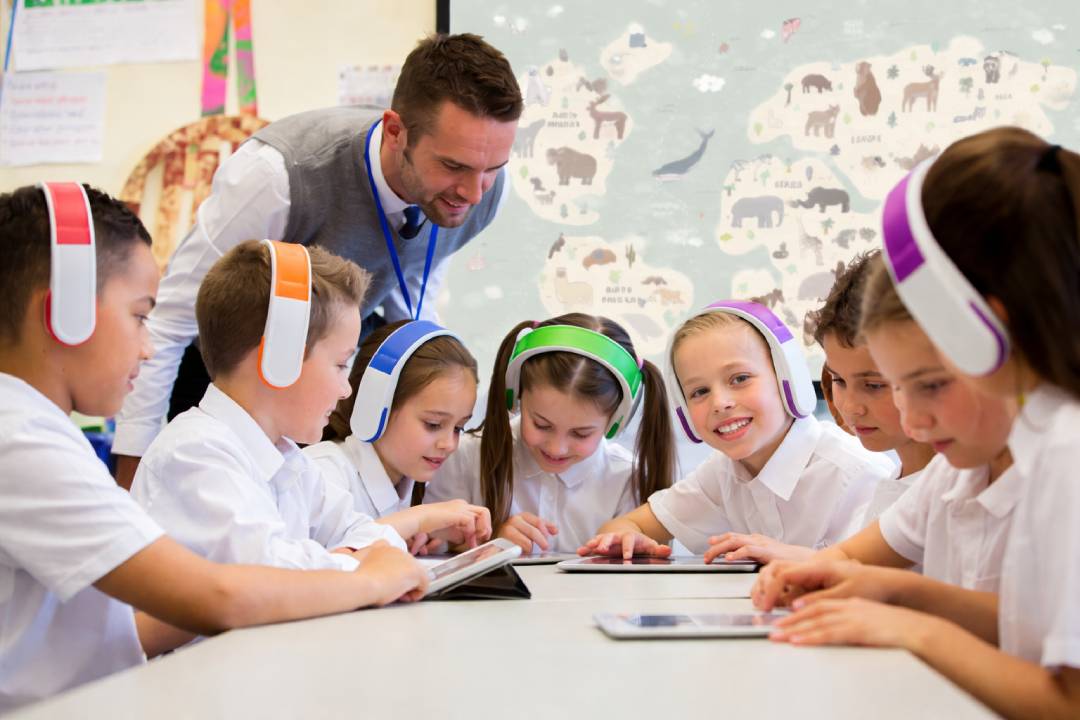
Round Rock Journal – gamification in education Making Learning Fun and Engaging, has gained significant attention as an innovative teaching method. By integrating game mechanics and principles into the learning process, educators are transforming traditional classrooms into interactive and engaging environments. This article explores how gamification in education is revolutionizing the way students learn and why it’s a powerful tool to increase engagement and motivation.
“Read Also: Why Do People Stay in Contact with Their Exes Afte“
What is Gamification in Education?
Gamification in education refers to the use of game design elements, such as point systems, badges, and leaderboards, to encourage student participation and motivation. Instead of focusing solely on traditional exams or assignments, educators implement game-like activities that make learning more enjoyable and interactive. The idea is to tap into students’ love for games, making learning feel more like a fun challenge than a boring task.
The Benefits of Gamification in Education
One of the primary benefits of gamification in education is that it fosters a sense of achievement. When students receive points, rewards, or recognition for their efforts, it boosts their motivation. Additionally, gamified learning environments often promote healthy competition, teamwork, and problem-solving skills. As students work through challenges, they gain a sense of accomplishment, which can improve both their academic performance and self-confidence.
Gamification’s Impact on Student Engagement
Gamification in education is particularly effective in enhancing student engagement. Research shows that students are more likely to participate in lessons when they are presented in a game-like format. For example, using quizzes with instant feedback or virtual simulations allows students to actively engage in their learning process. This interactive approach helps keep students interested and invested in their studies, leading to better retention of information.
Real-World Examples of Gamification
Many educational institutions are already incorporating gamification in education. For instance, platforms like Kahoot! and Duolingo use game mechanics to make learning fun and interactive. These platforms encourage students to complete lessons by offering rewards, challenges, and competitive elements. Such platforms provide instant feedback and a sense of progression, making the learning experience more enjoyable and motivating for students of all ages.
Personalizing the Learning Experience
Another advantage of gamification in education is its ability to personalize the learning experience. Game-based learning allows for tailored instruction that adapts to the individual needs of students. With gamified systems, teachers can assign tasks that match a student’s learning level, ensuring that the material is neither too challenging nor too easy. This individualized approach helps all students progress at their own pace and ensures they are challenged appropriately.
Encouraging Collaboration and Teamwork
While gamification in education can be a solitary activity, it also fosters teamwork and collaboration. Many games require students to work together to achieve a goal, which helps develop social and communication skills. Through collaborative challenges and group tasks, students learn how to cooperate and share ideas. This teamwork can be applied not only to academics but also to real-life situations, helping students develop skills that are valuable in the workplace.
“Read Also: Purpose and Self-Improvement: Creating a More Meaningful and Balanced Life“
Gamification and Problem-Solving Skills
One of the key elements of gamification in education is problem-solving. Many gamified learning environments present students with challenges that require critical thinking and creativity. By engaging in these tasks, students learn how to approach problems from different angles and find solutions. These problem-solving skills are invaluable, as they help students prepare for real-world situations where critical thinking is essential.
Increasing Student Motivation and Achievement
Motivation plays a significant role in a student’s academic success. Gamification in education helps increase motivation by providing rewards and recognition for completing tasks. When students see their progress through points, badges, or levels, they are more likely to continue striving toward their goals. Additionally, the fun and excitement of gamified activities make students more eager to participate, which ultimately leads to better academic performance.
The Future of Gamification in Education
As technology continues to evolve, the future of looks promising. Virtual reality (VR) and augmented reality (AR) are expected to play a significant role in gamified learning experiences, making them even more immersive. These advancements will provide students with interactive, hands-on learning opportunities, further enhancing engagement and understanding. The continuous integration of technology in education will ensure that gamification remains a powerful tool for fostering student success.
Gamification in education offers a creative and effective way to make learning more engaging and enjoyable. By incorporating game elements into the learning process, educators can motivate students, improve engagement, and enhance problem-solving skills. As technology advances, the potential for gamification in education will only continue to grow, making it a valuable tool in shaping the future of education.