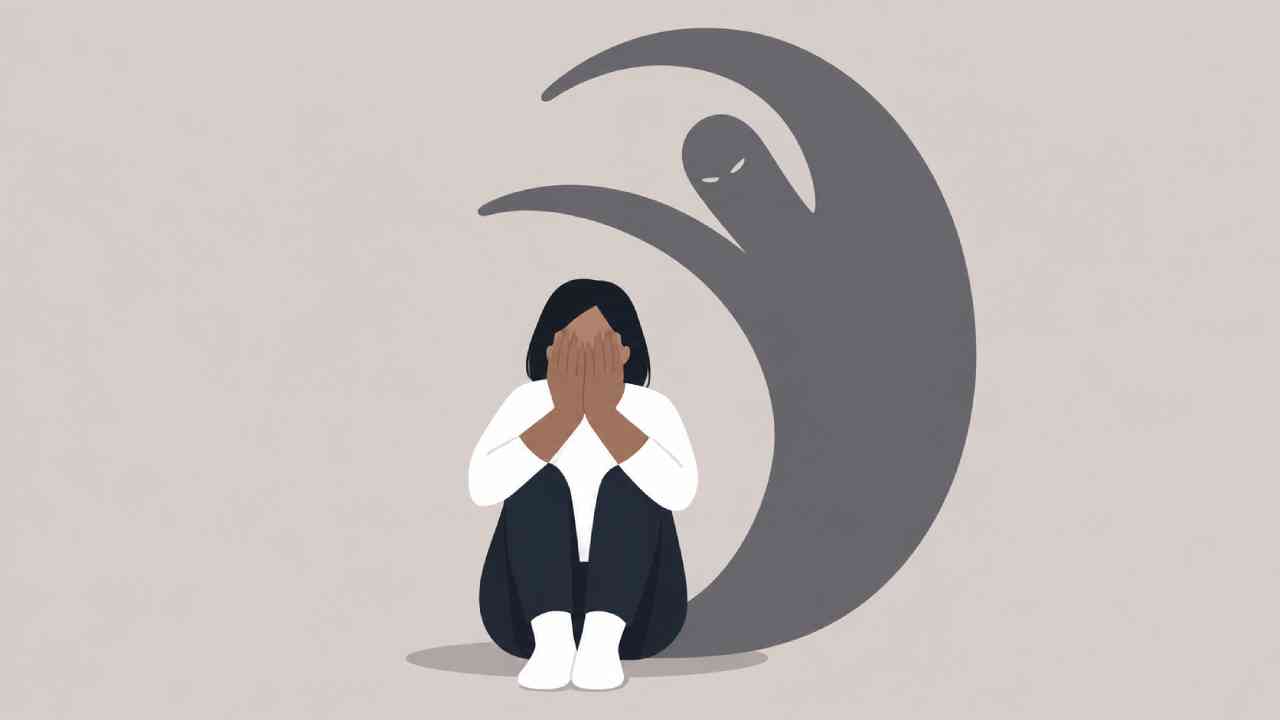
Round Rock Journal – Learning to face your mistakes is an important part of personal growth. A poor decision can hurt, especially when the consequences remain visible. However, one wrong choice does not define your entire character. Instead of thinking, “I am a failure,” focus on the specific action that went wrong. Perhaps you reacted too quickly, ignored useful advice, or failed to prepare. This approach creates space for honest reflection without turning disappointment into a personal label. Moreover, specific problems are easier to improve than negative beliefs about yourself. You can change a habit, strengthen a skill, or make a different decision next time. Therefore, begin with facts rather than harsh judgment. Ask what happened and what influenced your actions. From there, identify what you can learn. Your mistake becomes more useful when it guides your next step instead of defining who you are.
Read Also: Miranda Kerr Makes Stunning Paris Fashion Week Runway Comeback
Take Responsibility Without Living in Self-Blame
Responsibility helps you grow, while constant self-blame keeps you focused on the past. When your actions create a problem, acknowledge your role clearly. If another person was affected, offer a sincere apology when appropriate. You may also need to repair damage or change your behavior. However, responsibility should eventually lead toward action. Repeating the same criticism in your mind rarely improves the situation. For example, imagine missing an important deadline because you started too late. Calling yourself lazy offers little practical value. Instead, examine why you delayed the work. You might need a clearer schedule or smaller milestones. As a result, the experience becomes useful information for future planning. Accountability works best when it produces better behavior. Admit what happened, repair what you reasonably can, and create a better response for next time. Growth needs honesty, but it does not require endless punishment.
Separate Healthy Reflection From Endless Overthinking
Reflection and overthinking may feel similar, yet they produce very different results. Healthy reflection searches for useful information. It asks what happened, why it happened, and what could change next time. By contrast, overthinking often repeats the same event without producing a new answer. You might replay a conversation or imagine several alternative outcomes. After a while, those thoughts stop helping. Give your reflection a clear purpose instead. Writing the situation in a journal can make patterns easier to recognize. Then, identify one lesson and one practical action. Once you have useful answers, allow yourself to move forward. Furthermore, remember that understanding a mistake does not require analyzing every possible detail. Sometimes the lesson is surprisingly simple. Perhaps you need more preparation, clearer communication, or extra time before making decisions. Reflection should create direction. If your thoughts only repeat the past, shift your attention toward what you can influence today.
Judge Past Decisions With the Information You Had
Looking backward makes many mistakes appear easier to avoid. Today, you already know how the story ended. At the time, however, your knowledge may have been limited. Your experience and circumstances may also have been different. This perspective does not remove responsibility. Rather, it helps you evaluate past choices more accurately. Ask yourself what information was available when you made the decision. Next, consider what you know now that you did not understand then. Maybe you ignored an obvious warning. In that case, the lesson could involve listening more carefully. Alternatively, you may have made a reasonable choice that produced an unexpected result. Those situations require different responses. When you face your mistakes, context matters. Avoid judging your former self only with today’s knowledge. Instead, use your current understanding to improve future decisions. Experience becomes valuable when it changes how you respond to similar situations later.
Turn Regret Into a Clear and Practical Lesson
A vague promise to “do better” sounds positive, but it rarely changes behavior. Specific lessons are more useful. If impulsive spending caused problems, consider waiting before making unnecessary purchases. Likewise, if poor planning caused a missed deadline, begin future projects earlier. A difficult conversation might teach you to pause before responding when emotions are high. In each case, regret becomes a practical rule rather than a repeated memory. This process can also reveal patterns in your behavior. Perhaps the same type of problem appears when you feel rushed or tired. Recognizing that pattern gives you something concrete to address. Nevertheless, avoid creating extreme rules after one disappointing experience. The goal is not to eliminate every risk from life. Instead, build simple safeguards around situations that regularly cause trouble. A useful lesson should make future choices clearer. When regret produces a better system, the experience begins to support your growth.
Repair What You Can and Accept What You Cannot
Some mistakes can be corrected, while others cannot be completely undone. Knowing the difference helps you use your energy wisely. If your actions hurt someone, you may be able to apologize and rebuild trust over time. Meanwhile, a missed opportunity may never return in exactly the same form. Replaying that moment will not bring it back. Focus first on what remains within your control. Make a reasonable repair when possible, and change the behavior that caused the problem. Afterward, recognize the limits of what you can influence. Acceptance does not mean pretending that nothing happened. Instead, it means understanding that the past cannot be edited forever. Your attention can then return to the present. Perhaps another opportunity will appear, or a similar situation will give you a chance to respond differently. The past remains part of your story, but it does not have to control the next chapter.
Read Also: Motivation for Introverts Who Don’t Believe in Hustle Culture
Use Regret as Information About What Matters
Regret often reveals something important about your priorities. For instance, regretting neglected friendships may show how much connection matters to you. Feeling disappointed about a missed opportunity might reveal an ambition you have ignored. Therefore, examine what your regret is trying to highlight. The answer can provide useful direction. Rather than treating discomfort as permanent punishment, use it as information for your current choices. You might reconnect with someone, protect more personal time, or begin a project you have delayed. However, not every regret demands a dramatic change. Sometimes it simply shows that you would choose differently today. That realization still reflects growth. Your values often become clearer after an uncomfortable experience. Consequently, regret can serve a purpose when it leads to greater awareness. Listen to the lesson, decide whether action is needed, and allow that knowledge to influence how you live now.
Build Better Decisions From What You Have Learned
Real growth becomes visible through future behavior. After identifying a lesson, consider how it can shape your next decision. Maybe you need to ask more questions before making a commitment. In another situation, you might need extra time to think. Small changes can prevent familiar problems from repeating. Additionally, creating simple personal rules can reduce pressure when similar situations appear. You already know how you want to respond. This approach turns experience into a practical decision-making tool. Still, no system can guarantee perfect choices. Life contains uncertainty, and even thoughtful decisions sometimes produce disappointing outcomes. The goal is to become more aware rather than flawless. Notice your patterns, learn from useful feedback, and adjust when necessary. Over time, better decisions often come from lessons that once felt uncomfortable. What matters most is whether yesterday’s experience improves the way you approach tomorrow.
Keep Moving Forward With a More Honest Perspective
You do not need a perfect history to build a meaningful future. Personal development often begins after something does not go as planned. Learning to face your mistakes helps you respond with greater awareness instead of remaining trapped in regret. Start by acknowledging what happened without turning it into your identity. Take responsibility where necessary and repair what you reasonably can. After that, keep the lesson and release the endless replay. New mistakes will still happen because growth does not create perfect judgment. Yet your response can become wiser each time. You may recognize problems earlier, communicate more clearly, or make decisions with greater patience. Most importantly, progress comes from using what you know today. The past can provide valuable lessons without controlling your direction. When you allow experience to inform rather than imprison you, even difficult moments can become part of meaningful personal growth.