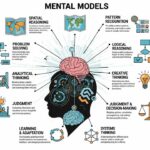
Round Rock Journal – Self-leadership education is the cornerstone of becoming an effective leader. Before you can lead others, you must first learn how to lead yourself. This concept involves mastering personal discipline, emotional regulation, time management, and goal setting. Self-leadership is the foundation upon which all other leadership qualities are built. It’s a lifelong journey of self-discovery and growth, designed to enhance your ability to manage both your life and career. As individuals develop strong self-leadership skills, they can positively impact their organizations, families, and communities. Leadership starts from within, and self-leadership education is the first step toward creating effective leaders.
“Read Also: Run It Back: South Carolina, Texas, UConn, and UCLA Set Up Repeat Final Four“
Why Self-Leadership Education Matters
Self-leadership education is essential because it helps individuals develop the inner qualities needed for success. When you are in control of your emotions, thoughts, and actions, you are more likely to make sound decisions and lead others effectively. This education also helps people become more accountable for their actions and fosters a sense of responsibility for their lives and the people around them. Self-leadership builds the confidence to make decisions that are in alignment with your values, helping to shape your leadership style. The ability to lead yourself effectively ultimately leads to being able to guide others toward success as well.
Key Principles of Self-Leadership
Self-leadership education teaches key principles such as self-awareness, discipline, and resilience. Self-awareness allows you to understand your strengths and weaknesses, helping you make decisions that align with your values. Discipline is about maintaining focus and working consistently toward your goals. Resilience enables you to recover from setbacks and stay motivated despite challenges. These principles help individuals achieve their personal and professional goals. Moreover, self-leadership encourages constant learning and adaptation, allowing people to grow in their roles as leaders.
Setting and Achieving Personal Goals
One of the cornerstones of self-leadership is goal setting. Self-leadership education teaches you how to set clear, achievable goals and stay focused on them. By breaking down long-term goals into smaller, manageable steps, individuals can build momentum and maintain motivation. It’s essential to track progress and adjust plans as necessary. Successful self-leaders are proactive about their goals, adjusting their approach when needed while maintaining focus on their long-term vision. The ability to set and achieve goals creates a sense of purpose and accomplishment, which is vital for effective leadership.
Time Management and Self-Discipline
Effective time management is another important aspect of self-leadership. Managing your time well enables you to prioritize tasks, meet deadlines, and stay productive. Self-leadership education helps individuals understand the importance of scheduling their time wisely and eliminating distractions. Self-discipline plays a significant role in time management. By developing the habit of staying focused on essential tasks, you can achieve more with less effort. Time management and self-discipline allow you to manage your work-life balance and ensure that you are not overwhelmed by responsibilities.
Emotional Intelligence and Self-Leadership
Emotional intelligence is crucial in self-leadership education. It involves understanding and managing your emotions, as well as recognizing and influencing the emotions of others. Leaders with high emotional intelligence are better at handling stress, building relationships, and making empathetic decisions. Emotional intelligence helps self-leaders communicate effectively and create a positive environment in their teams. By understanding how emotions influence behavior, you can lead with greater empathy and insight, making you a more effective leader. Self-leadership education teaches how to develop and harness emotional intelligence for better decision-making.
“Read Also: Emotional Education A Simple Way to Build Emotional Literacy from an Early Age“
Resilience and Overcoming Challenges
Resilience is a key component of self-leadership, and it plays a critical role in overcoming life’s inevitable challenges. Through self-leadership education, individuals learn how to bounce back from failures and disappointments. Instead of being discouraged by setbacks, resilient self-leaders view challenges as opportunities for growth. They have the ability to stay motivated, adapt to changes, and remain focused on their goals. Developing resilience helps leaders maintain mental and emotional strength in the face of adversity, which is essential for long-term success.
The Impact of Self-Leadership on Others
Self-leadership not only enhances an individual’s personal growth but also positively influences others. When you lead yourself effectively, you set an example for those around you. Your ability to manage your emotions, set goals, and stay disciplined encourages others to do the same. People tend to follow leaders who are authentic and consistent. By demonstrating self-leadership, you inspire others to take charge of their lives and improve their leadership skills. This ripple effect can lead to stronger, more effective teams and organizations.
Embrace the Journey of Self-Leadership
Self-leadership education is the first step toward becoming an influential and effective leader. It empowers individuals to take control of their lives, make informed decisions, and stay focused on their goals. With the right tools and mindset, anyone can develop the skills needed for self-leadership. This journey of self-discovery and improvement not only helps you become a better leader but also enriches your life. By embracing self-leadership, you are laying the foundation for both personal and professional success.