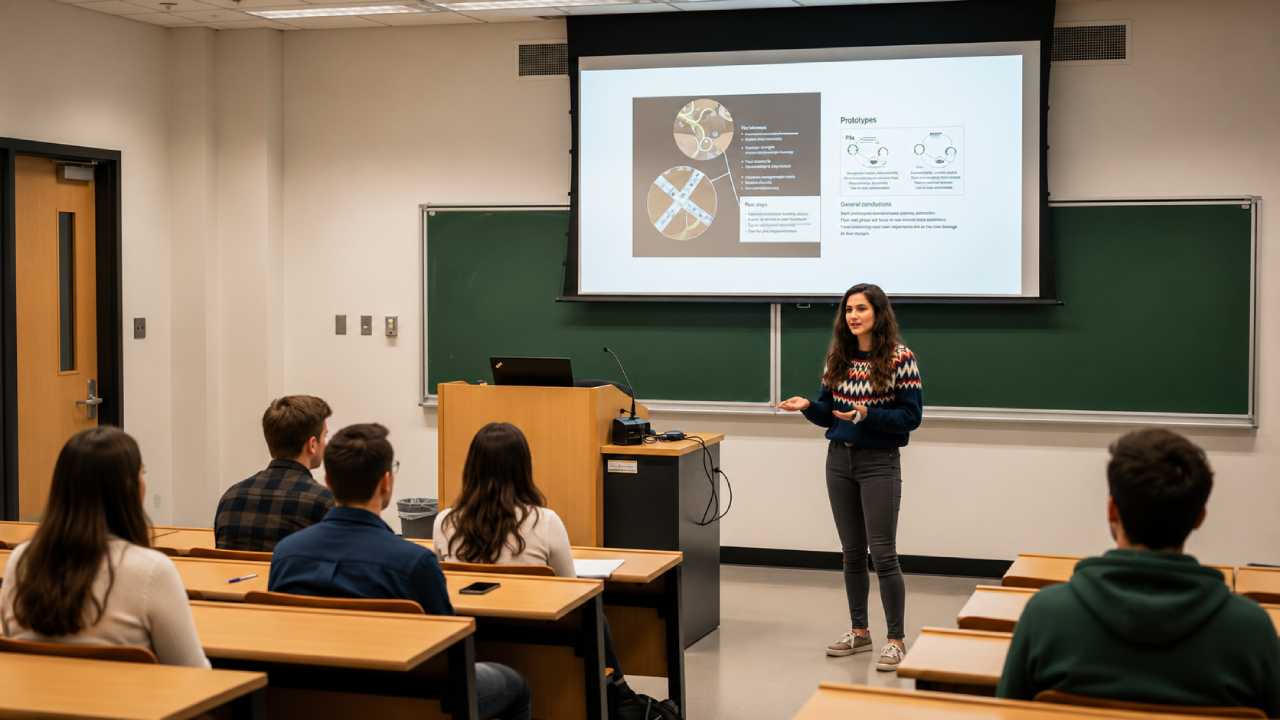
Round Rock Journal – Understanding How to Build Confidence starts with recognizing that nervousness is completely normal. Many students experience anxiety before speaking in front of classmates. In fact, even experienced speakers sometimes feel nervous before presenting. The fear often comes from worrying about making mistakes or being judged by others. As a result, students may experience shaky hands, a racing heartbeat, or difficulty concentrating. However, these reactions do not mean someone lacks ability. Instead, they show that the brain is responding to a challenging situation. Once students understand this, they often become less afraid of their nervous feelings. Rather than fighting anxiety, they can learn to manage it. Consequently, presentations become opportunities for growth instead of situations to avoid. This shift in perspective is often the first step toward building genuine confidence in the classroom.
Read Also: Astra Sells 38,768 Vehicles in May 2026, Strengthens Its Grip on Indonesia’s Auto Market
Preparation Creates a Strong Foundation for Confidence
One of the most effective ways to build confidence is through preparation. When students understand their topic well, they naturally feel more comfortable explaining it to others. Therefore, it is important to focus on understanding the material instead of memorizing every sentence. Memorization can create additional stress because forgetting one line may disrupt the entire presentation. On the other hand, understanding key points allows speakers to communicate more naturally. Furthermore, good preparation includes organizing ideas into a clear structure. Students who know how their presentation begins, develops, and concludes tend to speak more smoothly. As a result, they can focus on connecting with their audience rather than worrying about what to say next. In many cases, confidence grows long before the presentation begins because preparation reduces uncertainty.
The Importance of Practicing Before Presentation Day
Practice plays a significant role in How to Build Confidence for classroom presentations. Although preparation provides knowledge, practice develops familiarity and comfort. Students who rehearse several times often feel less nervous because the presentation becomes more predictable. For example, practicing in front of a mirror can help improve facial expressions and body language. Likewise, presenting to family members or friends provides valuable feedback. Through repetition, students can identify areas that need improvement and adjust accordingly. Additionally, practice helps improve timing and speech clarity. Many students discover that their confidence increases after each rehearsal session. Consequently, what once felt intimidating begins to feel manageable. Even short daily practice sessions can create noticeable improvements. Therefore, consistent rehearsal remains one of the simplest and most reliable confidence-building strategies.
Changing the Way You View Your Audience
A common mistake among students is assuming that everyone in the classroom is focused on their mistakes. In reality, most classmates are paying attention to the information being shared. Therefore, changing how you view your audience can reduce unnecessary pressure. Instead of imagining critics, think of classmates as people who want to learn something useful. This mindset creates a more relaxed atmosphere and helps speakers feel more comfortable. Furthermore, students often discover that audiences are generally supportive rather than judgmental. Everyone understands that presenting can be challenging. As a result, most people respect those who have the courage to stand in front of the class and speak. By viewing presentations as conversations rather than performances, students can communicate more naturally and confidently.
How Body Language Influences Self-Confidence
Body language affects both how others see us and how we see ourselves. For this reason, it plays an important role in building presentation confidence. Standing upright, maintaining eye contact, and using natural hand gestures can make a speaker appear more confident. Interestingly, positive body language can also influence internal feelings. When students adopt confident physical habits, they often begin to feel more self-assured. In contrast, looking down constantly or crossing arms may increase feelings of nervousness. Additionally, speaking clearly and at a steady pace helps create a stronger presence in the classroom. Small adjustments in posture and movement can make a significant difference. Therefore, body language should be practiced alongside presentation content to create a more effective overall performance.
Read Also: How to Know if You Really Want to Resign or Are Just Tired
Learning to Accept Mistakes as Part of Growth
Many students believe that confidence means delivering a perfect presentation. However, true confidence comes from continuing even when mistakes happen. Every speaker occasionally forgets a point, mispronounces a word, or loses their train of thought. Nevertheless, these moments rarely determine the overall success of a presentation. Audiences often remember the message more than minor errors. Therefore, students should focus on recovering calmly rather than striving for perfection. Accepting mistakes reduces pressure and encourages resilience. Furthermore, each presentation provides valuable experience that contributes to future improvement. Over time, students who embrace mistakes as learning opportunities often become more confident than those who fear them. Confidence grows through experience, not perfection.
Building Confidence Through Small Speaking Opportunities
Confidence develops gradually through repeated exposure. Instead of waiting for a major presentation, students can strengthen their speaking skills through smaller opportunities. For example, answering questions in class, participating in discussions, or sharing opinions during group activities can build communication confidence. These experiences help students become more comfortable speaking in front of others. Additionally, small successes create positive momentum. As confidence grows in everyday situations, larger presentations begin to feel less intimidating. This gradual approach is especially helpful for students who struggle with severe nervousness. By taking small steps consistently, they can make steady progress without feeling overwhelmed. Consequently, confidence becomes a habit rather than a temporary feeling.
How to Build Confidence and Become a Better Presenter
Learning How to Build Confidence is a journey that requires patience, practice, and a positive mindset. While nervousness may never disappear completely, it does not have to control performance. Students who prepare thoroughly, practice regularly, and embrace mistakes often see significant improvements over time. Moreover, confidence grows with every presentation experience. Each opportunity to speak in front of a class strengthens communication skills and personal growth. In today’s world, strong presentation abilities are valuable both inside and outside the classroom. Therefore, investing time in developing confidence can provide long-term benefits. With dedication and consistent effort, any student can become a more effective and confident presenter. The key is to start, keep practicing, and trust the learning process.