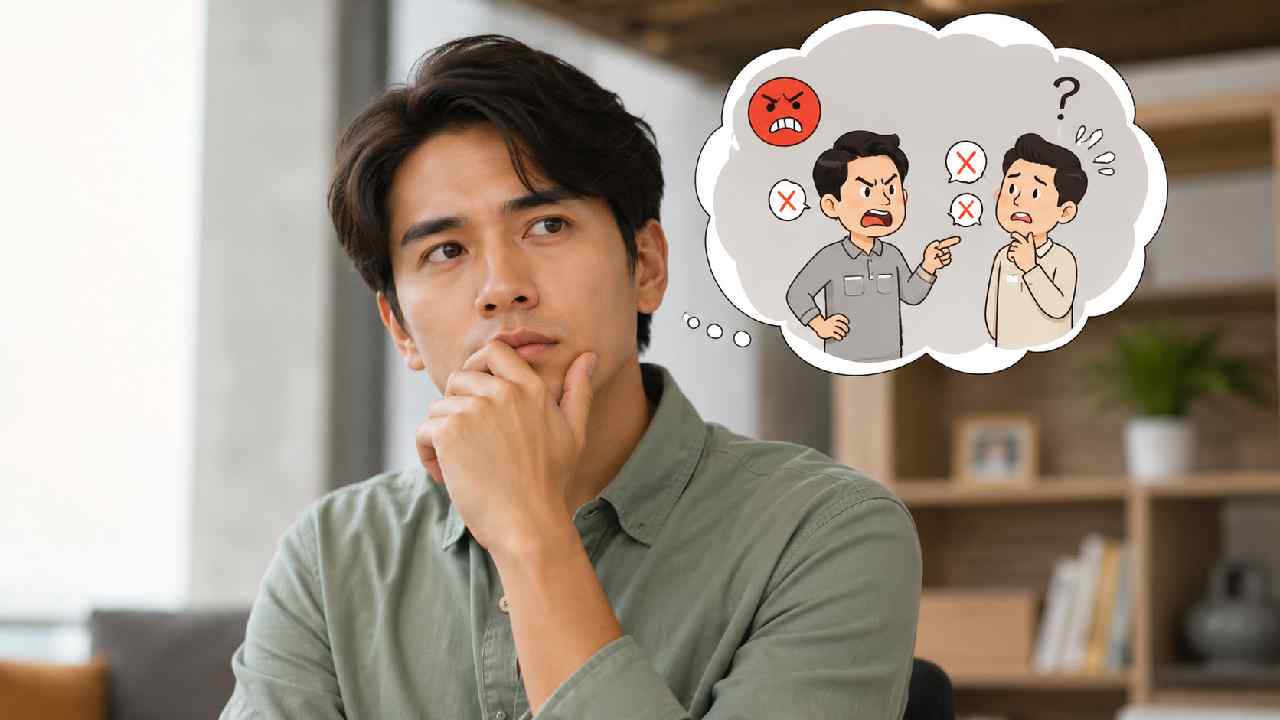
Round Rock Journal – Deal with Difficult situations are something almost everyone experiences. Whether at work, at home, or in social settings, challenging personalities are part of everyday life. Therefore, learning how to respond calmly is far more valuable than trying to avoid conflict altogether. People who remain composed often make better decisions because they think before reacting. Moreover, staying calm protects both mental well-being and professional relationships. Difficult individuals may criticize, interrupt, or disagree more often than others. However, your response usually determines how the conversation ends. Instead of viewing every disagreement as a battle, consider it an opportunity to strengthen communication skills. Over time, these experiences build emotional resilience and prepare you for future challenges in both personal and professional environments.
Read Also: 6 New Smartphones Launching in August 2026 You Should Keep an Eye On
Understand the Behavior Before Reacting Emotionally
One of the biggest mistakes people make is assuming difficult behavior is always personal. In reality, stress, insecurity, fear, or frustration often influence how someone behaves. Consequently, understanding possible motivations helps reduce emotional reactions. Rather than immediately becoming defensive, take a moment to observe the situation objectively. Ask yourself what might be causing the other person’s behavior. Although this approach does not excuse disrespectful actions, it encourages empathy without sacrificing healthy boundaries. Furthermore, understanding emotional triggers allows you to choose thoughtful responses instead of impulsive reactions. This mindset creates space for productive conversations instead of unnecessary conflict.
Stay Calm by Managing Your Own Emotions First
Remaining calm starts with emotional self-control. Before responding, pause for a few seconds and take a slow breath. This simple habit gives your mind enough time to process the situation clearly. As a result, you avoid saying something you may later regret. Additionally, maintaining a relaxed tone of voice often encourages the other person to lower their emotional intensity. Calm behavior is surprisingly contagious because people naturally mirror the emotions around them. Even during tense discussions, confidence grows when you focus on controlling your own reactions instead of trying to control someone else. Emotional discipline is not about hiding feelings. Instead, it means expressing them respectfully and constructively.
Listen Carefully Before Sharing Your Perspective
Active listening is one of the most underrated communication skills. Nevertheless, it often prevents misunderstandings before they become larger conflicts. Give the other person enough time to explain their thoughts without interrupting. Meanwhile, pay attention to both their words and their emotions. Once they finish speaking, summarize their main points to confirm your understanding. This technique demonstrates respect while reducing assumptions. Furthermore, people who feel heard are generally more willing to listen in return. Even when you disagree, acknowledging another person’s perspective creates a more cooperative atmosphere. Effective communication begins with understanding rather than immediate persuasion.
Set Healthy Boundaries Without Creating More Conflict
Kindness should never require accepting disrespectful behavior. Therefore, establishing healthy boundaries is an important part of dealing with difficult people. Calmly explain what behavior you consider acceptable and what crosses the line. At the same time, avoid aggressive language because it often increases resistance. Instead, use clear and respectful statements that focus on your expectations rather than personal attacks. Healthy boundaries protect emotional well-being while encouraging mutual respect. They also reduce confusion because everyone understands what is expected moving forward. In many situations, firm but respectful communication prevents recurring problems before they become long-term conflicts.
Read Also: Deserts That Were Once Oceans: The Ancient Story Hidden Beneath the Sand
Focus on Solutions Instead of Winning Arguments
Many disagreements become exhausting because both sides try to prove they are right. However, successful communication usually prioritizes solving the problem instead of winning the debate. Shift the conversation toward practical solutions that benefit everyone involved. For example, ask questions that encourage collaboration instead of confrontation. This approach changes the atmosphere from competition to teamwork. Moreover, solution-focused discussions reduce emotional tension because they emphasize progress rather than blame. People are often more willing to cooperate when they feel included in the decision-making process. Consequently, productive conversations become much easier to achieve.
Build Emotional Intelligence Through Daily Practice
Emotional intelligence develops gradually through consistent practice. Every difficult conversation becomes an opportunity to improve self-awareness, empathy, and communication skills. Reflect on your reactions after challenging situations and identify areas for improvement. Additionally, practice recognizing emotional patterns before they influence your decisions. Reading, journaling, and seeking constructive feedback can also strengthen emotional intelligence over time. Unlike technical skills, emotional awareness benefits every aspect of life. It improves leadership, friendships, family relationships, and workplace collaboration. As these abilities grow, dealing with difficult people becomes significantly less stressful.
Turning Difficult Encounters into Opportunities for Personal Growth
Every challenging interaction offers valuable lessons about patience, communication, and self-control. Although difficult people may test your limits, they also reveal opportunities for personal development. Instead of viewing these encounters as obstacles, consider them practical exercises in emotional maturity. Over time, confidence grows because you learn to respond thoughtfully rather than emotionally. Furthermore, calm communication earns respect even when opinions differ. The goal is not to change every difficult person you meet. Instead, it is to strengthen your own character and decision-making abilities. Ultimately, mastering the ability to deal with difficult people creates healthier relationships, greater resilience, and lasting personal growth that extends far beyond any single conversation.